Free shipping for orders over 499 riyal



Quick answer: Engine oil turning black after 1,000 km or less is normal in most cases. The detergent additives in the oil pick up carbon and combustion by-products and keep them suspended, and the new oil also mixes with old oil left inside the engine. Colour alone does not tell you whether the oil is still good; what matters is viscosity, smell, texture and oil level, and sticking to the change interval.
One of the most common worries for drivers is seeing fresh oil change from clear gold to dark brown or black after a short distance. Many assume the oil is fake or that the engine has a serious problem, but the truth is usually the exact opposite.
Why does oil darken so quickly? Four normal reasons
1) Detergent and dispersant additives are doing their job
Modern engine oils, especially synthetics, contain a package of detergents and dispersants:
- Detergents: break down carbon deposits and varnish stuck to cylinder walls and pistons.
- Dispersants: stop these fine particles from clumping into sludge and keep them suspended in the oil, so the filter traps part of them and the rest leaves with the next oil change.
In other words: oil that darkens is usually cleaning your engine and carrying the dirt away instead of letting it settle inside.
2) Old oil left inside the engine
When oil is drained from the sump plug, not all of it comes out; some of it (up to around 10% depending on the engine) stays trapped in the fine oil passages, oil cooler, cylinder head cavities and oil pump. As soon as the engine runs, the new oil mixes with these leftovers and darkens within the first few hundred kilometres.
3) Combustion by-products and soot (Blow-by & Soot)
A small amount of combustion gas and fine carbon slips past the piston rings into the sump, which is normal in every engine. It is more noticeable in direct-injection (GDI) and turbocharged engines, while diesel engines turn their oil black almost from the first drive because of soot, which is entirely expected. To learn more about carbon in direct-injection engines, see the hidden danger in GDI engines and carbon buildup.
4) Harsh driving conditions and summer heat
Traffic, frequent stop-and-go and Saudi summer heat raise oil temperature, speed up oxidation and change its colour. This does not mean it instantly loses its lubricating ability, but it is a good reason to follow the severe-service change interval.
Is oil colour a measure of its condition?
No. Colour alone is not an accurate measure of whether oil has reached the end of its life. What actually determines its condition:
- Viscosity: the oil's ability to form a protective film between metal parts at high temperature.
- Total Base Number (TBN): the oil's ability to neutralise acids from combustion, which drops with use.
- Freedom from contaminants: such as fuel, coolant and dust.
So it is better to rely on the recommended distance and time rather than colour. You'll find intervals by oil type and driving conditions in How many kilometres does engine oil last?.
When is oil colour normal, and when does it signal a problem?
What you notice | Likely meaning | What to do |
Black or dark brown oil with a smooth texture | Normal: detergents carrying carbon | Nothing, keep to the change interval |
Diesel oil black a few days after a change | Normal because of soot | Use oil with the correct diesel approval |
Light milky brown or foamy colour | Coolant mixing with oil (possible head gasket or leak) | Get it checked immediately and avoid long drives |
Strong fuel smell and thin oil | Fuel dilution (injectors, rings or very short trips) | Have the engine checked and change oil early |
Sludgy texture or gritty particles between fingers | Sludge or metal particles | Inspection by a specialist |
Burnt smell and very thin viscosity | Overdue change or overheating | Change the oil and check the cooling system |
Constantly dropping oil level | Oil burning or leaking | Check for leaks, the PCV valve and piston rings |
And if the oil looks abnormal right from the first change, check where it came from; counterfeit oils are widespread. See the danger of fake oils and filters and how to spot them.
Tips to keep your engine clean
- Follow the maintenance schedule: change the oil and filter by the recommended distance or time, whichever comes first.
- Change the oil filter at every service: the filter traps carbon particles and dirt and prevents oil passages from clogging.
- Correct viscosity and approval: use the viscosity and API, ACEA or manufacturer approval listed in your owner's manual.
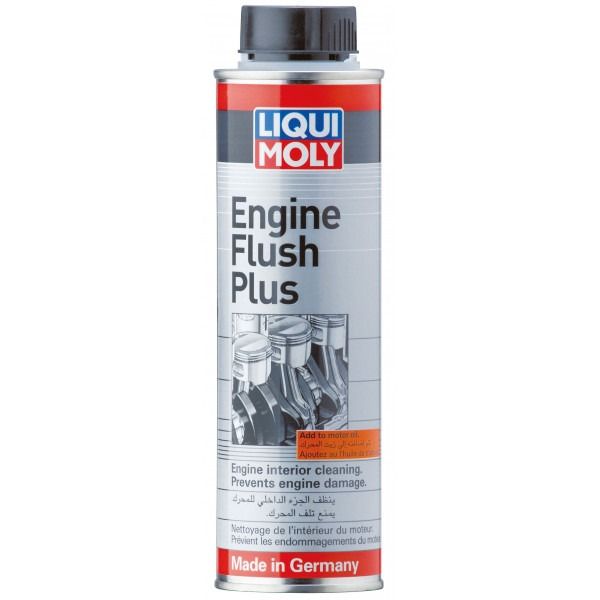
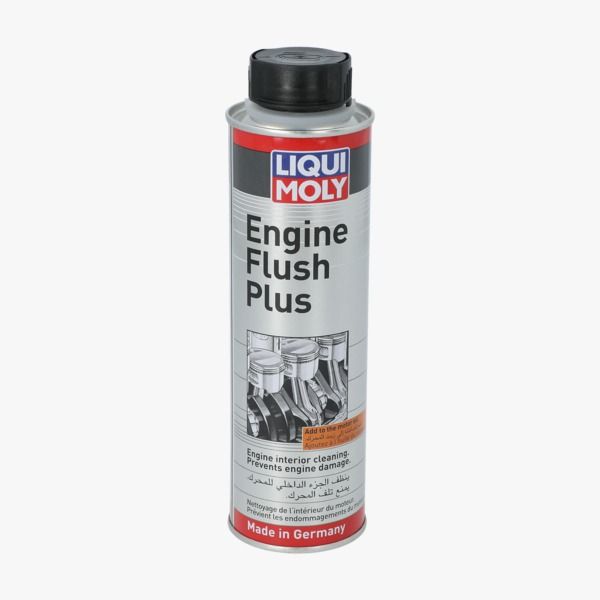
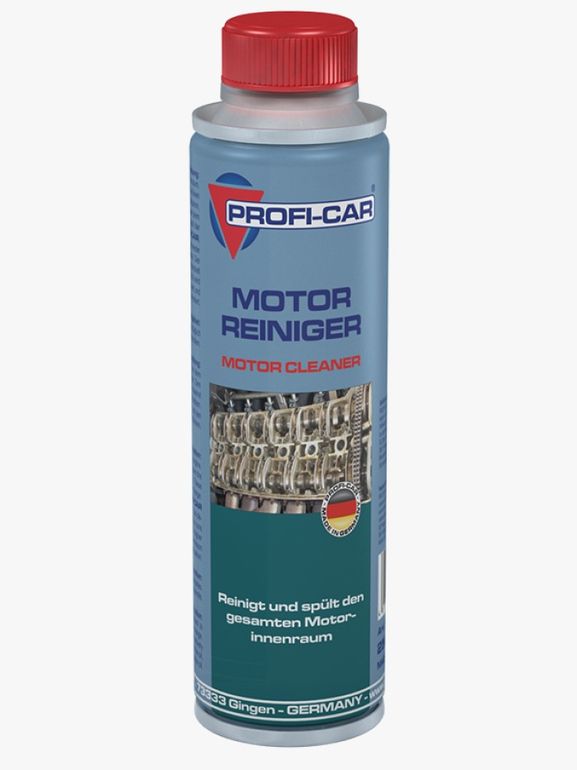
- Internal engine flush when needed: an engine flush is added to the old oil before draining and the engine is idled for the time stated on the can. It is useful for cars with an unknown service history, overdue oil changes, or visible deposits. An engine whose oil is changed regularly with good oil does not need it every time. Follow the product instructions and never drive the car with the flush in the oil.
- Check the oil level monthly: make sure it is between the Min and Max marks on the dipstick, with the engine cold and the car on level ground.
Recommended products from CarBoost
- LIQUI MOLY Engine Flush Plus
- PROFI-CAR Engine Flush
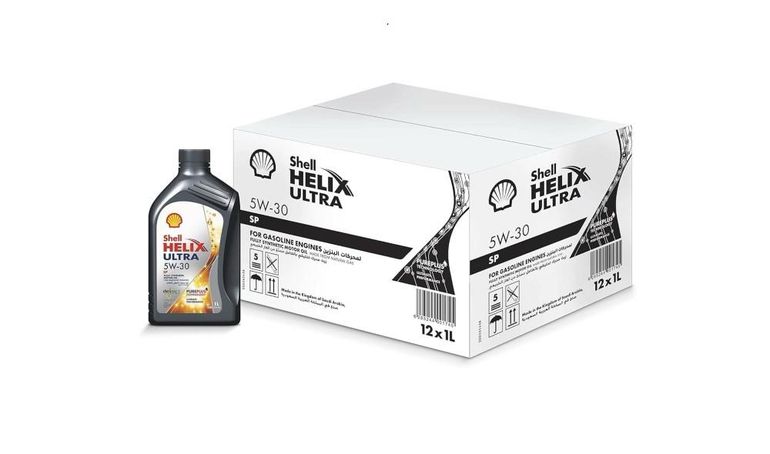
- Shell Helix 5W-30 SP fully synthetic oil
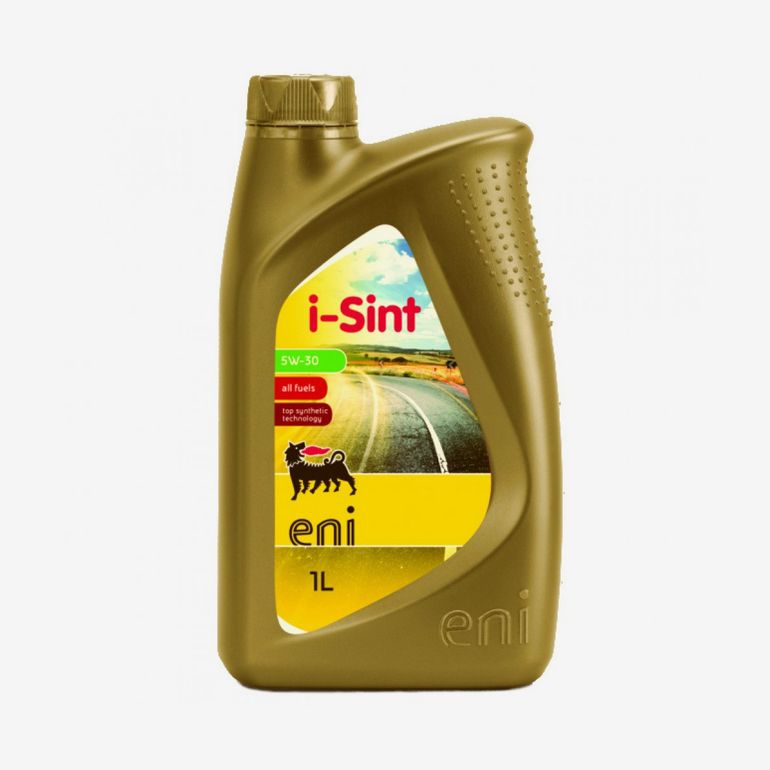
- ENI i-Sint MS 5W-30 fully synthetic oil
- Browse the engine oils category
- Browse the oil filters category
FAQ
Does black oil mean it must be changed?
No, colour alone is not a reason to change it. Change the oil by the recommended distance or time, or earlier if you notice a fuel smell, a sludgy texture or a milky colour.
Is oil that stays light in colour better?
Not necessarily; it may mean the engine is already clean, or that the oil has weak cleaning ability. What matters most is that it is genuine and has your car's approval.
Why does diesel engine oil turn black so fast?
Because diesel combustion produces more soot, and diesel oil is designed to keep that soot suspended, so quick darkening is normal.
📲 Share this article with anyone worried about their oil colour after the first thousand kilometres!
🔧 CarBoost at your service: Shop engine oils in our engine oils category, or book an oil change and engine check at the CarBoost service center.