Free shipping for orders over 499 riyal



Quick answer: A standard paper filter offers the best fine-dust filtration and is replaced periodically, while BMC and K&N performance filters are made of oiled cotton with lower airflow resistance and can be washed and reused for years. On an ordinary car, performance filters bring only a small improvement in response and a few horsepower, but they are more worthwhile on turbo engines and modified cars, or for anyone who wants a permanent filter and will clean it on schedule. In very dusty conditions, frequent inspection and cleaning matter most.
An engine needs enough clean air to burn fuel efficiently, and the air filter determines how much air gets in and how clean it is. That is why car owners keep asking: is the original paper filter enough, or do BMC and K&N performance filters make a real difference? In this guide we compare the three options honestly, debunk the most common myths and explain the correct cleaning method.
The standard (paper) filter: how it works and its limits
The filter fitted at the factory is usually made of paper (cellulose) fibres or a blend of cellulose and synthetic fibres.
- How it works: very fine pores trap dust and dirt in a dry medium.
- Advantages: very high filtration efficiency for fine dust (often above 99% in ISO 5011 tests), low price and easy replacement.
- Drawbacks: higher airflow resistance than cotton, cannot be washed, and is usually replaced roughly every 10,000 to 20,000 km, sooner in dusty conditions. Its resistance gradually increases as dust builds up.
Performance filters: the technology and how they work
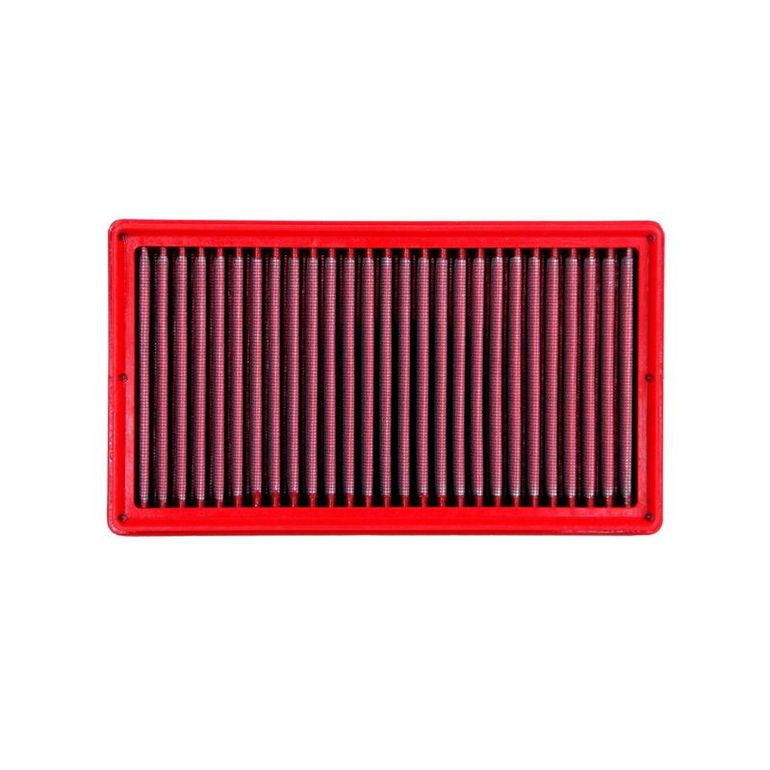
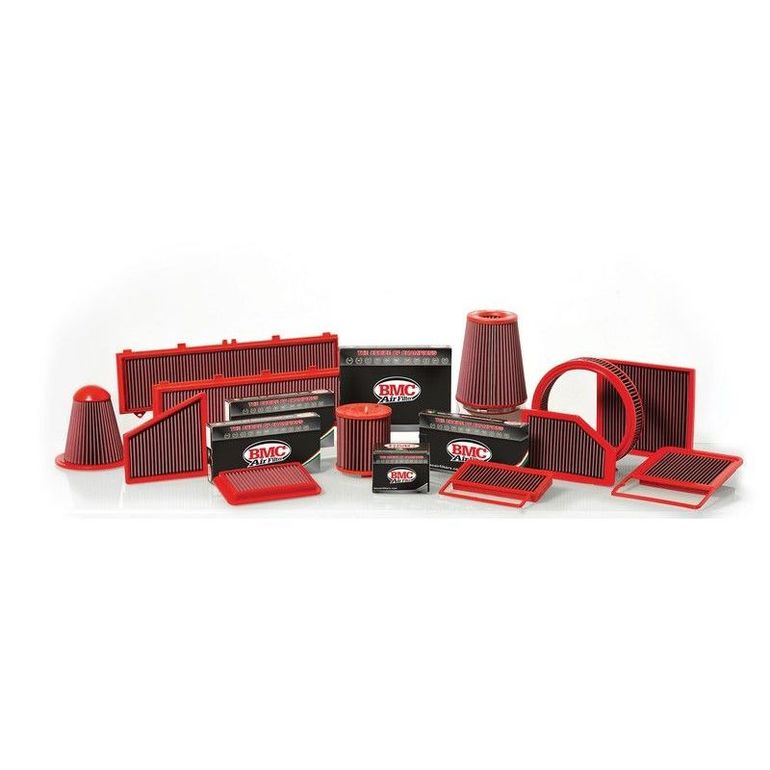
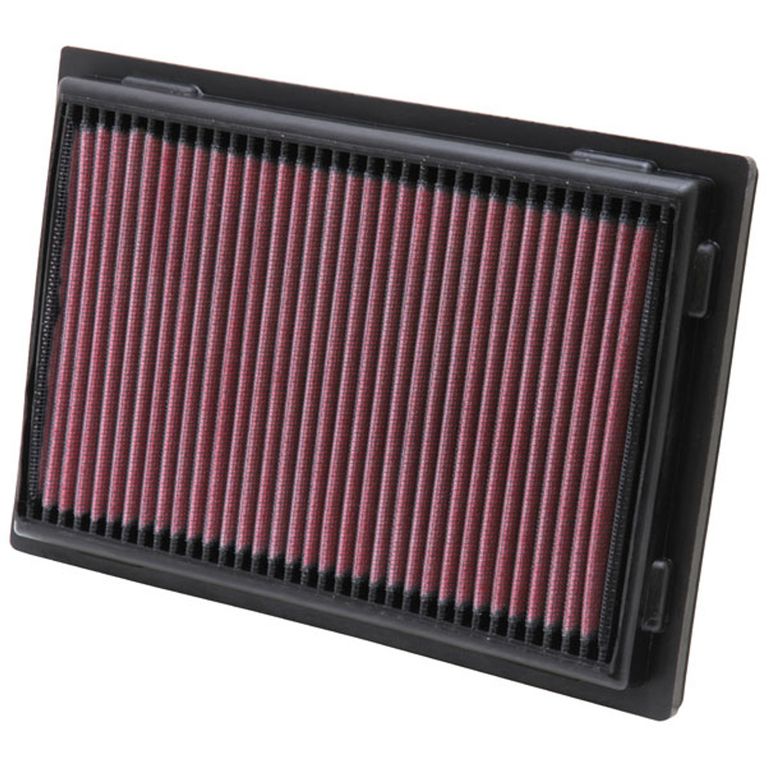
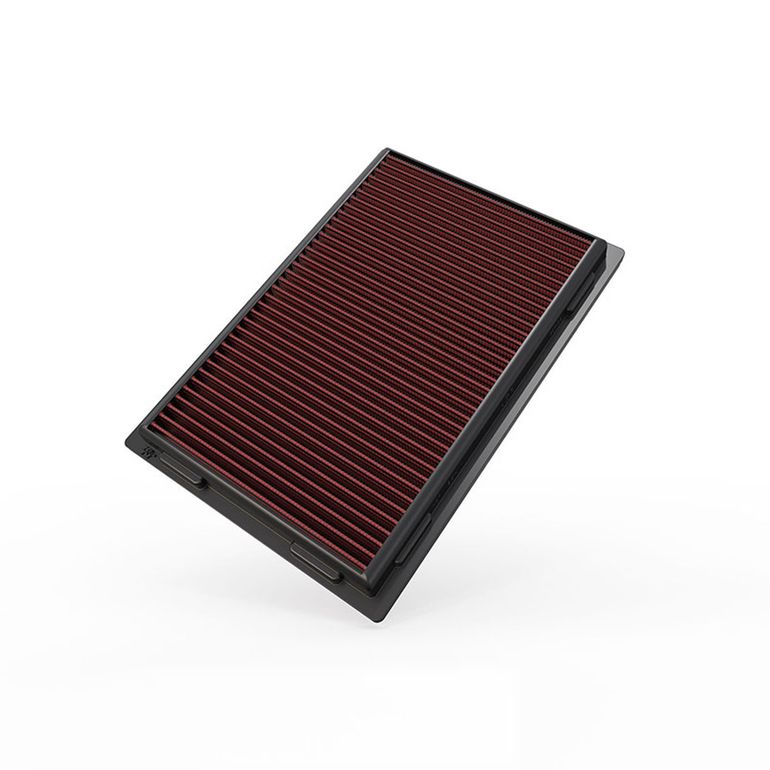
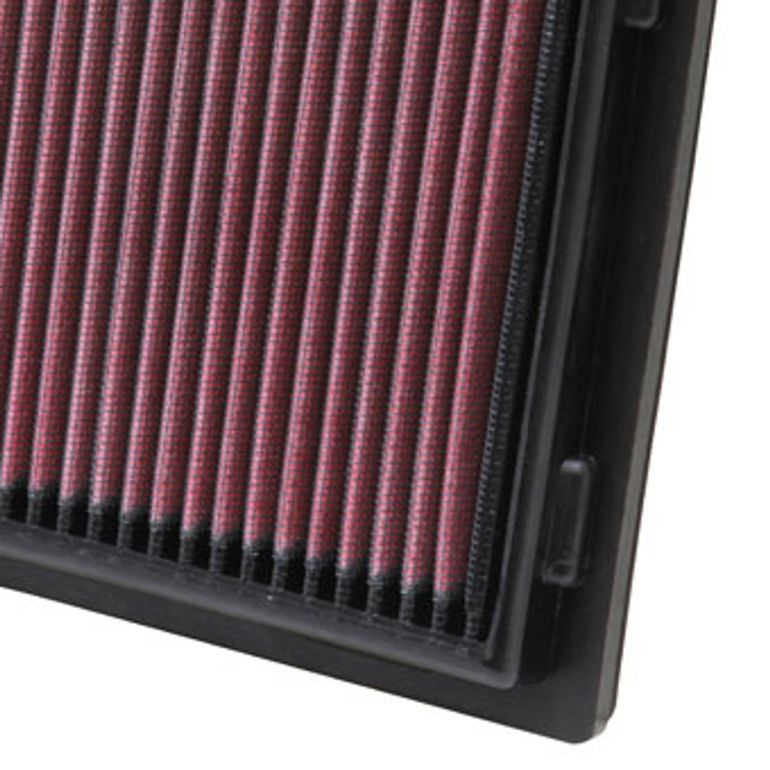
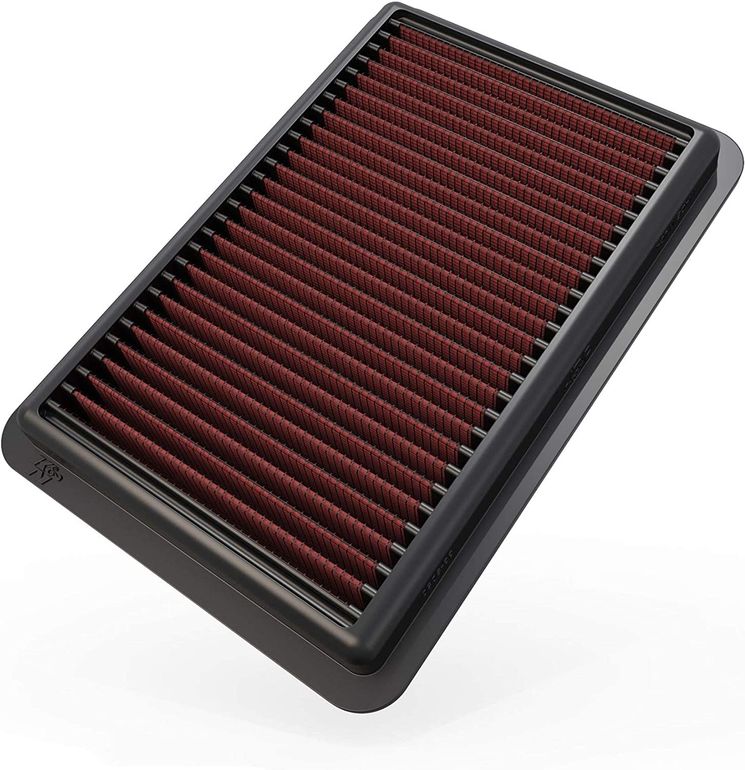
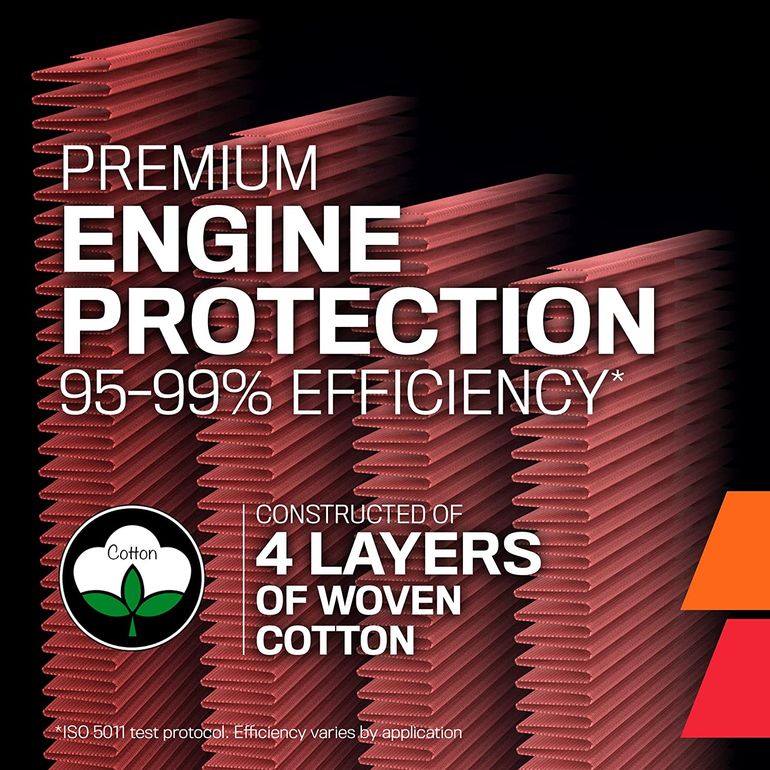
BMC and K&N filters are made from layers of woven cotton held between two metal meshes and treated with a special tacky oil.
- How they work: the cotton fibres let air pass with less resistance, while the oil captures dust particles and stops them getting through.
- Lower resistance: a performance filter does not mean the engine "pulls 50% more air"; the engine only draws what it needs, but the performance filter reduces the effort required to draw it. The benefit shows more at high RPM and in engines that need more air.
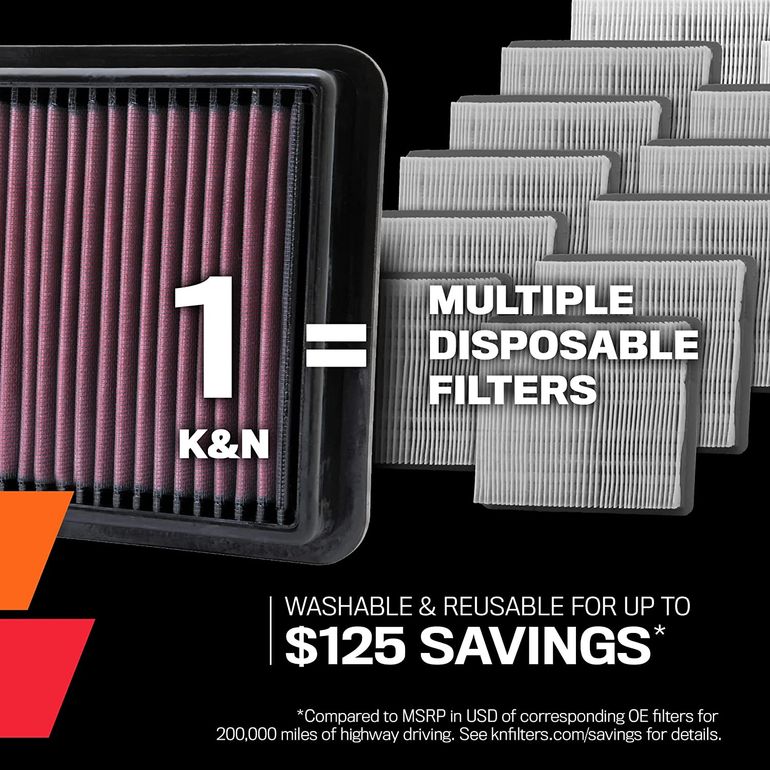
- Washable: lasts for many years with cleaning and re-oiling as needed.
- Better response: many drivers notice smoother throttle response, especially with a turbo.
To learn about the different shapes of performance filters (drop-in panel, cone and cold air intake), read our guide to performance air filter types.
Comparison: standard filter vs. BMC and K&N
Criterion | Standard paper filter | K&N (USA) | BMC (Italy) |
Filter media | Dry paper / cellulose | Layers of oiled cotton | Layers of oiled cotton with coated mesh |
Airflow resistance | Higher | Low | Low |
Fine-dust capture | Usually the highest | High (around 98–99% per the manufacturer) | High, tested to ISO 5011 per the manufacturer |
Lifespan | Replaced periodically | Years with cleaning | Years with cleaning |
Maintenance | Replacement only | Wash and re-oil | Wash and re-oil |
History and availability | Factory specification | Since 1969, available for most cars | Long history in motorsport and supercars |
Price | Lowest | Higher, recovered over time | Higher, aimed at performance and tuning |
Facts and myths
Myth 1: "A performance filter adds 20 horsepower instantly"
The fact: on ordinary naturally aspirated engines, a performance filter alone usually adds only a few horsepower (roughly 1 to 5 hp, and sometimes no noticeable difference). The clearer benefit is in response, and on turbo engines and modified or remapped cars. For details, read performance air filters with turbo and ECU tuning.
Myth 2: "A performance filter ruins the mass air flow (MAF) sensor"
The fact: a new filter as supplied by the manufacturer does not harm the sensor. The problem happens when the filter is over-oiled after washing, so excess oil reaches the sensor wire and causes incorrect readings or poor performance. The fix: a light, even coat of oil only.
Myth 3: "Performance filters let dust into the engine"
The fact: genuine BMC and K&N filters provide good protection, but honestly, a paper filter is usually slightly better at catching very fine dust. That is why, in Saudi Arabia's dusty conditions, a performance filter should be inspected and cleaned more often than usual, and the rubber seal and airbox fit should be checked. Also beware of counterfeit filters, which can offer very poor protection. For the right schedule, see when to clean a performance filter in desert conditions.
The correct way to clean a performance filter
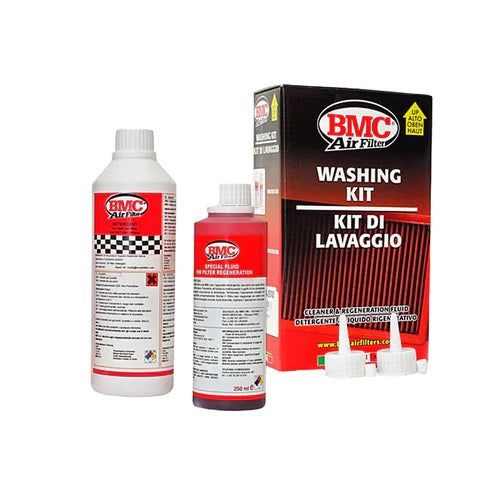
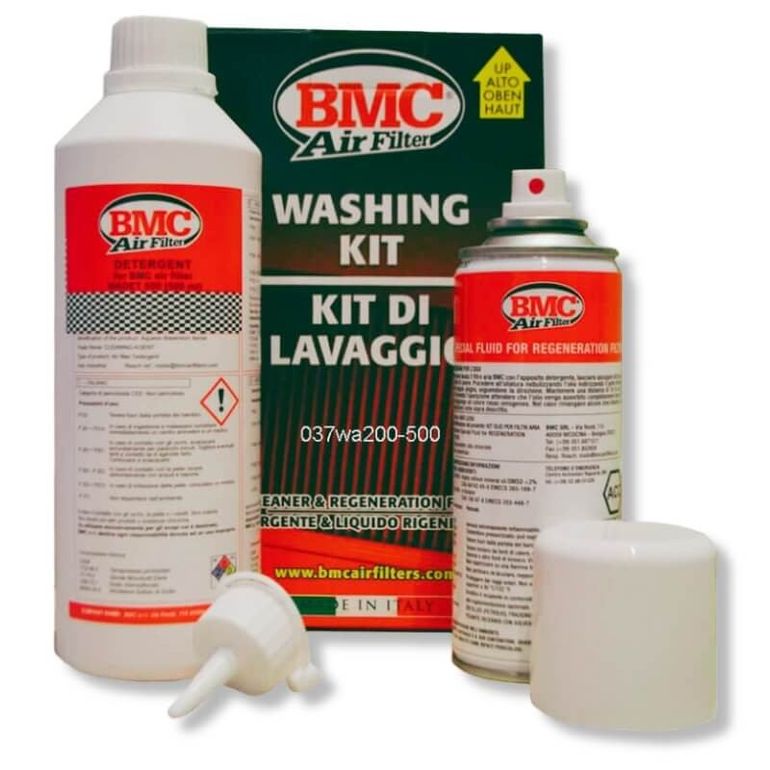
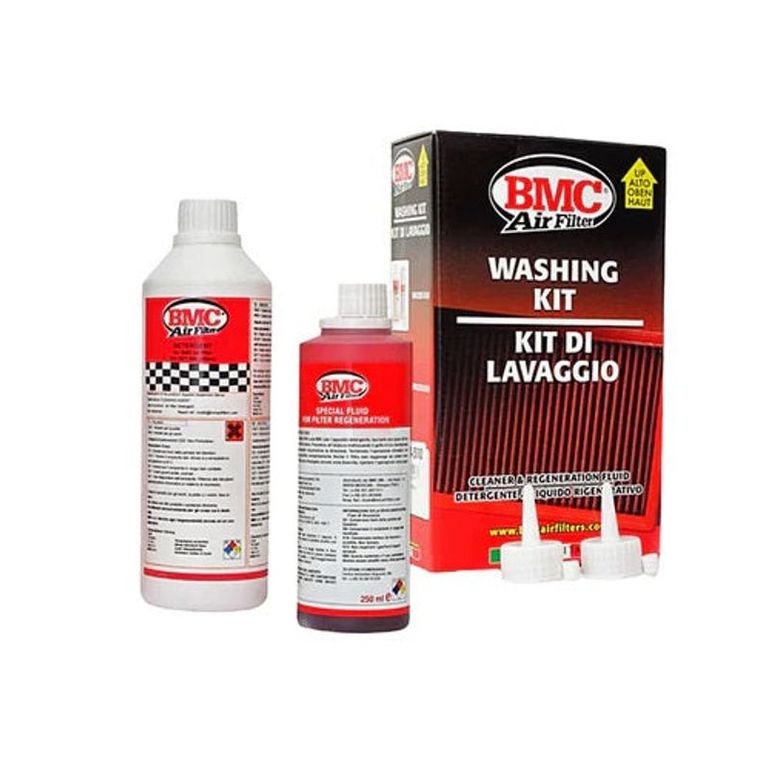
- Use the dedicated cleaning kit: never use petrol, strong solvents or harsh soap; use the filter manufacturer's cleaner.
- Remove loose dust: with a soft brush, without pressing on the cotton.
- Spray the cleaner and let it soak: on both sides for the time stated on the bottle (usually a few minutes up to 10 minutes).
- Rinse with water from the inside out: at low pressure, so dirt is pushed away from the fibres.
- Air-dry naturally: without compressed air or heat, as both damage the cotton.
- Apply an even coat of oil: spread the filter oil evenly until the cotton is uniformly coloured, then wait about 20 minutes before installing.
Bottom line: which filter should you choose?
- Choose the standard filter: if your car is a regular daily driver and you want the simplest maintenance and the finest filtration, and you don't mind periodic replacement.
- Choose BMC or K&N: if your car is turbocharged or modified, or you want better response and a permanent filter, and you will clean it on schedule. Make sure you get the matching part number, as explained in how to choose the right BMC filter.
Recommended products from CarBoost
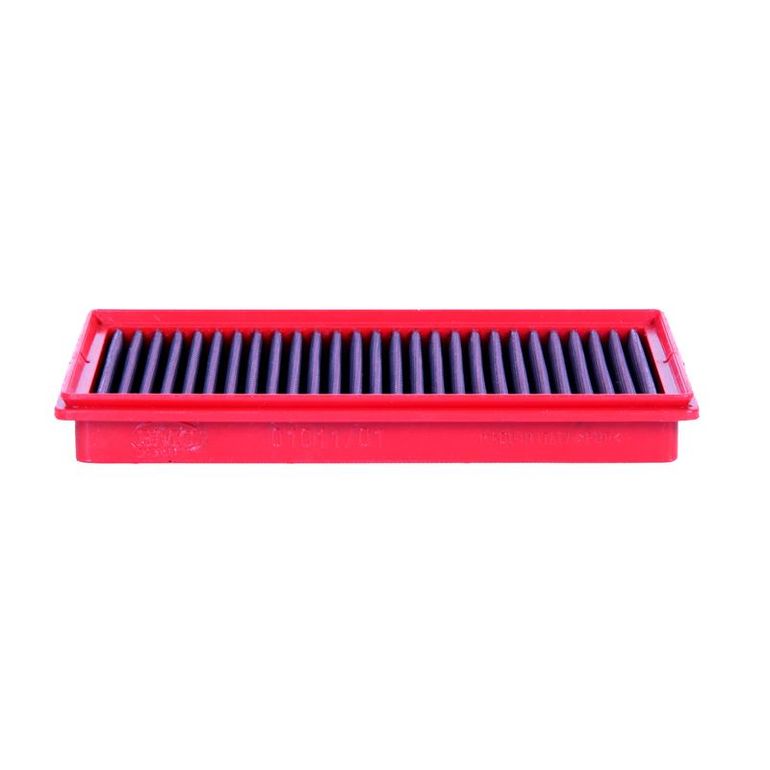
- BMC FB01011/01 filter for Camry, Corolla, RAV4 and Lexus
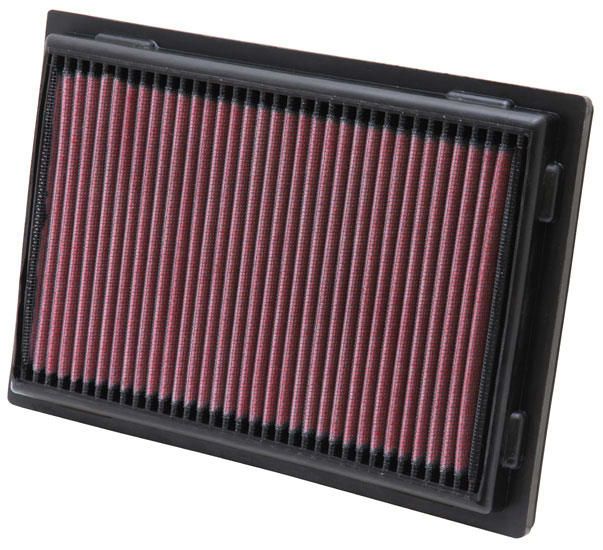
- K&N 33-2381 filter for Toyota and Lexus
- K&N 33-5050 filter for Hyundai and Kia
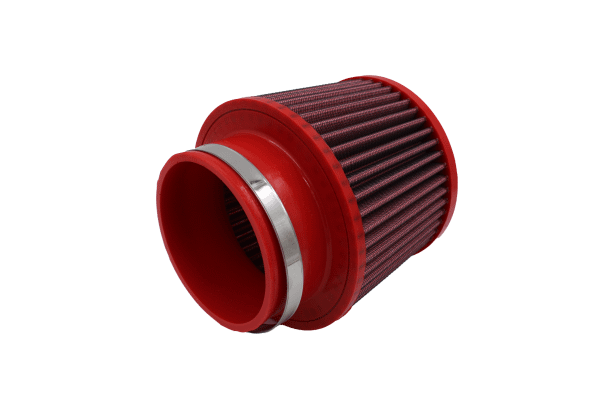
- BMC 4-inch short cone filter
- BMC filter washing and oiling kit
- All BMC products
- K&N performance filters
FAQ
Does a performance filter save fuel?
The difference in consumption is very small and usually unnoticeable in modern cars, because the computer adjusts the mixture to the amount of air. The real saving is not having to keep buying new paper filters.
How often should I clean a K&N or BMC filter in Saudi Arabia?
Manufacturers quote long intervals for normal conditions, but with dust and sandstorms it is advisable to inspect it roughly every 10,000 to 15,000 km and clean it once the cotton is coated with dust.
Does fitting a performance filter void the dealer warranty?
A matching replacement filter does not usually void the warranty just by being fitted, but if poor cleaning or installation causes a fault, the dealer may refuse to cover that specific fault. Keep the original filter if the car is still under warranty.
📲 Share this article with anyone thinking about fitting a performance filter!
🔧 CarBoost is here for you: shop genuine BMC and K&N filters in our air filters section, or book a filter installation or cleaning at the CarBoost service center.