Free shipping for orders over 499 riyal



Quick answer: The most common signs of low car A/C refrigerant are air that isn't cold, especially when idling, the compressor cycling on and off frequently, a hissing sound, or oily residue on the A/C fittings. Low refrigerant usually means a leak that must be fixed before recharging. Check the refrigerant type on the label under the hood: R134a in most cars up to around 2016, and R1234yf in most newer models, and never mix them.
In the Saudi summer, a car's A/C turns from a luxury into a necessity. A/C performance doesn't depend only on "topping up the gas" but on the health of the entire system: the compressor, the front condenser, the expansion valve, the evaporator, and the type of refrigerant and its oil. As refrigerant types have changed in recent years for environmental reasons, there is a lot of confusion about whether they can be swapped and the risks of charging the wrong one.
Signs of low refrigerant or a leak
Sign | What it usually means |
A/C is cold while driving but warm when stopped | Low refrigerant, a dirty condenser or a weak radiator fan |
The compressor switches on and off every few seconds | Low system pressure due to low refrigerant |
Hissing from the dashboard after switching the car off | Can be normal for a few seconds (pressure equalizing); if prolonged with weak cooling, it may indicate an evaporator leak |
Oily stains on the fittings or compressor | A leak, because compressor oil escapes with the refrigerant |
Frost on the pipes or weak airflow | A blockage or a problem with the expansion valve or receiver-drier |
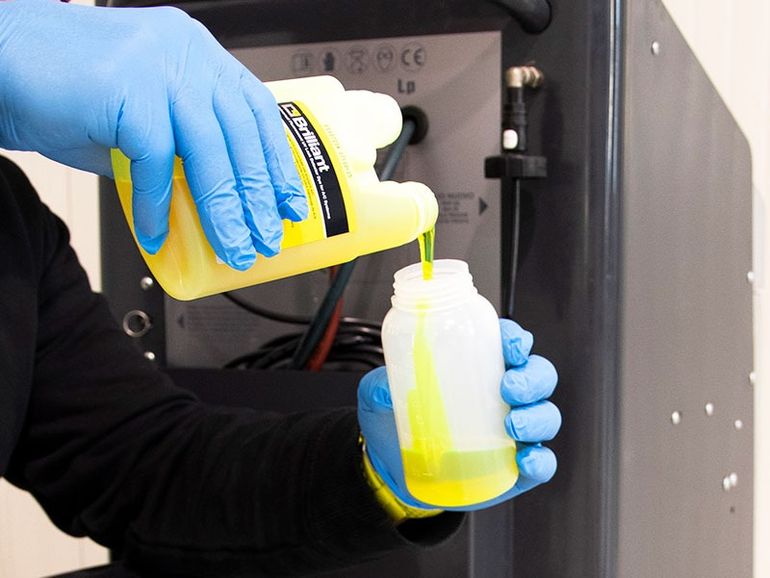
If the refrigerant keeps running low within weeks, recharging alone won't solve the problem; the leak must be found with UV dye, an electronic detector or a pressure and vacuum test. If the issue is a bad smell rather than weak cooling, read: Why does your car A/C smell musty?
Preparing the A/C for summer: the essential checks
- Cleaning the condenser: dust and insects on the condenser block heat rejection, weakening cooling when stopped in traffic.
- Replacing the cabin air filter: a clogged filter reduces airflow and causes odors. In dusty conditions, check it roughly every 10,000 to 15,000 km. Browse A/C filters.
- Checking pressures, refrigerant and oil quantity: correct charging is done by weight according to the amount on the car's label, because overcharging is as harmful as undercharging.
- Checking the radiator fan: it cools the condenser when the car is stationary, and its performance is tied to the whole cooling system; see the radiator coolant types guide.
Car refrigerant types: R134a, R1234yf and R744
R-134a
The standard in most cars from the 1990s until around the middle of the last decade. It is non-flammable, cools well and is inexpensive, but its global warming potential (GWP) is high, around 1430, so it has gradually been replaced in new cars.
R-1234yf
The environmental replacement adopted in most modern cars (generally 2017 models onward, and some earlier models). Its GWP is very low and its operating pressures are close to R134a, but it is more expensive and classified as mildly flammable (A2L), which is why its systems use different service ports and need dedicated equipment.
R-744 (carbon dioxide)
A technology used by some luxury European cars and some electric vehicles. It is a natural, non-flammable gas with a GWP of 1, but it operates at very high pressures that can exceed 100 bar on the high side, compared with about 15 to 20 bar for conventional types, so it needs a special compressor, pipes and service equipment.
Quick comparison of refrigerant types
Aspect | R-134a | R-1234yf | R-744 (CO2) |
Environmental impact (GWP) | High (around 1430) | Very low (less than 1) | 1 |
Flammability | Non-flammable | Mildly flammable (A2L) | Non-flammable |
Operating pressures | Medium | Medium (close to 134a) | Very high |
Common compressor oil | PAG 46 / 100 / 150 | YF-specific PAG, or POE for electric compressors | Special high-pressure oil |
Cost | Cheapest | Noticeably higher | Expensive systems and servicing |
The danger of mixing refrigerants
CarBoost engineer's warning: Never mix two refrigerants in the same system, and never charge a type other than the one on your car's label.
- Pressure disruption: sensor readings change, and the control unit may shut off the compressor, or cooling may weaken.
- Oil problems: each gas is designed with a specific oil. Mixing can reduce oil miscibility and circulation, starving the compressor of lubrication and risking compressor seizure.
- Contaminating workshop equipment: mixed refrigerant contaminates recovery and charging machines, which is why professional workshops refuse to work on a contaminated system before testing it.
Charging R134a instead of R1234yf: why it isn't recommended
Because of the price difference, some non-specialist workshops charge R134a into cars designed for R1234yf using adapter fittings. The risks of this conversion:
- Oil incompatibility: the oil suited to a YF system isn't necessarily ideal with R134a, which may shorten compressor life.
- Different calibration: valves and sensors are calibrated for a specific gas's properties, and the result may be weaker cooling in extreme heat or a frozen evaporator.
- Risk to electric compressors: hybrids and EVs use a high-voltage electric compressor that needs an insulating oil (usually POE), and the wrong oil can weaken insulation and cause electrical faults.
- Warranty: the dealer may refuse A/C system warranty claims if a non-conforming gas or oil is found.
DIY recharge kits: when are they useful?
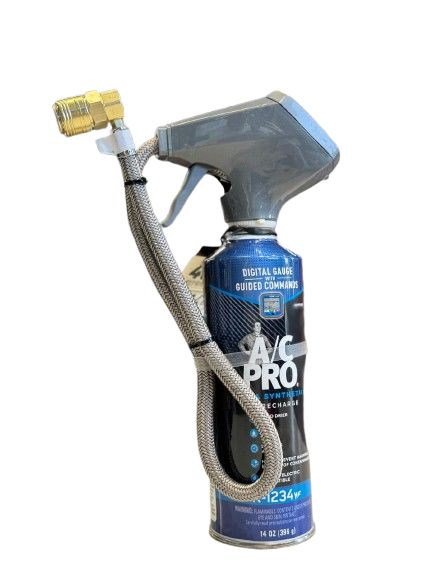
Recharge kits with a gauge are useful for topping up a slight shortfall with the same refrigerant type listed on your car, following the instructions carefully and not exceeding the recommended pressure. But they don't locate the leak, and some kits contain a stop-leak that may cause blockages or contaminate workshop equipment later. If the loss keeps recurring, it is best to have the leak traced at a specialist workshop. To see when routine checks are cheaper than repairs, read Why periodic maintenance is the smartest investment.
Recommended products from CarBoost
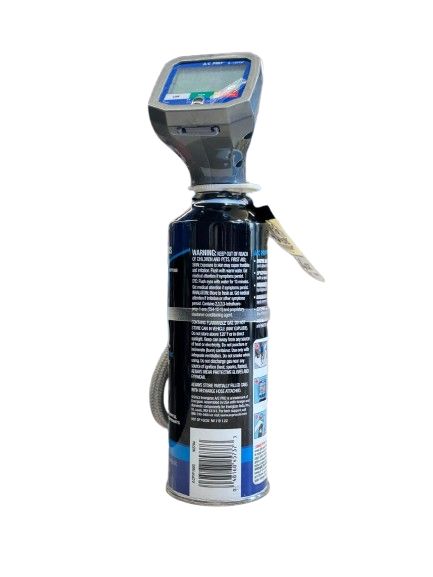
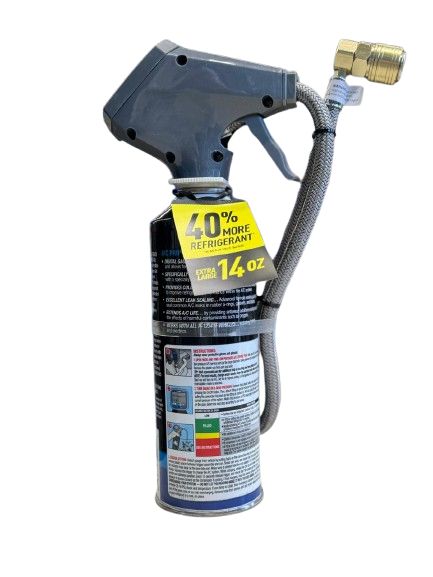
- A/C Pro R-1234YF Refrigerant
- AC Avalanche R-1234yf Recharge Kit with Gauge
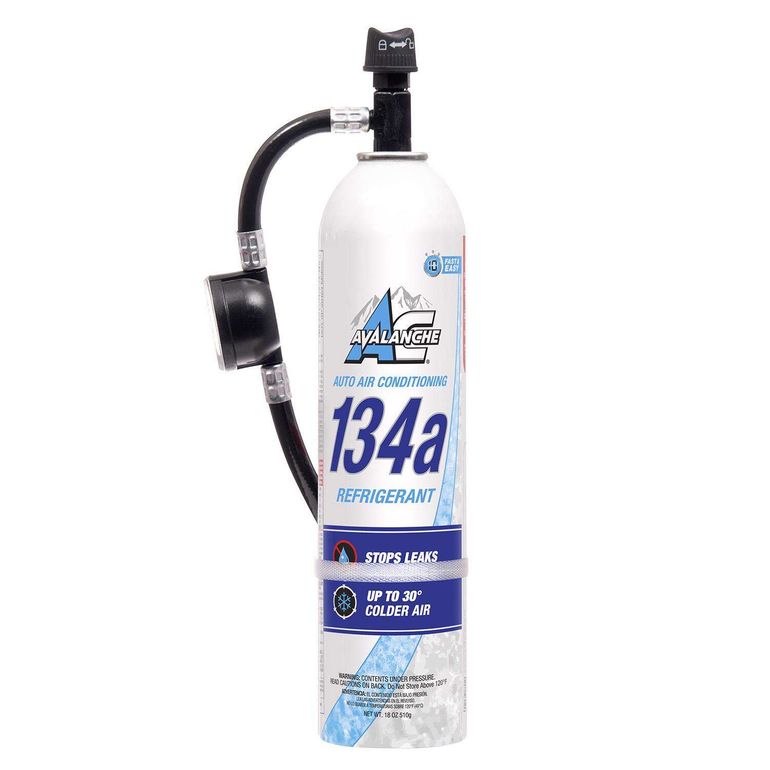
- AC Avalanche R134a with Hose and Gauge
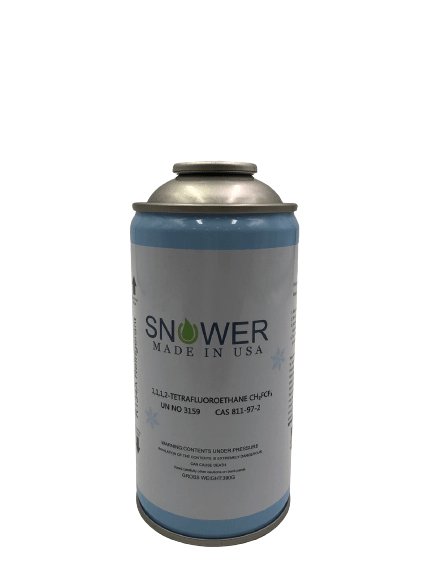
- Snower R134a Refrigerant 390g
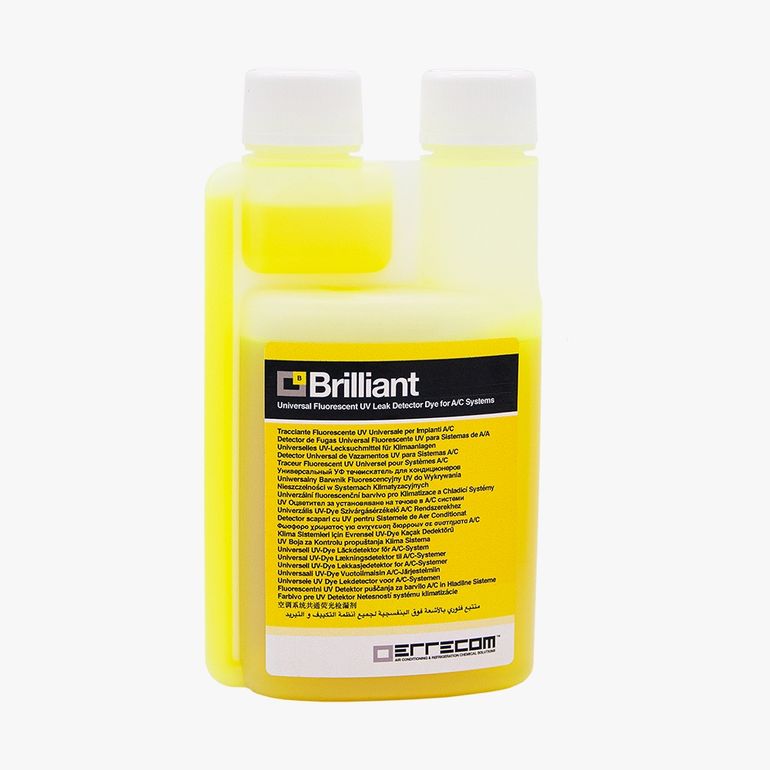
- Errecom UV A/C Leak Detector Dye
- A/C refrigerant
- A/C filters
FAQ
How do I know my car's refrigerant type?
Open the hood and look for the A/C label, usually on the underside of the hood or near the radiator. It shows the gas type (R134a or R1234yf), the charge amount in grams and the oil type.
How often should I recharge the A/C?
The system is sealed and doesn't consume refrigerant under normal conditions. If you need a recharge every year or sooner, there is a leak that must be fixed, and repeated recharging without repair harms the compressor and costs you more.
Why is my A/C cold while driving but warm when I stop?
Usually because the condenser isn't cooled enough when stationary: it's dirty, the radiator fan is weak, or refrigerant is low. Start by checking the fan and the condenser's cleanliness, then the system pressures.
📲 Does a friend's A/C "blow cold then warm"? Send them the signs table.
🔧 CarBoost at your service: Shop refrigerant, A/C supplies and cabin filters from the A/C section, or book an A/C inspection and leak test at the CarBoost center.