Free shipping for orders over 499 riyal



Quick answer: The best protection for your car's front end against sandstorms is a clear PPF film on the bumper, bonnet and headlights, plus a WPF film on the windshield if you travel often, with a nano ceramic layer to make cleaning easier. If your headlights have already yellowed, they can be restored by sanding and polishing followed by a UV protective coat, but a deeply sand-pitted windshield cannot be fixed by polishing and may need replacing.
Anyone who regularly drives long highway routes knows "safi" (blowing sand) and hot dust storms well. Wind loaded with fine sand, combined with high speed, works on your car's front end like sandpaper. Over time the result is a sand-pitted windshield, yellow, cloudy headlights and worn clear coat on the bumper, mirrors and bonnet. This doesn't just hurt the looks and resale value; it reduces night visibility and affects your safety.
What does blowing sand do to your car's front end?
When driving at 100 km/h or more in dusty weather, millions of grains hit the front of the car, causing:
- Windshield pitting: thousands of tiny pits and scratches that scatter the headlights of oncoming cars at night (glare), tire your eyes and make wiper blades wear faster. Choosing the right wipers matters here, as explained in the guide to the best wiper blades for Saudi weather.
- Headlight oxidation: modern headlight lenses are made of polycarbonate with a factory protective coating. Sand and UV rays gradually strip this coating, so the plastic oxidises and turns yellow, and the headlights lose a large part of their brightness.
- Paint chipping: white or black dots on the bonnet and bumper where impacts reach the primer layer.
- Gravel strikes and broken glass: especially behind trucks. If this happens to you, see the legal position and correct steps when flying gravel breaks your windshield.
Front-end and windshield protection technologies
Ordinary spray wax or random oily products don't protect against sand; they can even attract dust and bake under the sun. Modern solutions are clear and last much longer:
Paint and headlight protection film (PPF)
Clear films made of thermoplastic polyurethane (TPU), the strongest protection for the bumper, bonnet and headlights:
- Self-healing of light scratches: surface scratches disappear with sun heat or warm water.
- Impact absorption: absorbs hits from sand and small gravel before they reach the paint or headlight plastic.
- UV protection: greatly reduces headlight yellowing and paint fading.
Windshield protection film (WPF)
- Protection from pitting: the film takes the sand impacts instead of the glass and reduces the risk of chips from small gravel, but it won't stop breakage from large stones.
- High clarity: good films installed professionally usually don't affect the rain sensor or driver-assistance cameras, though it is wise to confirm camera calibration on modern cars.
- Replaceable: when the film wears out it is removed and replaced, and the original glass stays intact.
Nano ceramic coatings for glass and headlights
- Water and dust repellent (hydrophobic): less dust and insects stick, and washing is easier.
- Smoother surface: helps wipers glide, but it is a thin layer that does not absorb gravel strikes.
Quick comparison of protection options
Protection type | Main purpose | Resistance to sand and gravel | Approximate lifespan |
PPF film (bumper and headlights) | Protects paint and headlights from impacts, pitting and yellowing | Very high | 5 to 10 years depending on quality |
WPF film (windshield) | Protects glass from pitting and small chips | High | 1 to 3 years depending on how much you travel |
Nano ceramic | Easier cleaning, water repellence, less oxidation | Medium to low | Months to 3 years depending on type |
Ceramic spray or DIY wax | Shine and a temporary repellent layer | Low | Weeks to a few months |
Restoring damaged headlights and glass
If the front end is already damaged, don't rush to buy new headlights:
- Headlight restoration: progressive wet sanding to remove the yellow oxidised layer, then polishing to restore clarity, then a UV hard coat or PPF film. Without this final layer, yellowing returns within months.
- Glass polishing: removes water spots, wiper marks and light surface scratches using cerium oxide. Deep pitting you can feel with a fingernail won't polish out; the fix is replacing the windshield if it causes annoying glare at night.
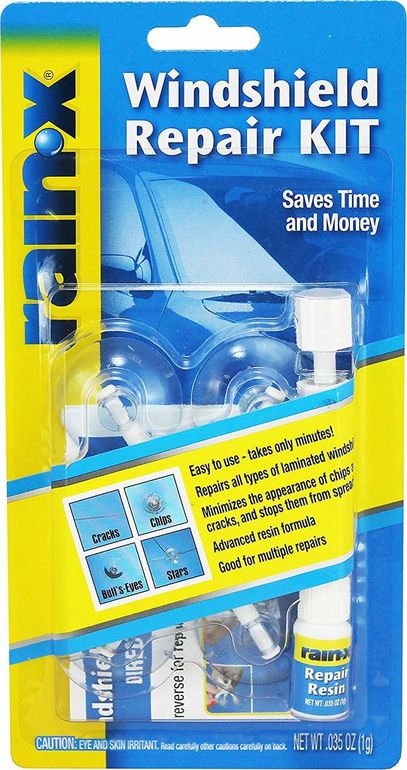
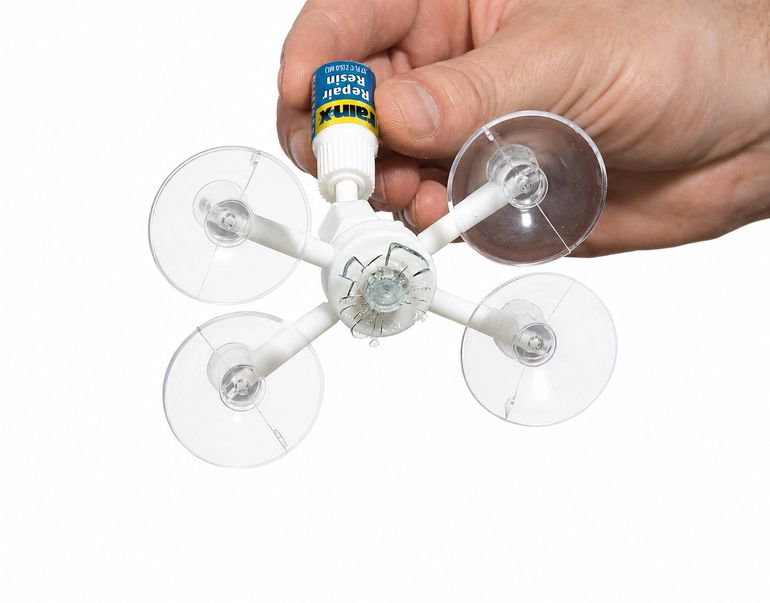
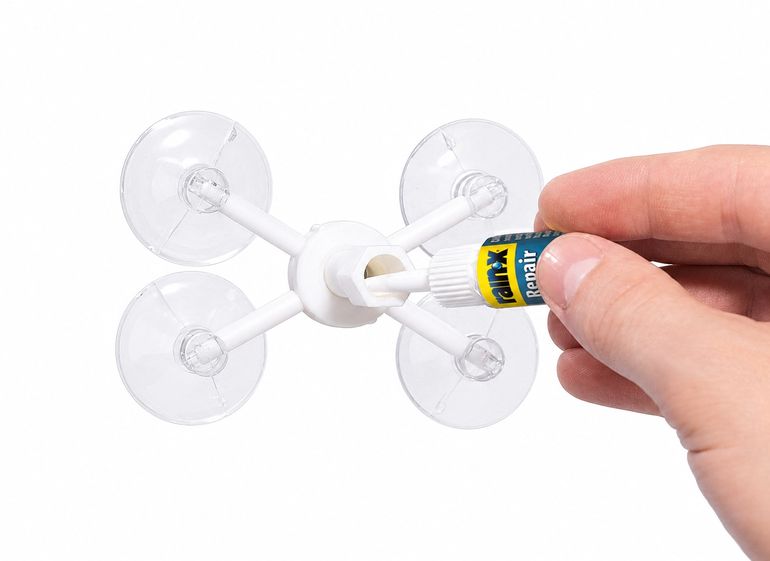
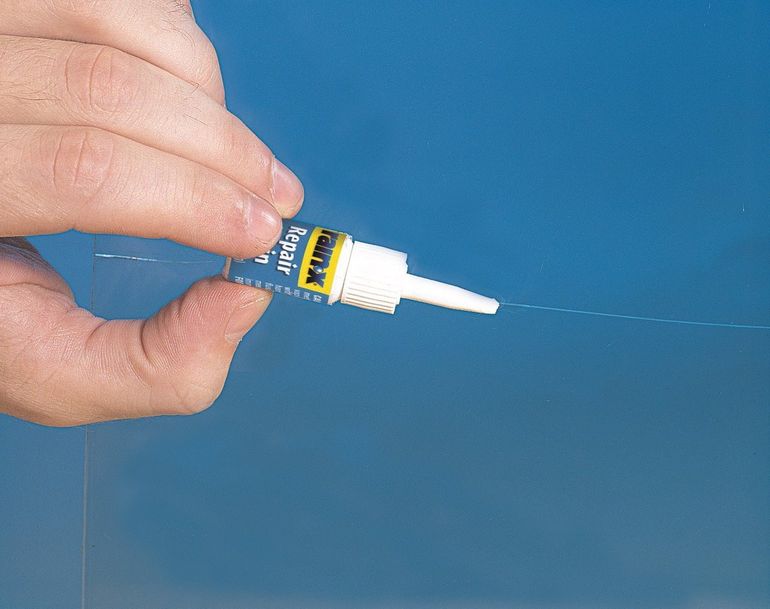
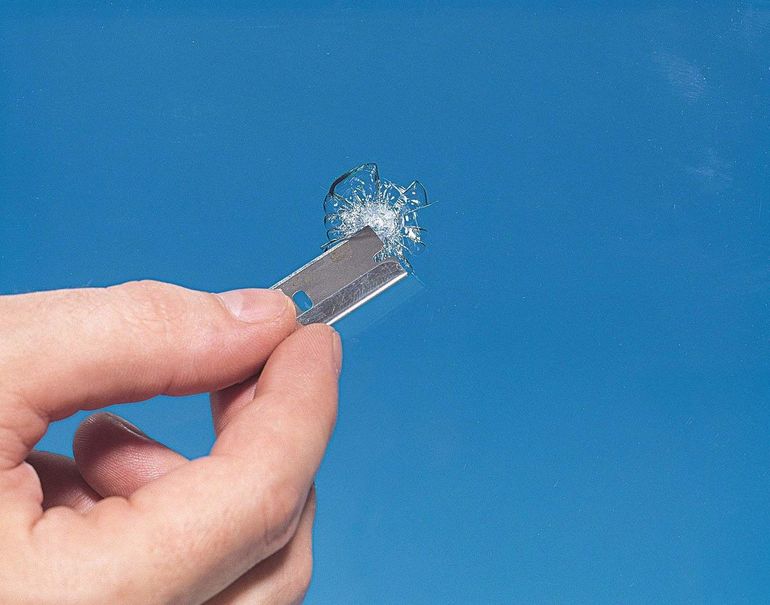
- Repairing a small chip or crack: a small gravel chip can be filled with resin early, before it spreads into a full crack.
Driving and care tips during sandstorms
- Slow down when entering a dust storm: sand impact energy rises with the square of speed, so dropping from 120 to 80 km/h cuts the force of the hits to less than half, and improves visibility and safety too.
- Keep away from trucks: leave enough distance behind trucks and tippers to avoid flying gravel.
- Don't run the wipers on dry, dusty glass: spray enough washer fluid first, or the wiper turns into sandpaper.
- Rinse the front end with water before wiping: dry wiping with a cloth drags sand across the paint and glass.
- Don't use petroleum jelly or household soap: greasy products attract dust and bake in the heat.
- After the dust season: check your air filter as well, since dust doesn't only hurt the front end; see when to clean your filter in desert conditions.
Summary
A pitted windshield and yellow headlights are not inevitable. PPF on the most exposed areas, WPF if you travel a lot, and correct driving and washing habits keep your night vision safe and protect your car's resale value.
Recommended products from CarBoost
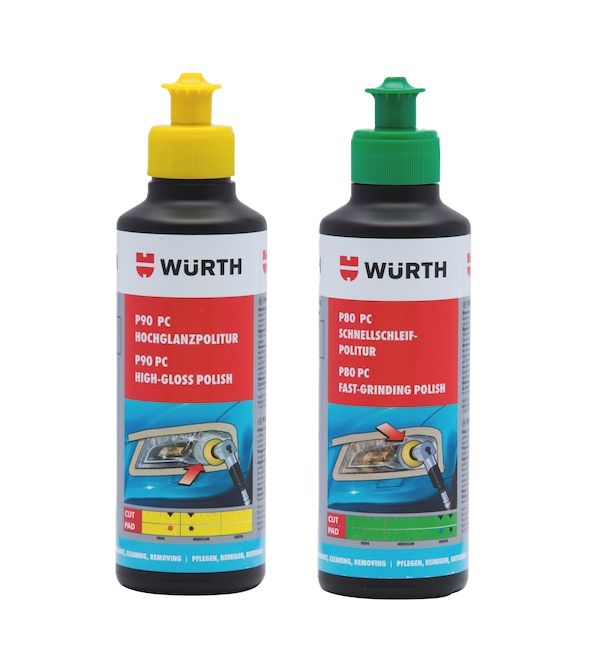
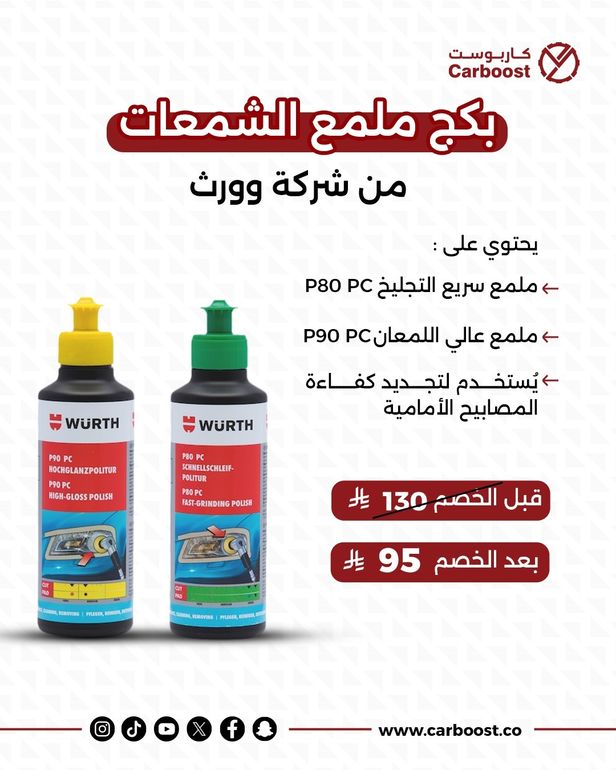
- Würth headlight polish & restoration bundle P80 + P90
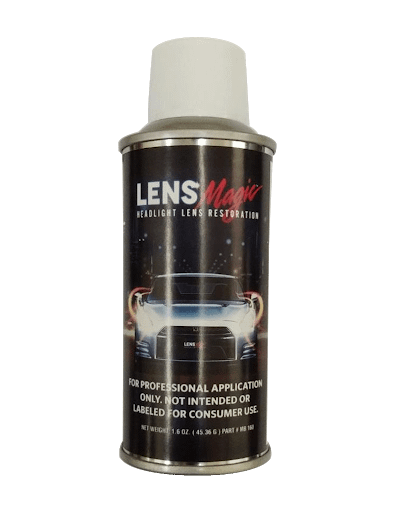
- Lens Magic headlight restoration spray
- Rain-X windshield chip & crack repair kit
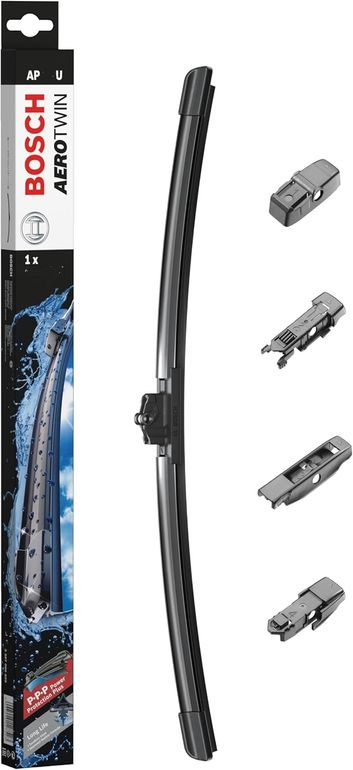
- Bosch Aerotwin flat wiper blades
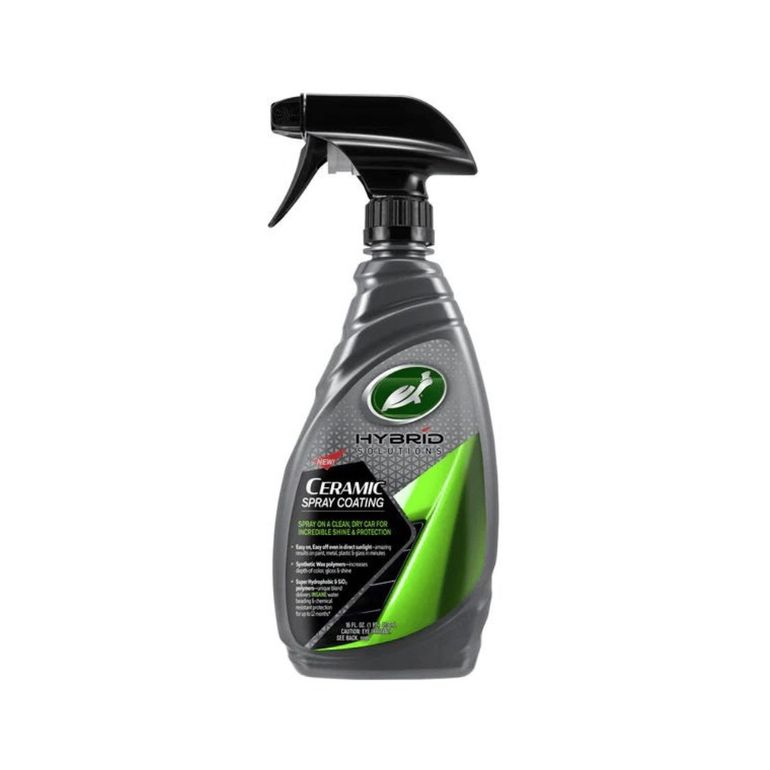
- Turtle Wax ceramic spray coating
- Browse the glass care and wiper blades categories
FAQ
Does headlight polishing last?
Polishing alone lasts only a few months because the plastic is left unprotected. If a UV coat or PPF film is added afterwards, the result lasts for years.
Is windshield protection film legal in Saudi Arabia?
Clear WPF films don't change the colour of the glass or block vision; what is usually prohibited is tint that blocks vision on the windshield. Make sure the film is fully clear and professionally installed.
When should I replace a sand-pitted windshield?
If glare from oncoming headlights clearly bothers you at night, or the pitting is deep in the driver's line of sight and polishing didn't help, replacement is the safer choice.
📲 Share this article with friends who often drive long highway trips!
🔧 CarBoost at your service: Shop glass and headlight care products at the CarBoost store, or book headlight restoration and protection film installation at the CarBoost center.