Free shipping for orders over 499 riyal


Quick answer: You protect your catalytic converter and DPF or GPF from clogging with three things: fix any combustion fault right away (spark plugs, coils, injectors, oil burning), use a Low SAPS oil that meets ACEA C or your manufacturer's approval, and drive on the highway regularly so the filter can complete its self-regeneration. Fuel-additive cleaners help with light deposits, but they cannot repair a melted or broken converter, and deleting it is not a solution.
You press the accelerator to overtake on the highway and the engine feels "choked", as if it is struggling to breathe. Many people assume the engine or gearbox is at fault, but in many cases the cause is in the exhaust system: the catalytic converter and particulate filters. These are among the most expensive parts of a car because they contain precious metals such as platinum, palladium and rhodium, so protecting them saves you thousands of riyals.
What are the catalytic converter, DPF and GPF, and what do they do?
These parts act as a chemical and mechanical filter that stops toxic gases and fine particles from leaving the exhaust:
- Catalytic converter: a fine honeycomb ceramic core coated with precious metals that converts carbon monoxide, unburned hydrocarbons and nitrogen oxides into carbon dioxide, water vapour and nitrogen.
- Diesel Particulate Filter (DPF): fitted to modern diesel cars, it traps black soot and burns it off periodically.
- Gasoline Particulate Filter (GPF or OPF): added to many direct-injection (GDI) petrol cars to capture fine carbon particles before they leave the tailpipe.
Why do catalytic converters and exhaust filters clog?
Clogging is usually the result of a problem in the engine itself, not a sudden failure of the converter:
- Incomplete combustion: worn spark plugs, weak coils or clogged injectors let unburned fuel reach the exhaust and burn inside the converter, raising its temperature enough to melt the ceramic core. That is why we recommend reading the guide to spark plugs and the fuel system at the first sign of misfiring.
- Burning engine oil: worn piston rings, valve stem seals or a leaking turbo let oil into the combustion chamber, and its residue (ash) coats the core and blocks its pores almost permanently.
- Short city trips: a DPF needs high exhaust temperatures (around 550 to 600 °C) to burn off soot in a process called regeneration. Traffic and short trips interrupt this process before it finishes, so soot builds up.
- Oil that does not meet the specification: high ash, sulphur and phosphorus (High SAPS) oils leave ash that does not burn inside DPFs and GPFs. Learn the difference in the engine oil specifications guide (API and ACEA).
- Poor fuel or faulty sensors: an oxygen sensor or mass airflow (MAF) sensor giving false readings can keep the mixture constantly rich.
Symptoms of a clogged catalytic converter or exhaust filter
Symptom | Likely cause |
Choking and weak acceleration, especially uphill and when overtaking | Backpressure stopping exhaust gases from flowing out freely |
Excessive heat under the car or around the converter | Unburned fuel burning inside the converter or trapped heat |
Rotten-egg (sulphur) smell | Rich fuel mixture or a converter no longer treating gases efficiently |
Check Engine light | Codes such as P0420 / P0430 (catalyst efficiency) or P2002 / P2463 (DPF) |
Dedicated DPF light on the dashboard (diesel cars) | Filter full of soot and needing regeneration |
Higher fuel consumption | Frequent regenerations or a combustion fault |
If the engine light comes on, don't just clear the code; read what the Check Engine light means to understand why proper diagnosis matters before any repair.
Why is deleting or hollowing out the catalytic converter a mistake?
CarBoost technical note: Hollowing out the converter or deleting the DPF does not fix the cause of the problem; it hides a symptom and creates new problems.
- It breaks regulations and fails the periodic inspection: emissions exceed the permitted limits.
- The engine light stays on: the rear oxygen sensor detects the missing treatment, and some cars go into limp mode.
- Harmful smells and gases: they can enter the cabin and affect passengers.
- The root cause remains: if the engine burns oil or misfires, the damage continues in other parts such as the turbo and valves.
How to protect your catalytic converter and DPF from clogging
Everyday preventive steps
- Use the oil approved for your car: for cars with a DPF or GPF, choose an oil rated ACEA C2 or C3 or carrying the manufacturer approval listed in the owner's manual.
- Drive on the highway regularly: 20 to 30 minutes at a steady speed about once a week helps regeneration finish, and avoid switching off the engine while the regeneration light is on where possible.
- Fix misfires immediately: a flashing engine light means incomplete combustion that can ruin the converter in a short time.
- Watch your oil consumption: if you keep topping up oil between changes, check the cause early.
- Use a suitable cleaner as preventive maintenance: converter and sensor cleaners added to the fuel tank help reduce light deposits; details are in the guide to cleaning the MAF sensor, injectors and catalytic converter.
Additive cleaner, professional cleaning or replacement?
Situation | Best solution |
Light deposits, early P0420 code without noticeable choking | Fuel-additive converter cleaner + a long drive + fixing the cause |
DPF full of soot and DPF light on | Forced regeneration with a diagnostic tool or professional cleaning |
Severe choking and high backpressure | Backpressure test, then professional cleaning if the core is intact |
Melted or broken core (rattling from the converter) | Replacement is the only fix; cleaners won't help |
Inspection and cleaning at the CarBoost center
- Electronic diagnosis and live sensor data: to determine whether the problem is the converter itself or the engine.
- Backpressure test: to measure how blocked it is before deciding.
- Specialist chemical cleaning: with products that break down soot and carbon without harming the catalytic coating, plus a forced DPF regeneration through the diagnostic tool when needed.
Summary
Catalytic converters and DPFs don't clog for no reason; behind almost every blockage is a combustion fault, the wrong oil or a pattern of repeated short trips. Fix the cause, use the right oil and get checked early at the first sign of choking or a warning light, and you will avoid the cost of replacement.
Recommended products from CarBoost
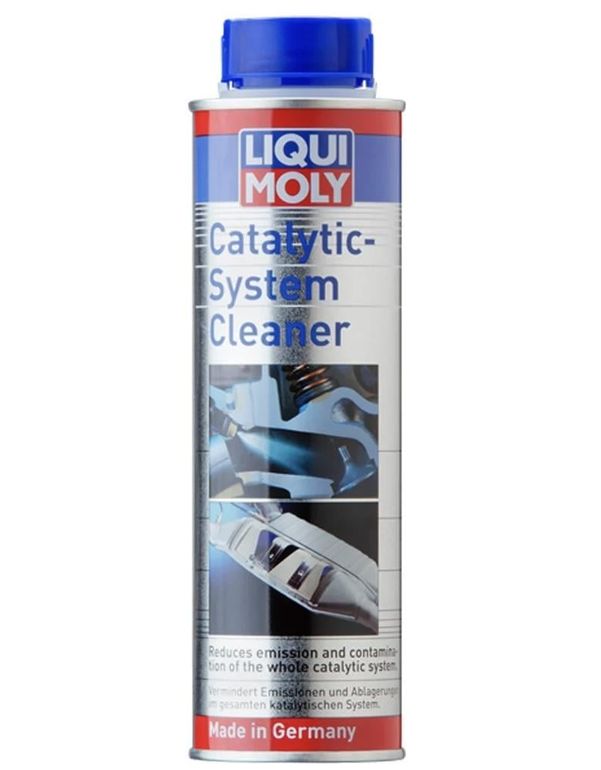
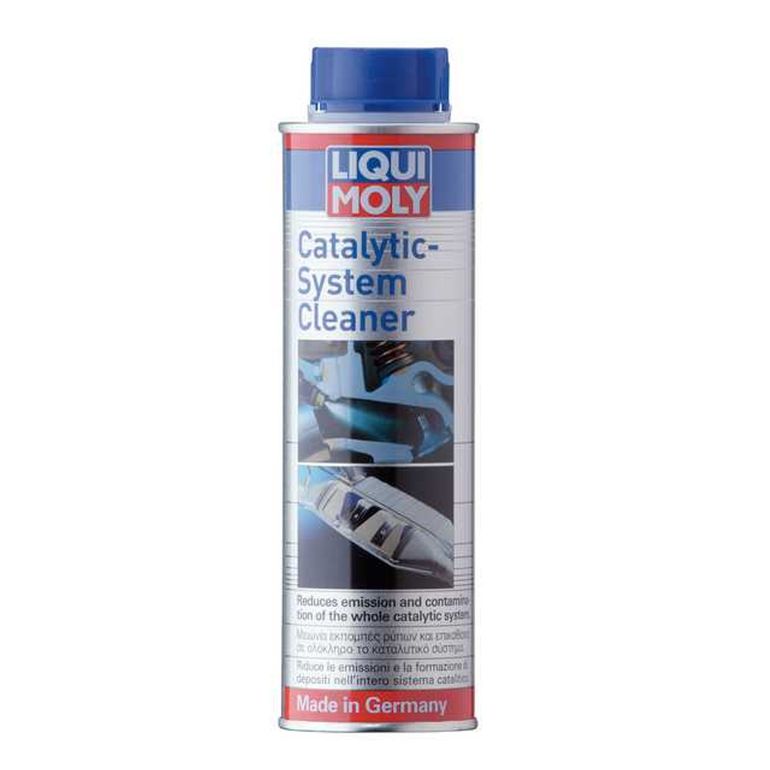
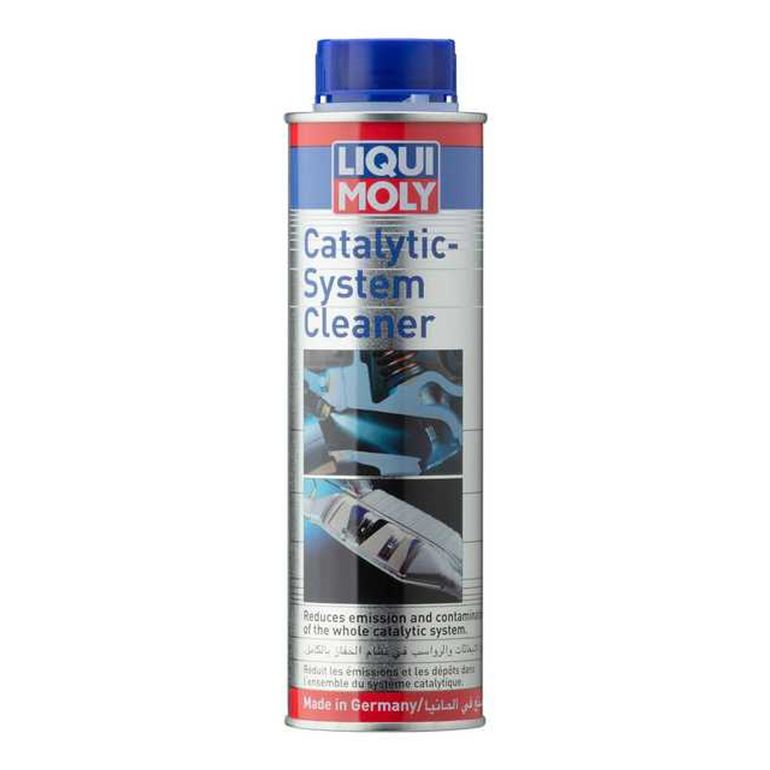
- LIQUI MOLY Catalytic-System Cleaner 300 ml
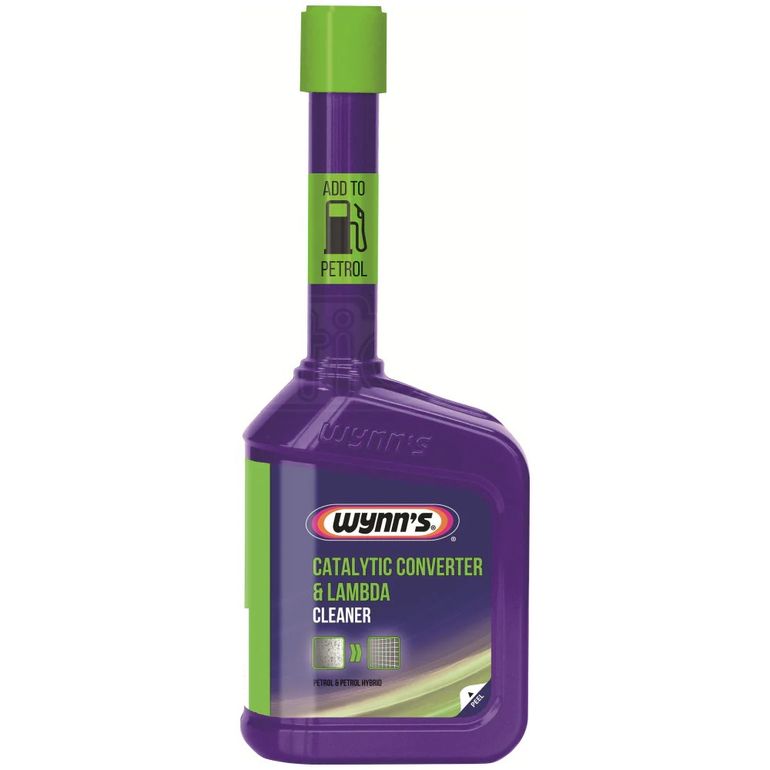
- Wynn's Catalytic Converter & Lambda Cleaner 325 ml
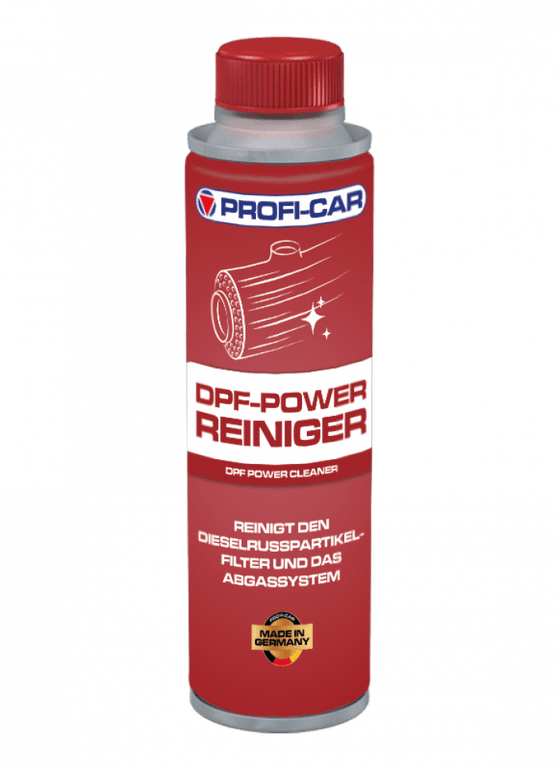
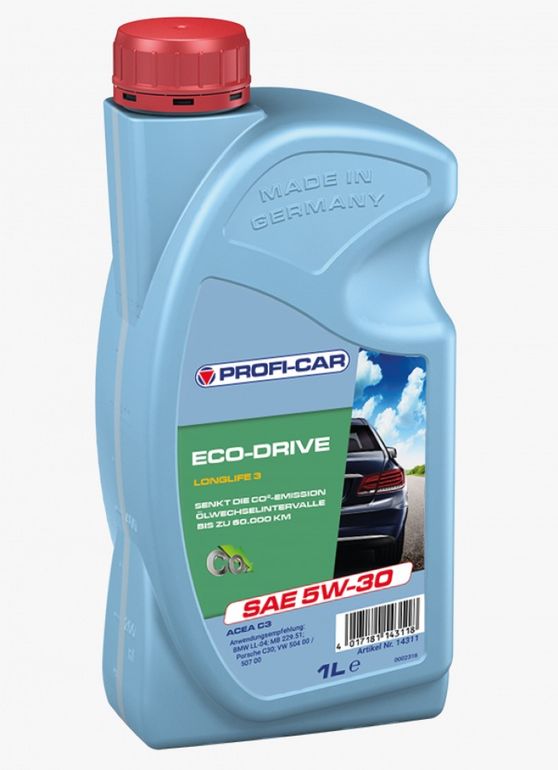
- PROFI-CAR DPF Power Cleaner
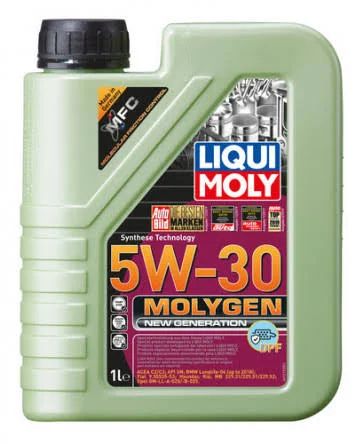
- LIQUI MOLY Molygen 5W-30 DPF-compatible oil
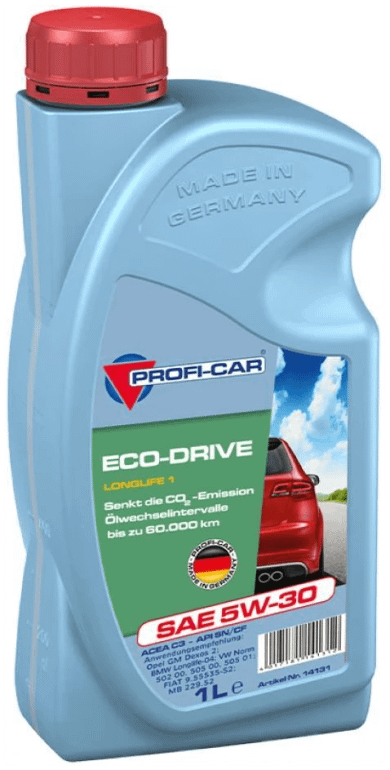
- PROFI-CAR 5W-30 C2/C3 engine oil
- Browse the catalytic converter cleaners and DPF cleaner categories
FAQ
Does a catalytic converter cleaner fix code P0420?
Sometimes, if the cause is light deposits or a dirty oxygen sensor. If the core is damaged or the engine is burning oil, the code will come back, and the cause must be diagnosed.
How long does a DPF last?
It usually lasts a long time, often beyond 150,000 km, when driving includes long trips and the oil meets the specification, but its life is much shorter with short trips and high-ash oils.
Does deleting the catalytic converter increase power?
On a healthy car the gain is small, and it comes with a failed inspection, a permanent engine light and harmful fumes. If the converter is clogged, the answer is to clean or replace it while fixing the cause.
📲 Share this article with anyone whose car feels choked or shows a DPF light!
🔧 CarBoost at your service: Shop catalytic converter and DPF cleaners at the CarBoost store, or book an exhaust system inspection at the CarBoost center.