Free shipping for orders over 499 riyal


Quick answer: The Check Engine light means the engine computer (ECU) has detected a reading outside the normal range from one of its sensors and stored a fault code (DTC). If the light is steady, the problem is usually not an emergency but needs a computer scan soon. If it is flashing, it signals a severe misfire that can damage the catalytic converter quickly, so ease off and pull over safely. Do not clear the code before finding out what caused it.
Modern cars are essentially computers on wheels: dozens of sensors and electronic control units (ECUs) monitor the engine, transmission, brakes and tyres at all times. Your dashboard is the language these systems use to talk to you, and understanding its signals helps you react correctly and stop a small fault from turning into an expensive repair.
Dashboard color code: how serious is the warning?
Before memorizing symbols, understand what the light color tells you, because it shows how urgent the issue is:
- Red (stop safely): A critical fault that threatens safety or can damage the engine quickly, such as low oil pressure, engine overheating or a brake system fault. Pull over somewhere safe and switch off the engine.
- Yellow / amber (check soon): A fault in one of the systems or sensors, such as Check Engine, ABS or tyre pressure (TPMS). You can carefully continue to a service center, unless you notice clear symptoms such as heavy shaking or severe loss of power.
- Green / blue (information): A system is currently active, such as turn signals, high beams or cruise control.
What exactly does the Check Engine light mean?
The engine light (Check Engine, or MIL: Malfunction Indicator Lamp) comes on when the engine computer detects that a sensor signal is outside acceptable limits, or that an emissions system is not working as it should. It does not identify the faulty part; it tells you there is a stored code that needs to be read and analyzed.
Steady light vs. flashing light
- Steady light: A problem that needs a computer scan at the earliest opportunity. Common causes: a loose fuel cap (EVAP system codes), a weak oxygen sensor, a vacuum leak in the intake, a dirty mass airflow (MAF) sensor, or the catalytic converter starting to lose efficiency.
- Flashing light: A critical condition. It means a severe misfire, so unburned fuel reaches the exhaust and raises the catalytic converter's temperature to a level that can destroy it. Reduce the load immediately, pull over safely, and ideally have the car towed if the flashing continues or the shaking is strong.
Misfires usually come from spark plugs, ignition coils or injectors, which are explained in our spark plug and fuel system guide. The effect of driving long distances with a misfire on the converter is covered in our guide to protecting the catalytic converter and DPF.
What to do as soon as the Check Engine light comes on
- Note whether the light is steady or flashing, and whether there are other symptoms (shaking, loss of power, fuel smell, overheating).
- Make sure the fuel cap is tight, especially if the light came on right after refueling. It may take several drives to go off on its own.
- Watch the temperature gauge and the oil light; if a red light comes on as well, stop.
- Read the code with a scan tool and do not clear it before you know the cause, because clearing it hides useful information from the technician.
Most common warning lights and their causes
Color | Light | Common cause | What to do |
Red | Oil pressure | Low oil level or a weak oil pump | Stop and switch off the engine immediately |
Red | Engine temperature | Low coolant, or a faulty fan or thermostat | Stop, and do not open the radiator cap while hot |
Red | Charging system (battery) | Usually the alternator or belt, not just the battery | Turn off accessories and head to the nearest workshop |
Red | Brakes | Parking brake applied or low brake fluid | Check the parking brake; if it stays on, do not drive |
Yellow | Check Engine | Sensor, vacuum leak, fuel cap, misfire | Computer scan soon (stop if flashing) |
Yellow | ABS / ESP | Wheel speed sensor or ABS module | Normal braking still works; check soon |
Yellow | Tyre pressure (TPMS) | Low tyre pressure or a faulty sensor | Measure and adjust pressure per the door sticker |
The red battery light is often misunderstood: it means charging is not working properly, and weak electrical supply can itself cause odd faults in the transmission and sensors, as we explained in how a weak battery affects the gearbox. If the temperature light is the issue, see our radiator coolant guide.
What happens in professional electronic diagnostics?
Many people think a computer scan just means reading the code and clearing it, but real diagnostics go much deeper:
- Reading fault codes (DTCs): A code like P0300 (random misfire) or P0171 (system too lean, bank 1) points to an area or symptom; it does not mean replacing a part straight away. P0171, for example, can be caused by a vacuum leak, a dirty MAF sensor or low fuel pressure.
- Freeze frame data: A snapshot of engine conditions at the moment the fault was logged (speed, temperature, load) that helps reproduce the problem.
- Live data: Monitoring sensor values in real time, such as fuel trim, oxygen sensor readings and battery voltage, to find the root cause.
- Bi-directional tests: Sending commands from the scan tool to operate specific parts, such as the fuel pump or cooling fans, to verify the circuits.
- Supporting hands-on checks: Electrical measurements, leak tests or spark plug inspection, because the computer points the way and the technician confirms the cause.
Home scan tool or a workshop diagnosis?
Comparison | Basic OBD2 reader | Professional diagnosis |
Read and clear engine codes | Yes | Yes |
ABS, airbag and transmission systems | Usually no | Yes |
Advanced live data | Limited | Full |
Bi-directional tests and coding | No | Yes, depending on the car |
Best for | A first idea of the fault | Finding and fixing the cause |
Bottom line
Never ignore a warning light. Red means stop, yellow means check soon, and a flashing Check Engine light is an emergency. Early diagnosis stops a problem in a cheap sensor from becoming damage to the catalytic converter, engine or transmission.
Recommended products from CarBoost
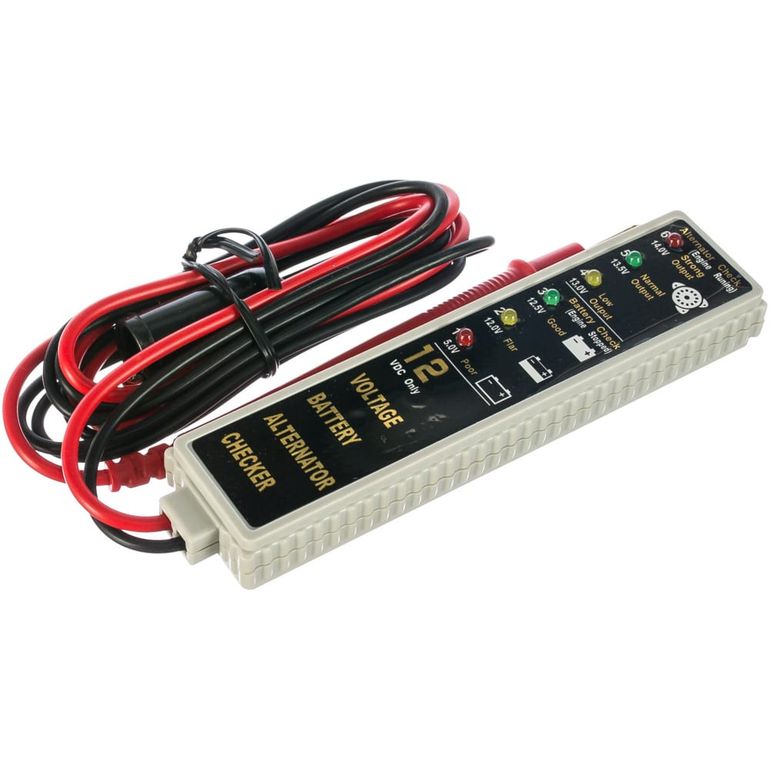
- JTC battery and alternator voltage tester
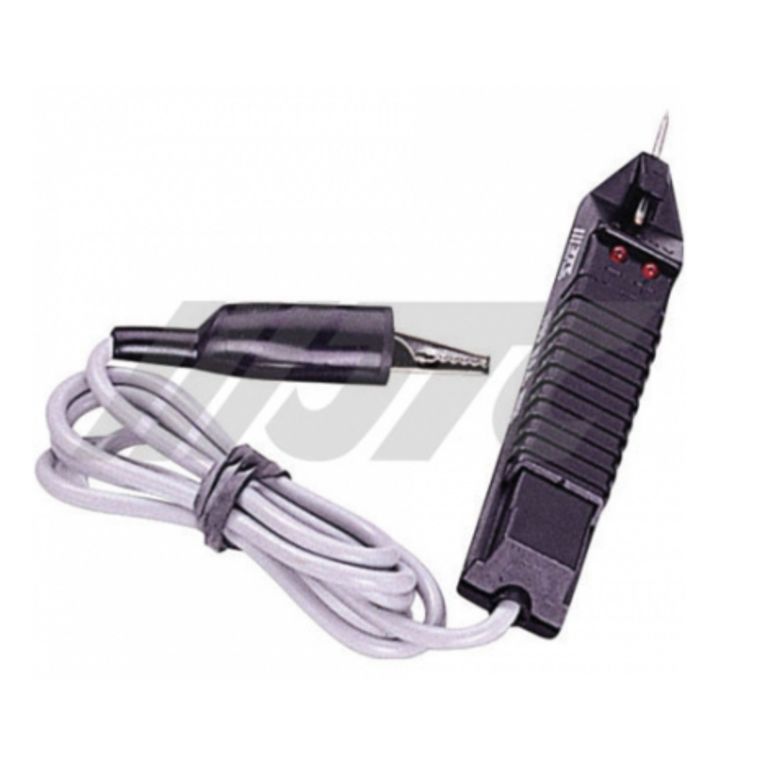
- JTC automotive circuit tester
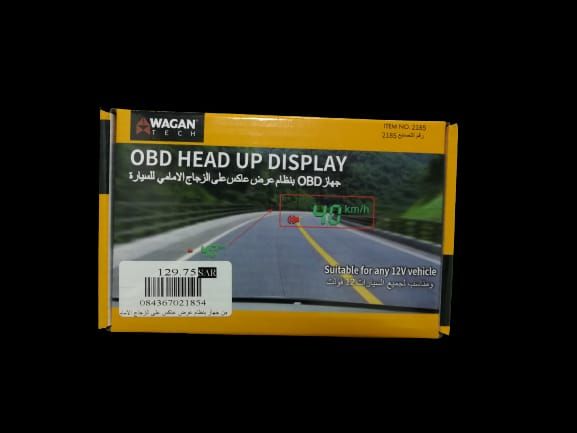
- Wagan OBD head-up display
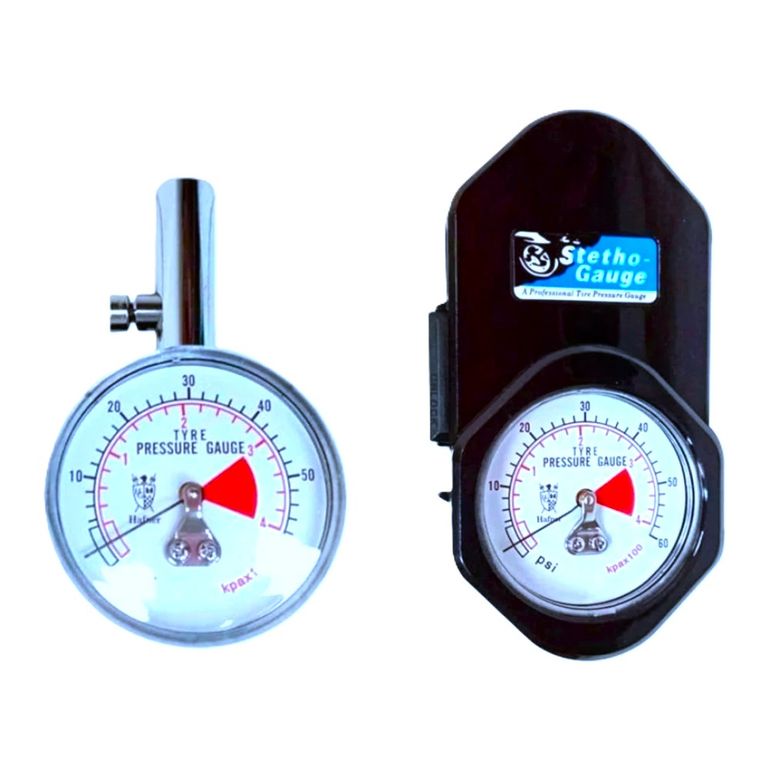
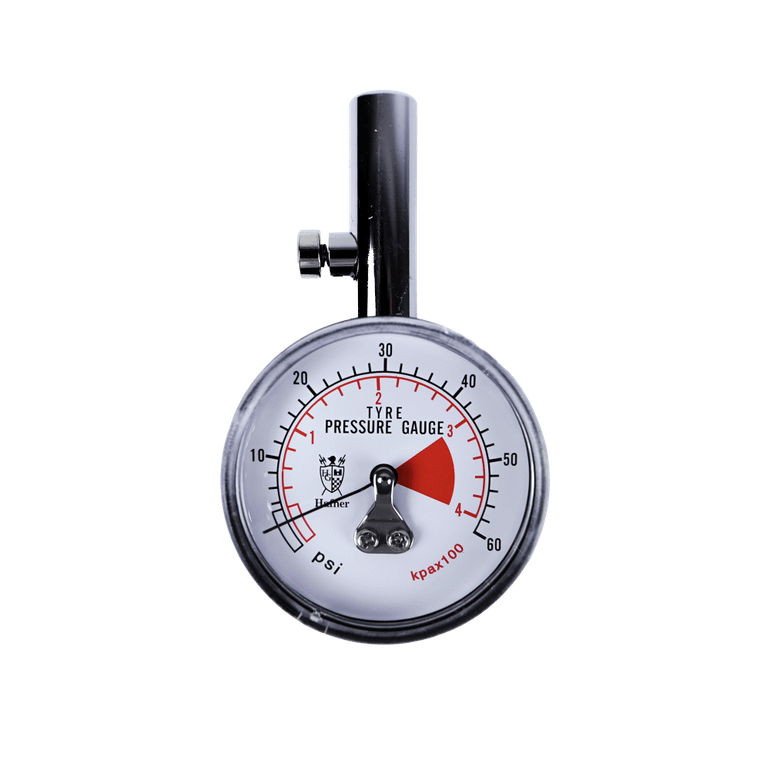
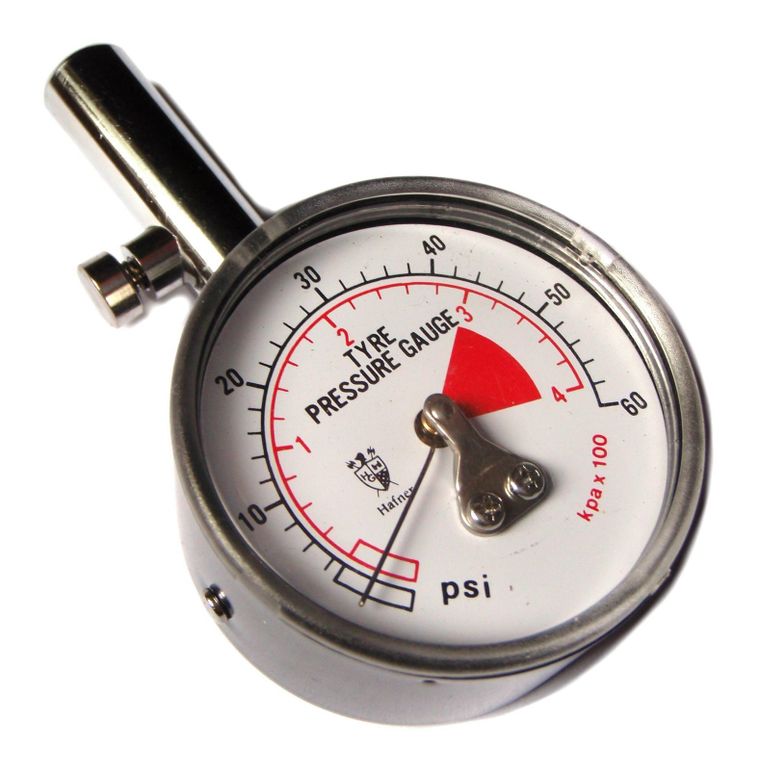
- Mobco tyre pressure gauge
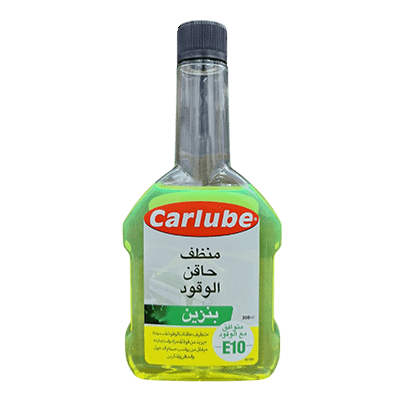
- Carlube fuel injector cleaner 300 ml
- Browse the inspection and diagnostic tools and electrical testers categories
FAQ
Can I keep driving with the Check Engine light on?
If it is steady and the car drives normally, you can drive gently until you get it scanned soon. If it is flashing, or comes with heavy shaking or a red light, pull over safely.
Does the engine light turn off by itself?
Yes, sometimes. If the cause goes away, such as a fuel cap that has been tightened, it turns off after several drive cycles. The code stays stored in memory for a while, though, and it is best to read it.
Does clearing the code with a scanner fix the fault?
No. Clearing only turns the light off temporarily, and it will come back if the fault is still there. It also erases data that helps the technician diagnose the problem.
📲 Share this article with anyone whose engine light is on and who doesn't know what it means.
🔧 CarBoost is here for you: Shop inspection and diagnostic tools in our diagnostic tools category, or book a computer scan at the CarBoost Center.