Free shipping for orders over 499 riyal


Quick answer: Engine oil approvals define the oil's quality and its ability to protect a specific engine, while viscosity (such as 5W-30) only defines how thick it is. The American API standard (its latest petrol category is SQ) suits most American and Asian cars, the European ACEA standard separates high-ash oils (A/B) from exhaust-filter-compatible oils (C), and manufacturer approvals such as dexos, Mercedes 229 and Volkswagen 504/507 are the most precise. The rule: choose the oil that carries the exact approval written in your car's owner's manual.
Oil approvals are the engineering "certificate" proving that an oil has passed tests that simulate your engine's conditions: heat, pressure, wear, deposits and compatibility with the catalytic converter and exhaust filters. That is why two oils with the same viscosity can differ a lot in protection. For the full picture of choosing an oil, start with the complete guide to choosing engine oil for Saudi weather, then come back here to understand the codes on the bottle.
The API standard (American Petroleum Institute)
A global reference widely used for American, Japanese and Korean cars, which rates oil through laboratory tests and standard engine tests.
How to read an API code
- Letter S (Service or Spark Ignition): for petrol engines, such as SN, SP and SQ.
- Letter C (Commercial or Compression Ignition): for diesel engines, such as CK-4 and FA-4.
General rule: the further the second letter is in the alphabet, the newer and stricter the standard. Newer categories are usually backward compatible, so an SP oil is fine for a car whose manual asks for SN.
The main API petrol categories
- API SN (2010): good protection against piston deposits at high temperatures, foam control and seal compatibility, with improved fuel economy in oils labelled Resource Conserving.
- API SN Plus (2018): an interim update to tackle low-speed pre-ignition (LSPI) in turbocharged direct-injection engines, by changing the detergent chemistry (less calcium and more magnesium) to protect pistons and rings.
- API SP (2020): stronger LSPI protection, timing chain protection against wear and stretch, and higher resistance to oxidation and deposits. The link between oil and turbos is explained in how to protect your turbo and avoid LSPI by choosing the right oil.
- API SQ (2025): the newest petrol category, introduced alongside ILSAC GF-7, with tighter control of deposits and cleanliness, protection for direct-injection and turbo engines, preservation of exhaust systems, and support for very low viscosities such as 0W-16 in modern and hybrid engines.
What about ILSAC?
The ILSAC standard (such as GF-6A, GF-6B and GF-7) focuses on fuel economy for low-viscosity oils and appears on the bottle as the "starburst" or "shield" symbol. Many Japanese, Korean and American cars require it.
The ACEA standard (European Automobile Manufacturers' Association)
European standards are stricter in several tests because European engines often run longer drain intervals and higher revs and loads. Their key features are the SAPS level (sulphated ash, phosphorus and sulphur) and the HTHS value (oil viscosity at high temperature and high shear).
A/B class: petrol and light diesel engines without sensitive exhaust filters
- ACEA A3/B4: a full-ash (Full SAPS) oil with high HTHS (3.5 or more), suitable for many high-performance European engines without a DPF/GPF.
- ACEA A5/B5 and A7/B7: long-drain oils with low HTHS for fuel economy; A7/B7 adds LSPI protection. Use them only in an engine designed for them.
C class: engines with a catalytic converter and DPF/GPF
- ACEA C2: mid ash (Mid SAPS) with low HTHS, common in some modern French and Japanese cars.
- ACEA C3: mid ash with high HTHS (3.5 or more), the most common for modern European turbo and diesel engines.
- ACEA C5 and C6: mid ash with very low HTHS for fuel economy; C6 adds LSPI protection, and they are required by modern engines using viscosities such as 0W-20.
Using a high-ash oil in a car that needs a C-class oil speeds up clogging of the DPF and catalytic converter, as explained in how to protect your catalytic converter and DPF from clogging.
Manufacturer approvals (OEM approvals)
Many car makers run their own tests based on their engine designs and alloys, and grant an official "approval" to oil companies that pass them. There is an important difference here: Approved means the oil officially passed the test, while Meets or Recommended for is the oil company's own claim of compliance without official approval.
General Motors: dexos
- dexos1 Gen 3: for petrol engines in Chevrolet, GMC and Cadillac, with a strong focus on preventing LSPI, turbo cleanliness and resistance to high-temperature deposits.
- dexosD: for modern light-duty diesel engines, with ash control to protect the DPF; it replaced the older dexos2.
Mercedes-Benz: the sheet number system
- MB 229.5: a full-ash oil for extended service intervals, for petrol and diesel engines without a DPF.
- MB 229.51 and 229.52: low- to mid-ash oils for engines with DPF/GPF filters; 229.52 is the stricter of the two.
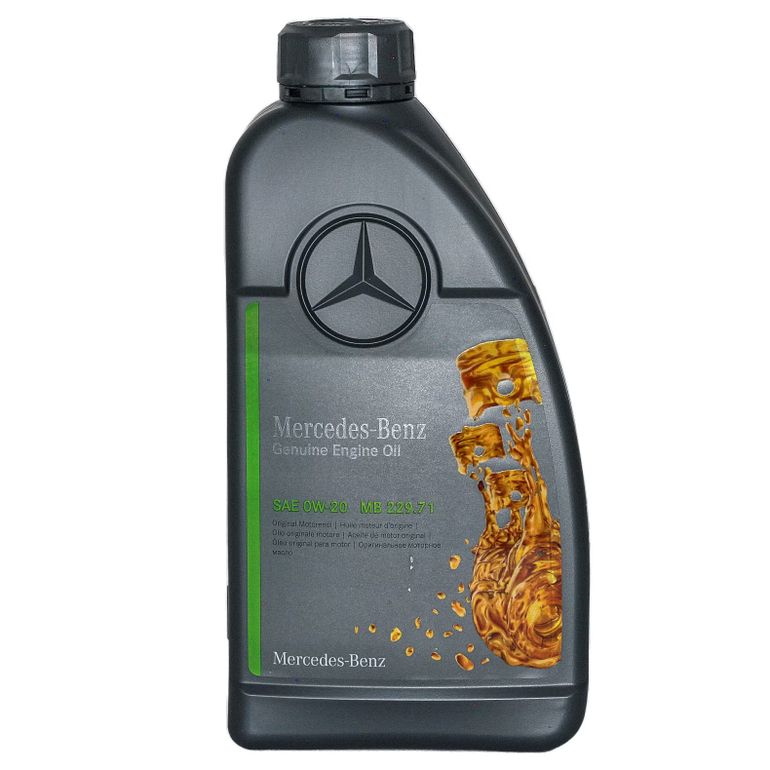
- MB 229.71: 0W-20 viscosity for newer Mercedes engines that require it.
Other common European approvals
- Volkswagen and Audi: VW 502.00/505.00 for older engines, VW 504.00/507.00 for modern engines with long service intervals and exhaust filters, and VW 508.00/509.00 for modern 0W-20 oils.
- BMW: BMW Longlife-01 for older engines, and Longlife-04 for engines with exhaust filters.
Summary comparison table
Approval type | Issued by | Main focus | Examples |
API | American Petroleum Institute | Protection from wear, deposits and LSPI, plus fuel economy | SN, SP, SQ for petrol; CK-4 for diesel |
ILSAC | American and Japanese car makers | Fuel economy for low viscosities | GF-6A, GF-6B, GF-7 |
ACEA | European Automobile Manufacturers' Association | Thermal durability, long drain intervals and exhaust filter protection | A3/B4, C2, C3, C6 |
OEM | The car manufacturer | Tests specific to the brand's engines | dexos1 Gen 3, MB 229.51, VW 504.00, BMW LL-04 |
How to choose the right oil in practice
- Open the owner's manual and find the "Engine Oil" section: you will see the required viscosity and approval.
- If the manual lists a manufacturer approval (such as dexos1 or VW 504.00), that comes first, before API and ACEA.
- Make sure the bottle carries that same approval or a newer one, not just the viscosity.
- Buy from a trusted source, because codes are printed on counterfeit oils too.
Why does following the manufacturer's recommendation matter so much? The detailed answer is in why you should follow the manufacturer's recommendations when choosing engine oil.
Recommended products from CarBoost
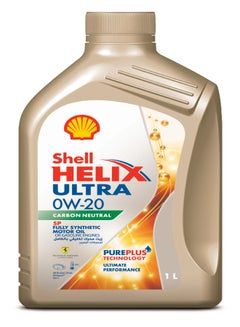
- Shell Helix Ultra 0W-20 SP
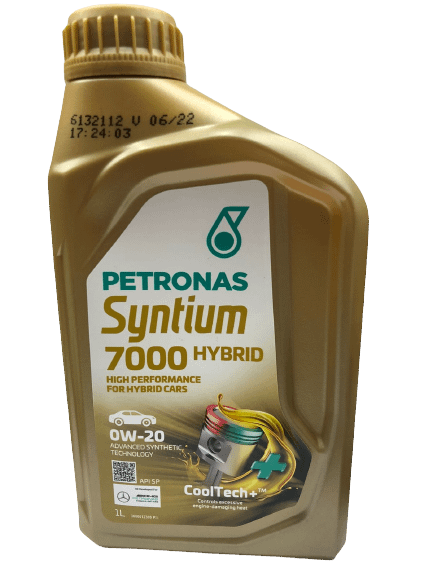
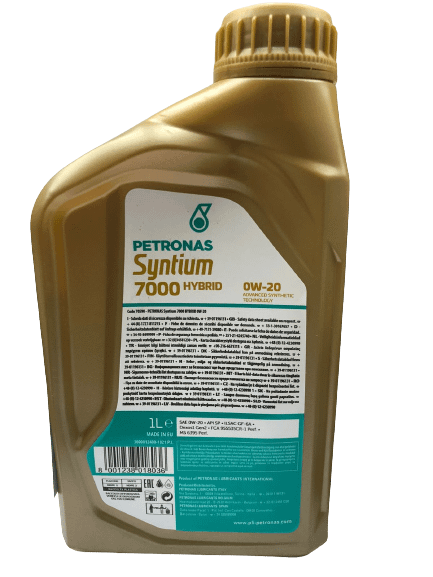
- PETRONAS Syntium 7000 Hybrid 0W-20 SP
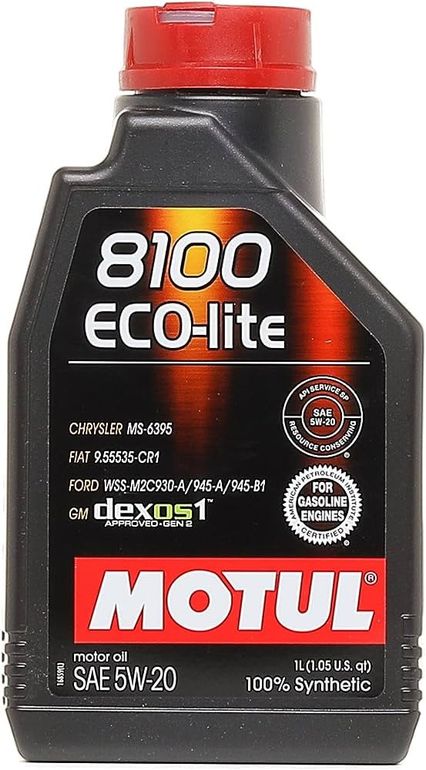
- Motul 8100 ECO-lite 5W-20 DX1
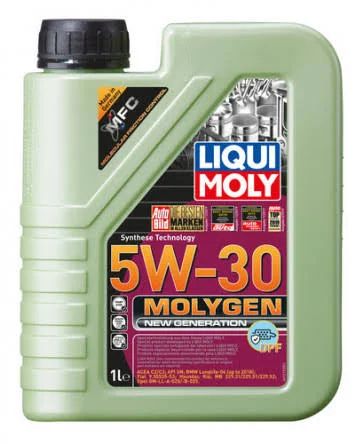
- LIQUI MOLY Molygen 5W-30 C2/C3
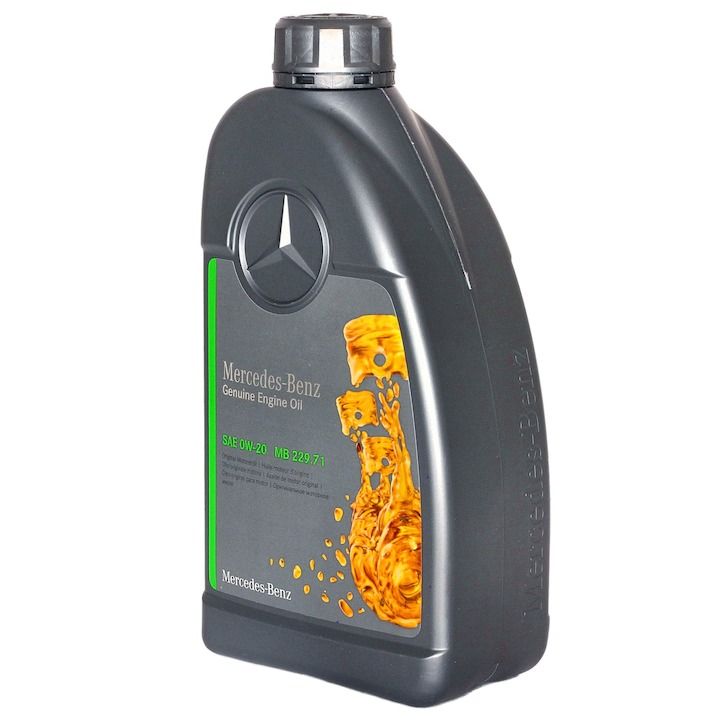
- Mercedes-Benz genuine 0W-20 engine oil
- Browse the engine oils and genuine dealer oils categories
FAQ
Is API SP oil suitable for a car whose manual asks for SN?
Yes, API petrol categories are usually backward compatible, and SP offers higher protection. Still stick to the required viscosity and any manufacturer approval listed in the manual.
What is the difference between ACEA C3 and A3/B4?
Both have high HTHS viscosity, but C3 is mid ash and compatible with DPF/GPF filters, while A3/B4 is full ash for engines without them.
Is a manufacturer approval more important than API?
If your manual requires a specific approval such as dexos1 or MB 229.51, it matters most because it includes tests specific to your engine, and it may affect your warranty.
📲 Share this guide with anyone confused by the codes on oil bottles!
🔧 CarBoost at your service: Shop approved engine oils (API SP/SQ, ACEA, dexos and MB) at the CarBoost store, or book an oil change at the CarBoost center.