Free shipping for orders over 499 riyal



Quick answer: In the code 5W-30, 5W refers to how easily the oil flows at a cold start (the lower the number, the faster it reaches engine parts), and 30 refers to the oil's thickness at the operating temperature of 100°C. So 5W40 is thicker than 5W30 when hot, 10W40 is slightly slower at start-up, and 20W50 is the thickest common grade, intended for old engines. The right viscosity is the one your owner's manual specifies.
How to read the viscosity number
Part | Meaning | Example |
The number before W | Oil performance at a cold start (W = Winter). Lower = faster flow | 0W flows faster than 5W, and 5W faster than 10W |
The number after the dash | Oil thickness at operating temperature (100°C). Higher = thicker film | 40 is thicker than 30, and 50 thicker than 40 |
An important point: a "cold start" doesn't only mean freezing weather; any start after the car has been parked for hours counts as cold, and that is when most engine wear happens. That is why a low number before the W is useful even in Saudi Arabia.
The difference between the most common grades
5W30: the most widely used
- Fast flow at start-up and a medium-thickness film.
- Suitable for most modern Japanese, Korean and American cars, and many European ones. To compare the popular brands, read Best 5W30 oil: brand comparison.
- Browse 5W-30 oils.
5W40: more protection for European and turbo engines
- The same start-up flow, but a thicker film at high temperatures.
- Common in Mercedes, BMW, Volkswagen and high-performance engines, provided the manufacturer's approval appears on the bottle.
- Browse 5W-40 oils.
10W40: for older and high-mileage cars
- Slightly slower at start-up, and usually semi-synthetic.
- Suits older cars whose manuals specify it, and some high-mileage engines.
- Browse 10W-40 oils.
20W50: for very old engines
- The thickest of the common grades, and the slowest to flow at start-up.
- For old engines with wide clearances and some older diesels.
- Don't put it in a modern engine designed for 0W-20 or 5W-30; it can weaken lubrication at start-up, raise fuel consumption and affect variable valve timing systems.
- Browse 20W-50 oils.
Quick comparison table
Viscosity | Flow at start-up | Thickness when hot | Usually suits |
0W-20 | Excellent+ | Light | Modern Toyota, Lexus, Honda and hybrids |
5W-30 | Excellent | Medium | Most modern cars |
5W-40 | Excellent | High | European and turbo engines |
10W-40 | Good | High | Older cars |
20W-50 | Slow | Very high | Very old engines |
Should I go thicker because of the Saudi heat?
No, unless your owner's manual lists an alternative viscosity for hot climates. Modern synthetic oils are designed to hold their thickness at high temperatures. And if your engine burns oil after high mileage, read this first: Should you increase oil viscosity after 100,000 km?
Viscosity alone is not enough
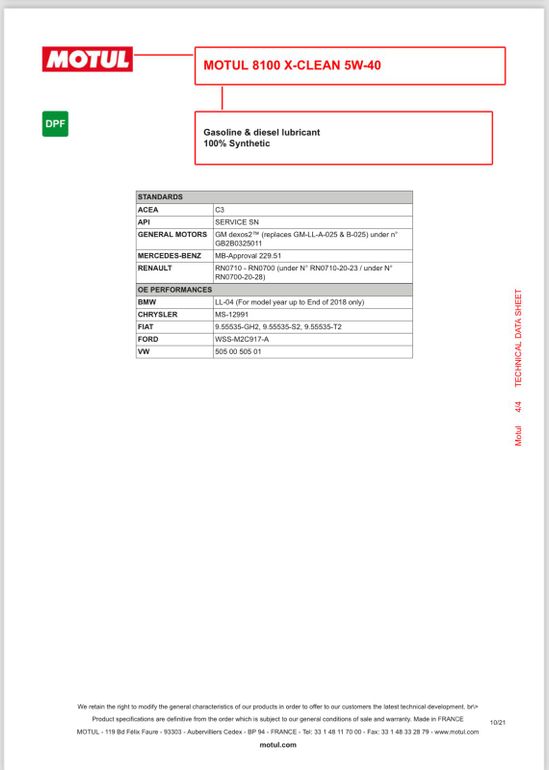
Two oils with the same 5W-30 viscosity can differ in specification: one for Asian gasoline engines (API SP) and another for a European diesel engine with a particulate filter (ACEA C3). Check the required specification in our engine oil specifications guide, and for the full steps read how to choose the right engine oil for your car.
Recommended products from CarBoost
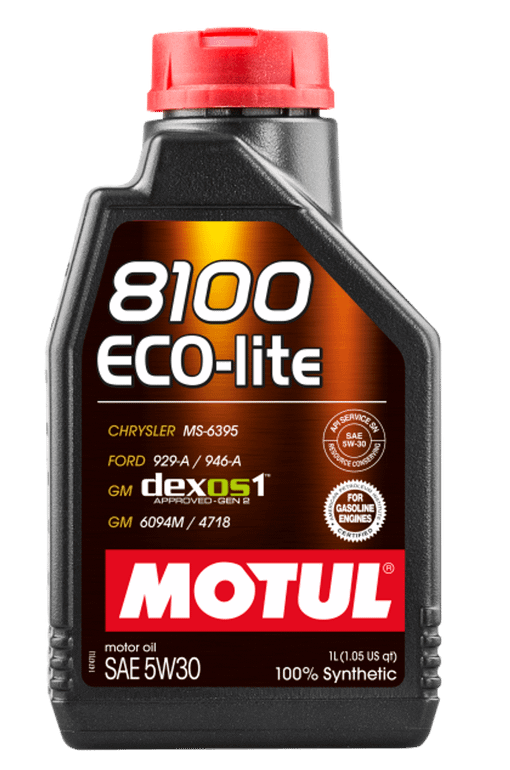
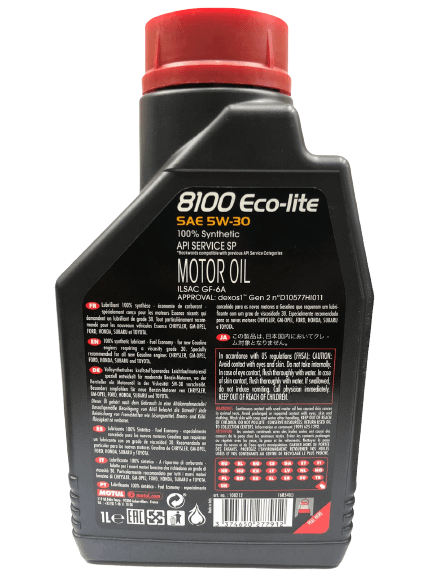
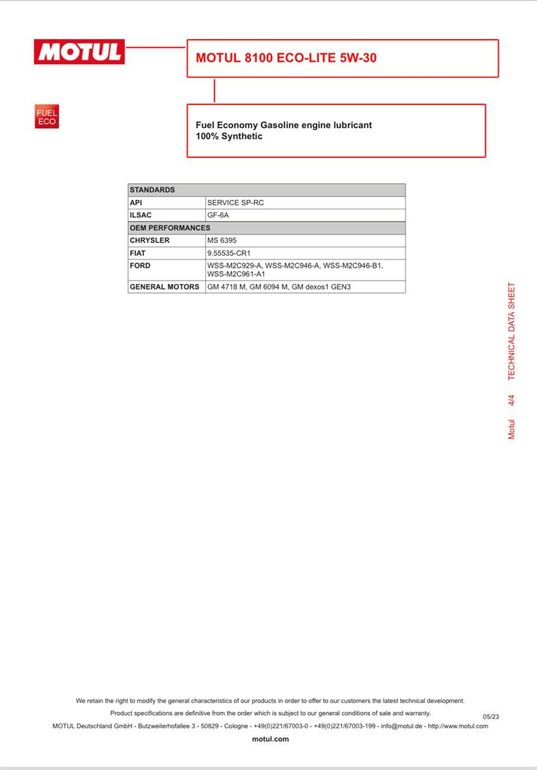
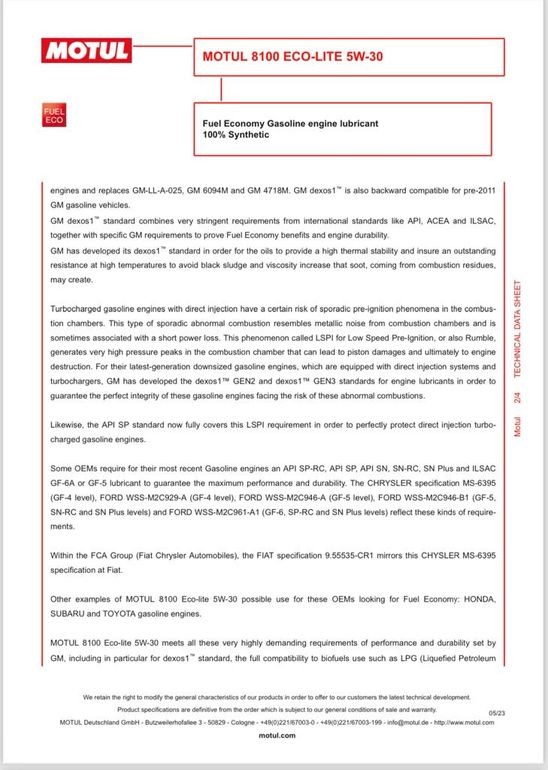
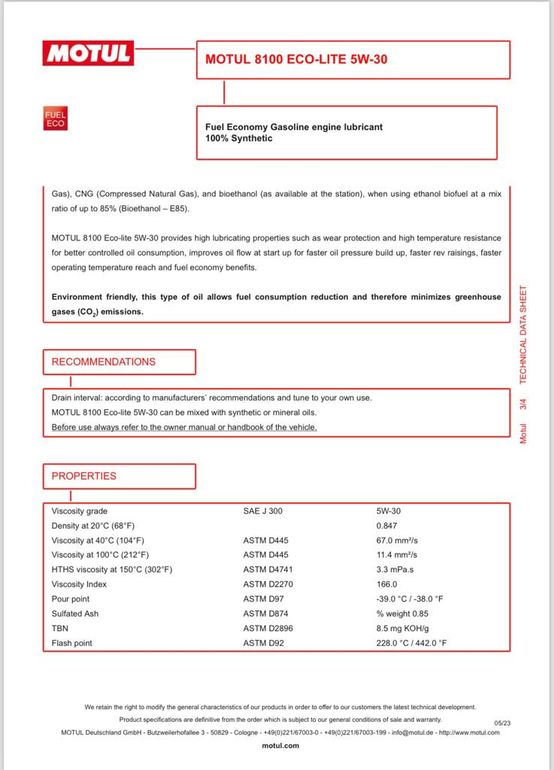
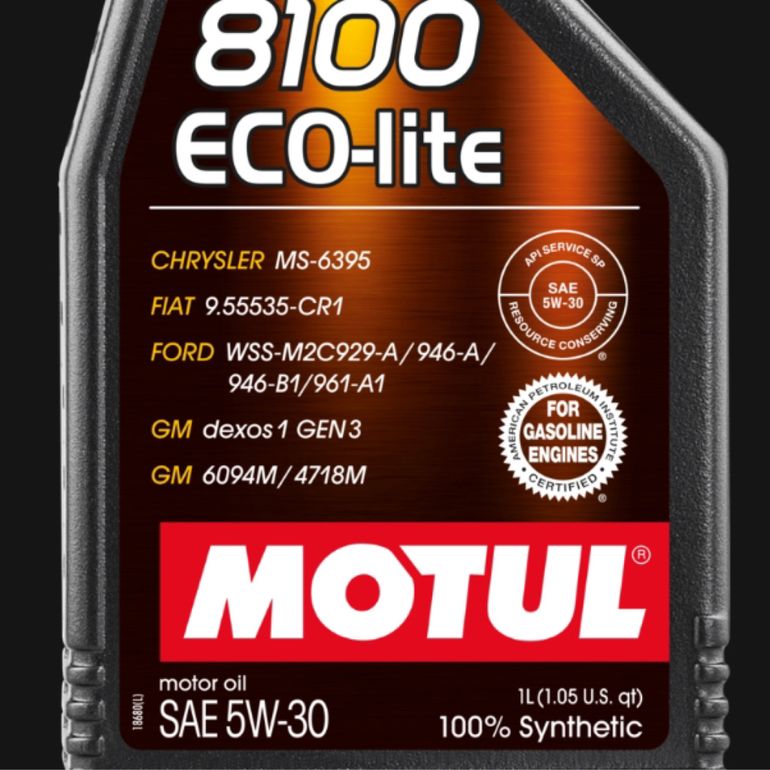
- 5W-30: Motul 8100 Eco-lite 5W-30 fully synthetic
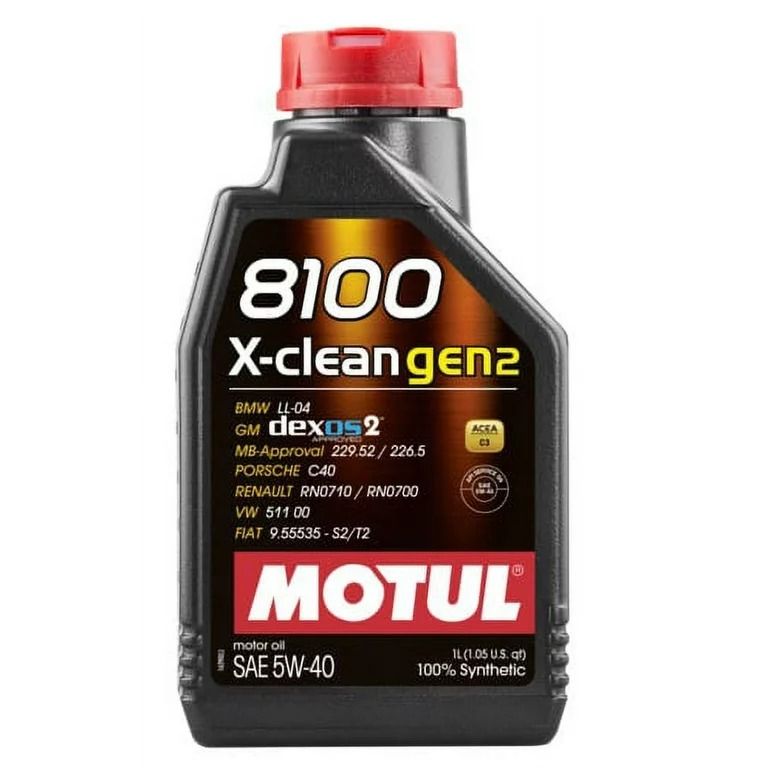
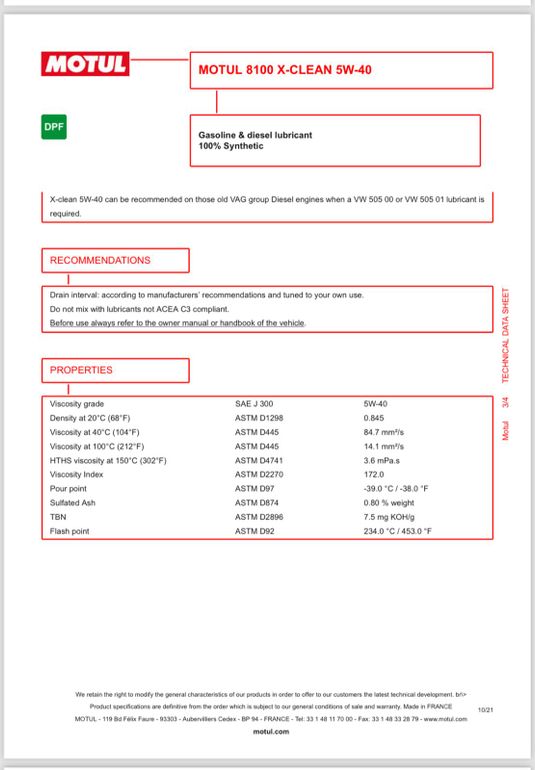
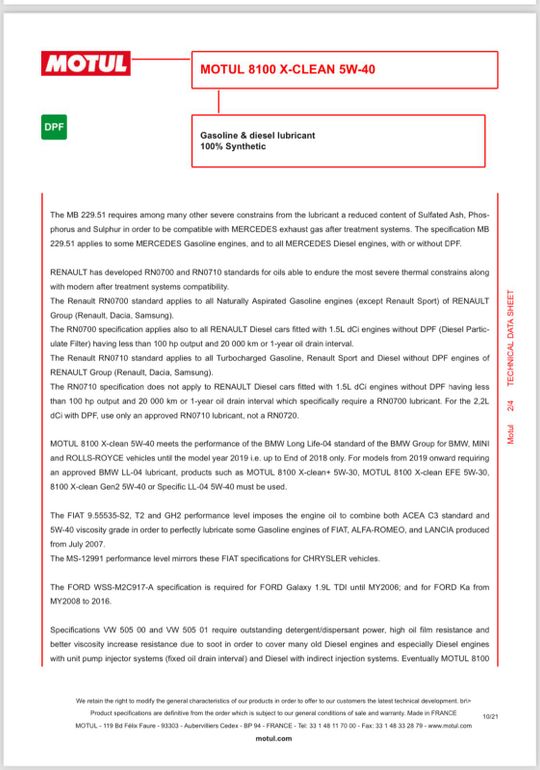
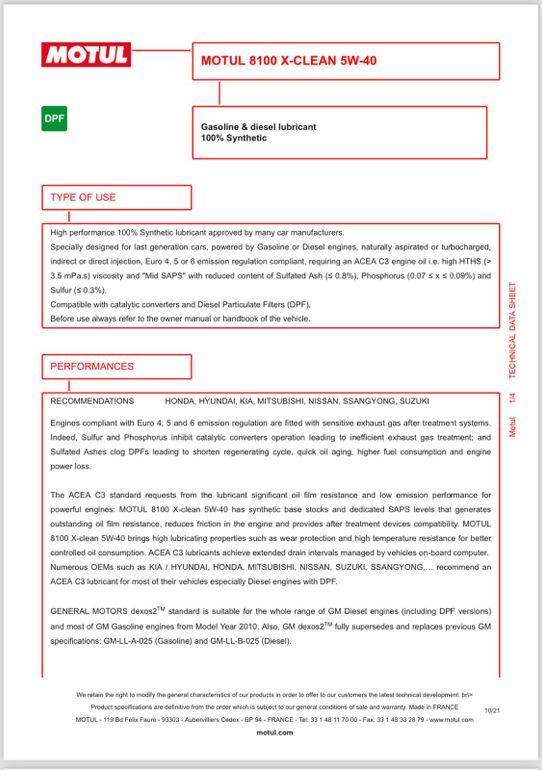
- 5W-40: Motul 8100 X-clean 5W-40 C3
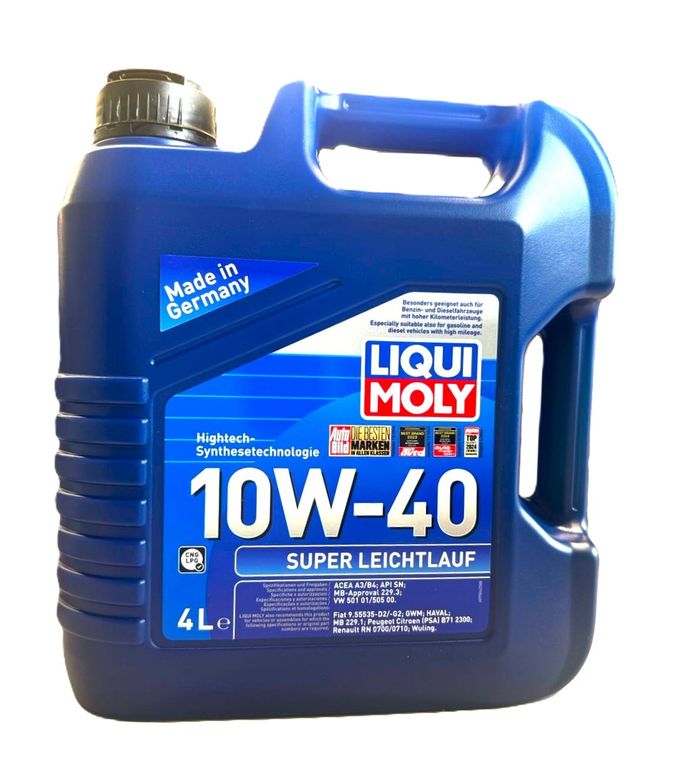
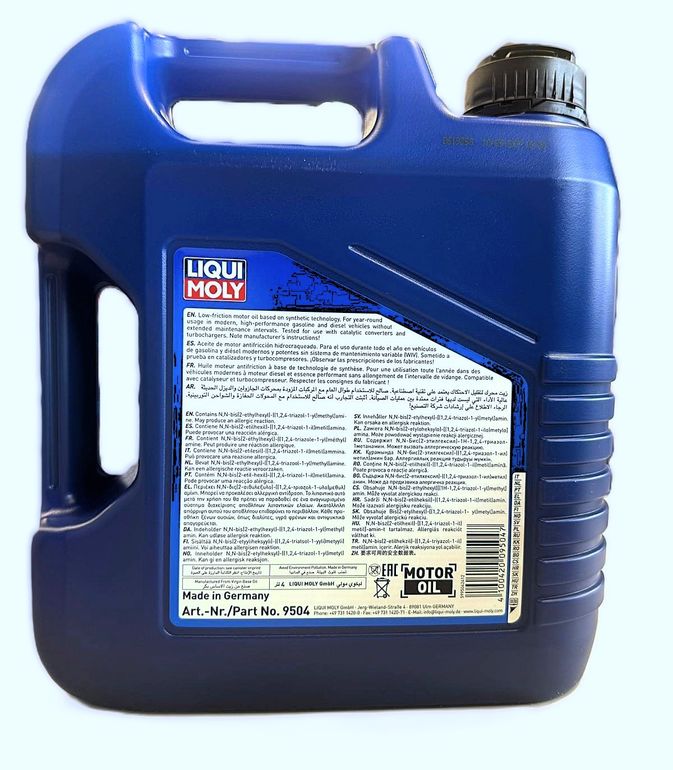
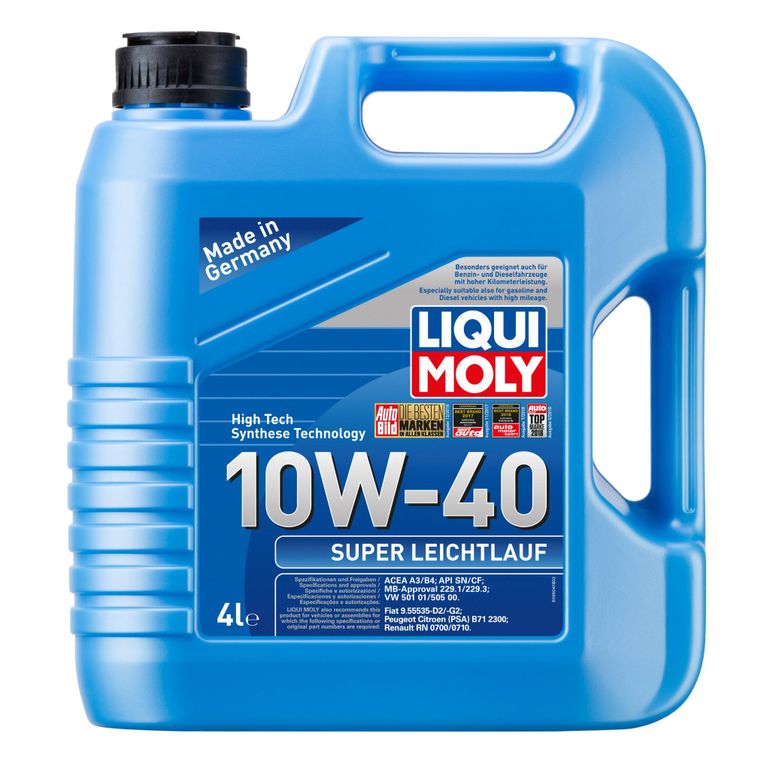
- 10W-40: Liqui Moly Super Leichtlauf 10W-40 – 4 L
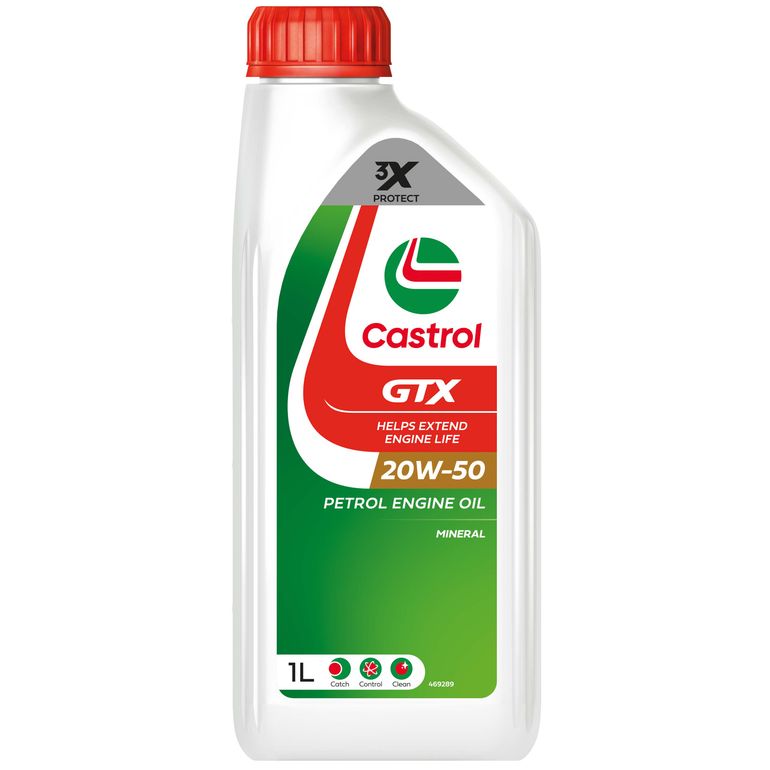
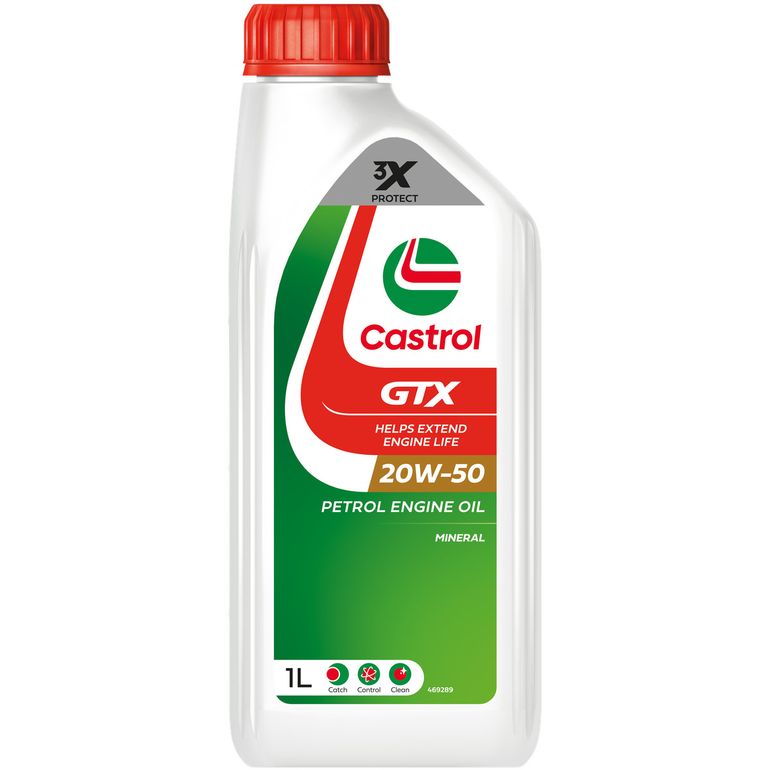
- 20W-50: Castrol GTX 20W-50 mineral
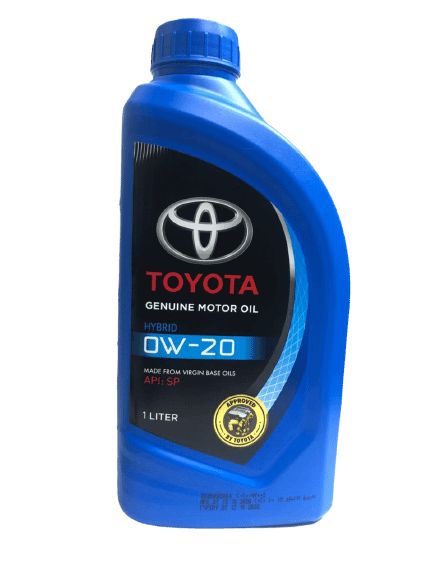
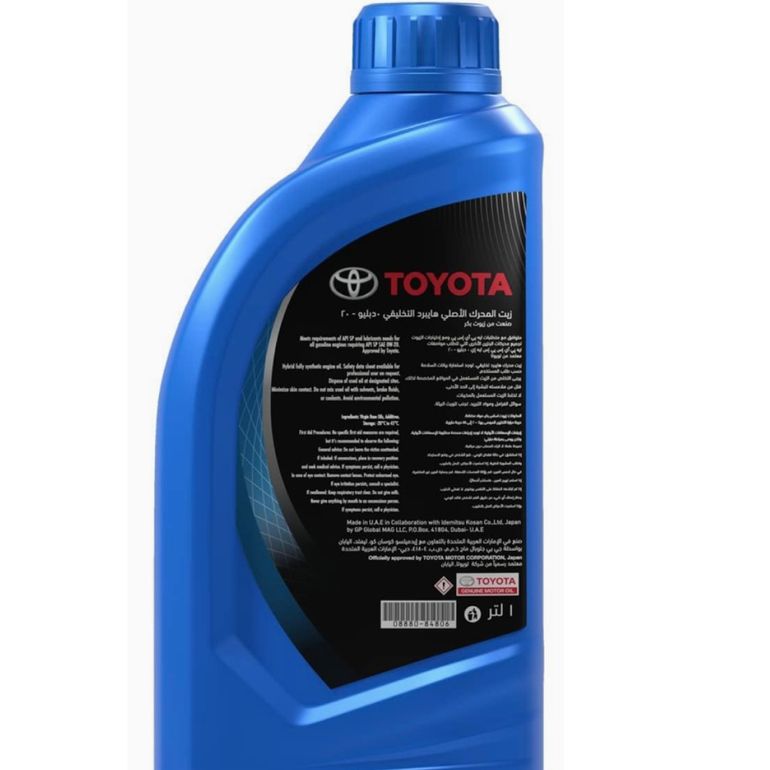
- 0W-20: Toyota 0W-20 Hybrid API SP
- Browse the categories: all engine oils and 0W-20 oils
FAQ
Can I mix 5W30 with 5W40?
In an emergency, to top up a small shortfall, it's fine, but it is better to stick to one viscosity and do a full oil change as soon as possible.
What is the difference between 5W30 and 10W30?
Both have roughly the same thickness when hot, but 5W30 flows faster at start-up, so it protects the engine better in the first seconds after starting.
My car calls for 0W-20. Can I use 5W-30?
We don't recommend it without the manufacturer's approval; modern engines designed for 0W-20 rely on a thin oil for their valve timing systems and fuel economy.
📲 Send this table to anyone who asks: "What's the difference between 5W30 and 5W40?"
🔧 CarBoost at your service: Shop engine oils by viscosity with delivery across the Kingdom, or book an oil change at the CarBoost service center.