Free shipping for orders over 499 riyal



Quick answer: Counterfeit oils are usually poor or recycled base oils with no real additive package, and counterfeit filters come with weak media and poor valves and seals. The result is rapid wear, deposits and low oil pressure, which can end in an engine rebuild. To protect your car: buy from an authorised store or distributor, check the bottle, seal, barcode and batch number, compare the price with the market, and avoid deals that look "too cheap to be true." The oil's smell and colour alone are not enough to judge it.
With so many sources of parts and consumables, many drivers fall into the trap of "false savings": a lower price today in exchange for a huge repair bill later. Counterfeit oils and filters are especially dangerous because they work inside the engine, out of sight, so the problem only shows after the damage is done. In this guide we explain how they cause harm and how to spot them before you buy.
How does counterfeit oil damage your engine?
Counterfeit oil is usually made from cheap base oils or crudely re-refined used oil, then filled into bottles that look like well-known brands. Sometimes it is an oil with a completely different viscosity or specification from what the label says.
- No additive package: genuine oil contains detergents, dispersants, antioxidants, anti-wear agents (such as ZDDP zinc compounds) and viscosity improvers. Counterfeit oil lacks most of them or contains very weak amounts.
- Viscosity breakdown and rapid oxidation: under normal operating heat in Saudi conditions, poor oil oxidises quickly and thins out, weakening the protective film between metal parts.
- Deposits and sludge: oxidised oil turns into sticky deposits that block the oil passages and the pump pickup screen, reducing oil flow to the crankshaft, camshafts and bearings, and it can end in engine seizure.
- Wrong specification: even if the oil is not fully "fake," using the wrong specification harms turbo and direct-injection engines in particular, as we explained in why you should follow the manufacturer's oil recommendations.
Counterfeit filters: the danger you can't see
Counterfeit oil filters
- Weak filter media: it tears or collapses under oil pressure and heat, so contaminants, or pieces of the media itself, pass into the fine oil passages.
- Poor or missing anti-drain-back valve: this rubber valve stops oil draining out of the filter when the engine is switched off. If it is poor quality, it hardens or cracks, and the engine runs for a few seconds without enough oil at every start, the moments of highest wear.
- Incorrect bypass valve: if it opens too early, oil passes unfiltered; if it fails to open when the filter is clogged, oil flow can be cut off.
- Weak O-ring and housing: oil may suddenly leak while driving, which can drain the engine within minutes.
Counterfeit air filters
- Dust ingestion: large pores or poorly sealed edges let fine sand pass straight into the cylinders.
- Internal wear: sand acts like "sandpaper" on cylinder walls and piston rings, damages turbo blades and contaminates the air flow sensor. This also applies to counterfeit performance filters, so see how to verify a genuine BMC filter before buying.
Signs that help you spot a fake
Check point | Genuine product usually | Warning signs |
Bottle and printing | Clear, sharp printing; sturdy, clean plastic | Faded colours, spelling mistakes, plastic flash, crooked or peeling label |
Seal and cap | Tight seal under the cap and an intact safety ring | Missing or punctured seal, cap turns too easily or shows signs of opening |
Barcode and batch number | Printed batch number and production date, and a working verification code where the brand offers one | Missing batch number or one printed on a sticker, QR code that doesn't open the official site |
Price | Close to market and authorised-dealer prices | Much cheaper, unrealistically so |
Oil filter | Proper weight, flexible O-ring, clear stamped or printed part number | Very light, hard O-ring, thin or poorly welded base plate |
Where you buy | Authorised store or distributor that issues an invoice | Unknown seller or random deals with no invoice |
Important note: oil colour and smell are not sufficient evidence; some genuine oils are dark or tinted, and some fakes are clear gold. A trusted source and an intact bottle are what count. And if your oil turns black quickly, that does not necessarily mean it is fake, as we explained in why engine oil turns black after 1,000 km.
The numbers: false savings vs. the cost of failure
- Saving from buying counterfeit oil and filter: approximately 50 to 150 riyals per oil change.
- Engine rebuild: may cost approximately 6,000 to 15,000 riyals depending on the car.
- Engine replacement: may exceed approximately 10,000 to 30,000 riyals or more depending on the vehicle.
Prices are as of the time of writing and may change.
In other words, a small saving can put the value of the whole engine at risk. Just as important is sticking to the right change interval; see how many kilometres engine oil lasts.
How to protect yourself from fraud
- Buy from an authorised source: a well-known store or service centre that deals with authorised agents and distributors and issues an invoice.
- Keep the bottle and the invoice: useful for any problem or warranty claim.
- Match the part number: for filters, check the part number against the owner's manual or the VIN.
- Inspect the old filter at each change: torn media or metal particles are a sign worth investigating.
- Watch for symptoms: louder engine noise on cold starts, the oil pressure warning light, or abnormal oil consumption.
How CarBoost handles authenticity
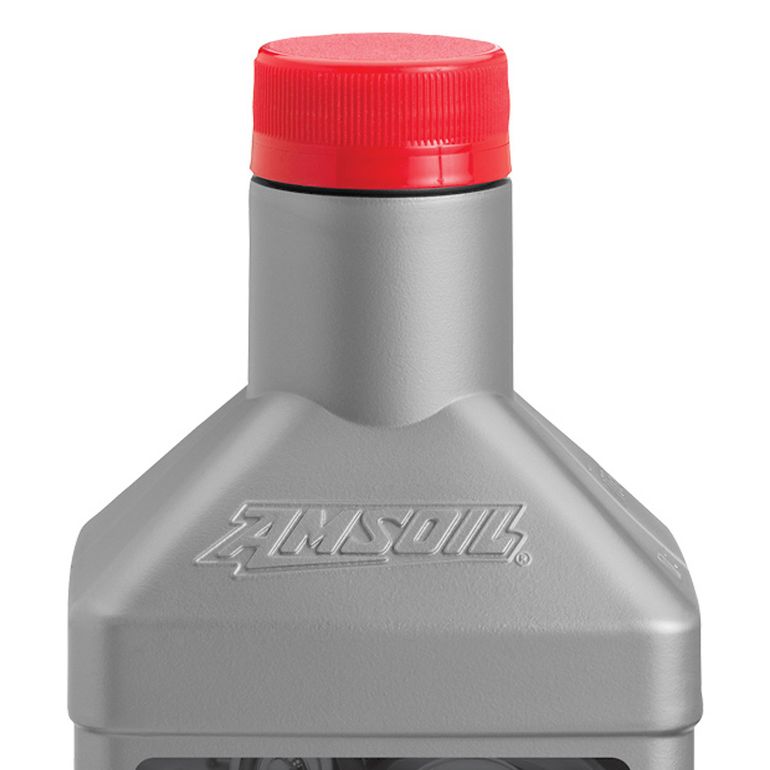
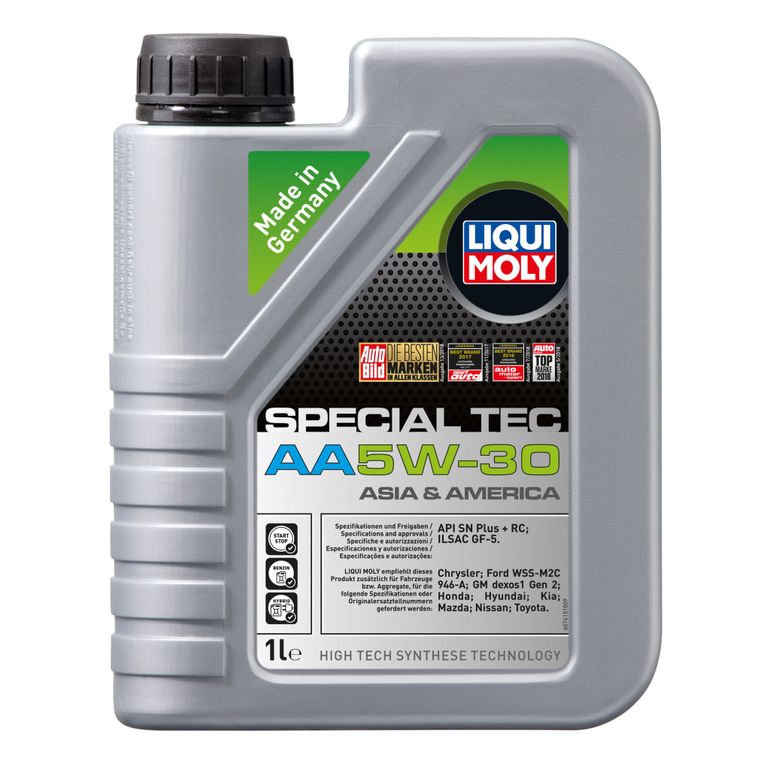
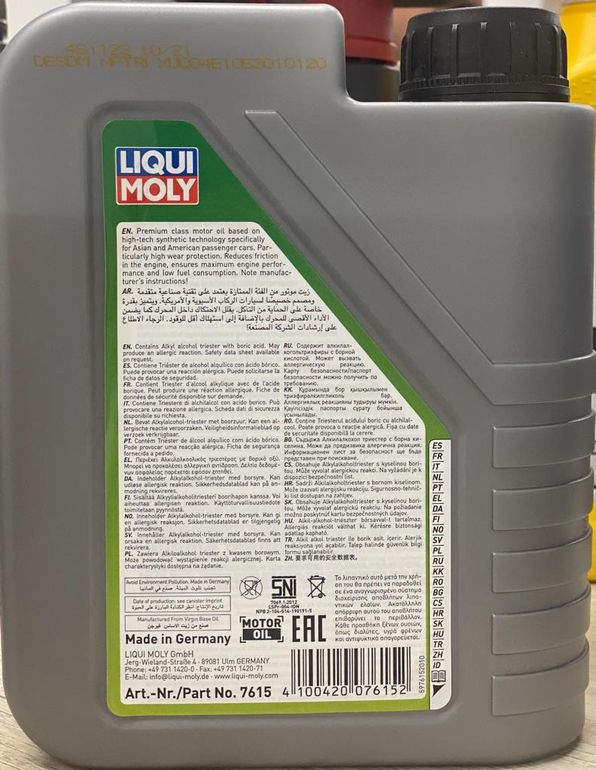
At CarBoost we make a point of sourcing oils and filters through authorised channels for well-known brands such as AMSOIL, Liqui Moly and Motul, as well as genuine parts from car manufacturers, and we match the part number to your car before fitting. When you change your oil at the CarBoost service center, our technicians check fluid levels, the condition of the air filter and any leaks.
Recommended products from CarBoost
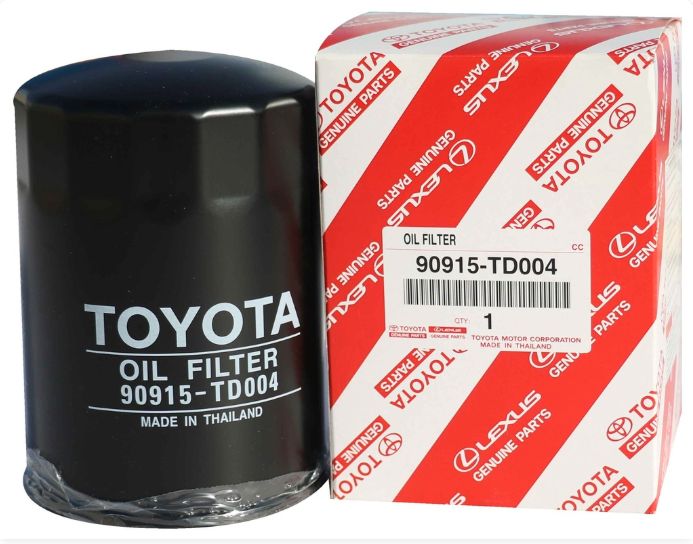
- Toyota Genuine Oil Filter 90915-TD004
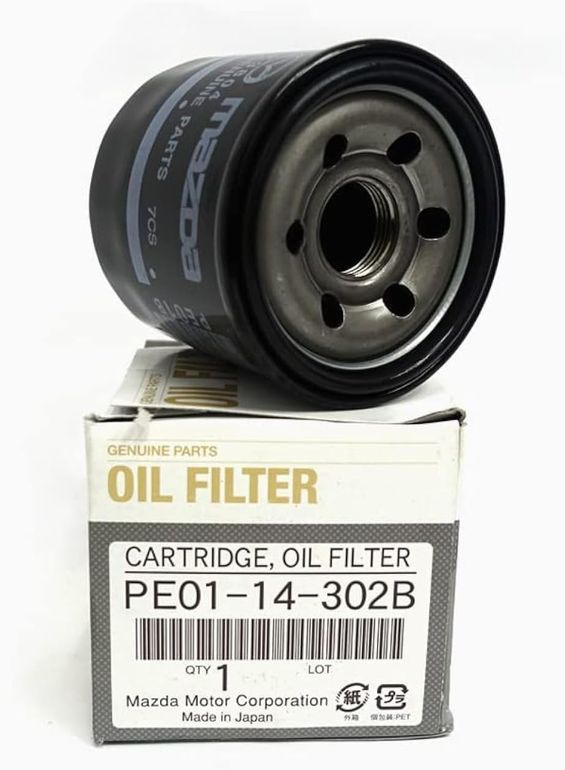
- Mazda Genuine Oil Filter PE01-14-302B
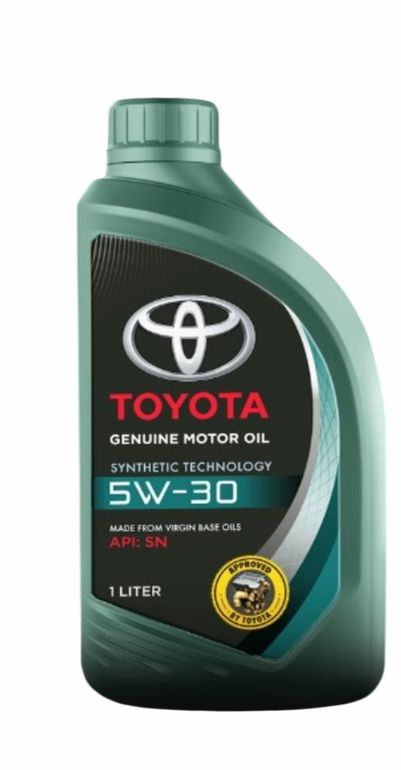
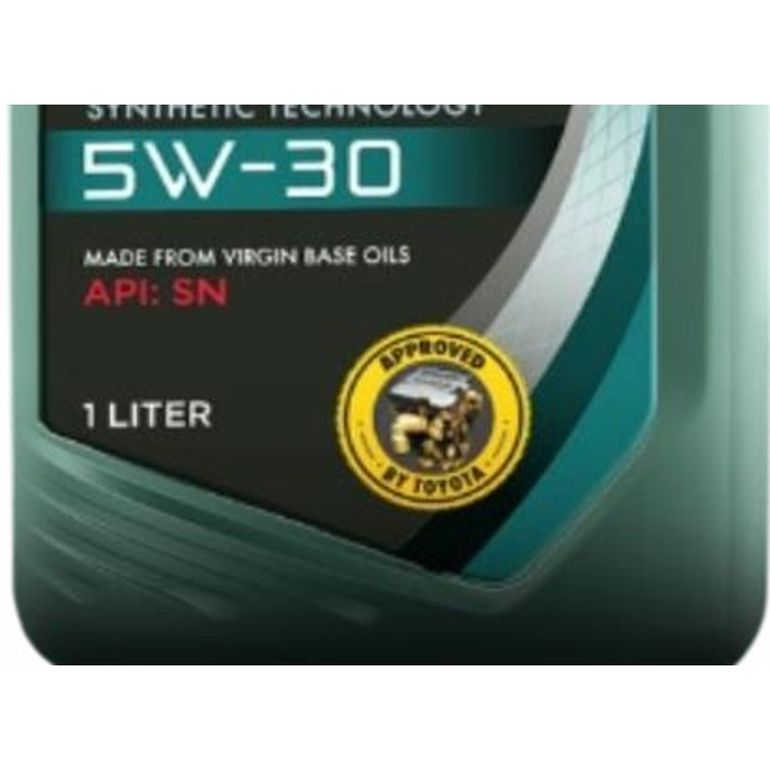
- Toyota 5W-30 Synthetic Technology Oil 1L
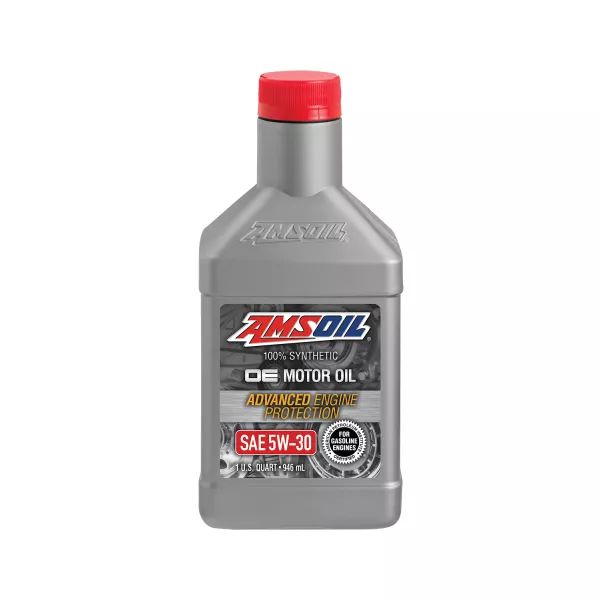
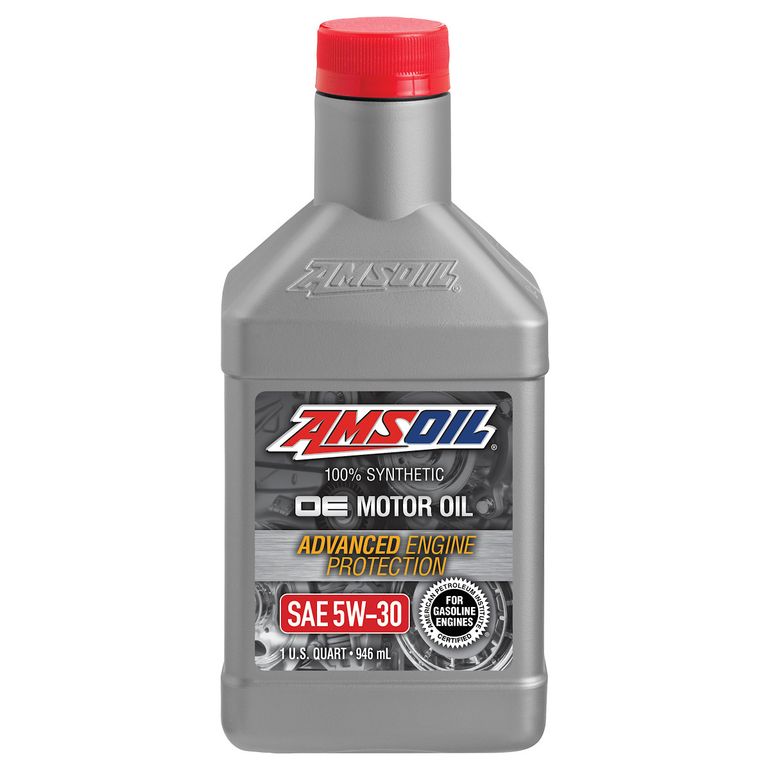
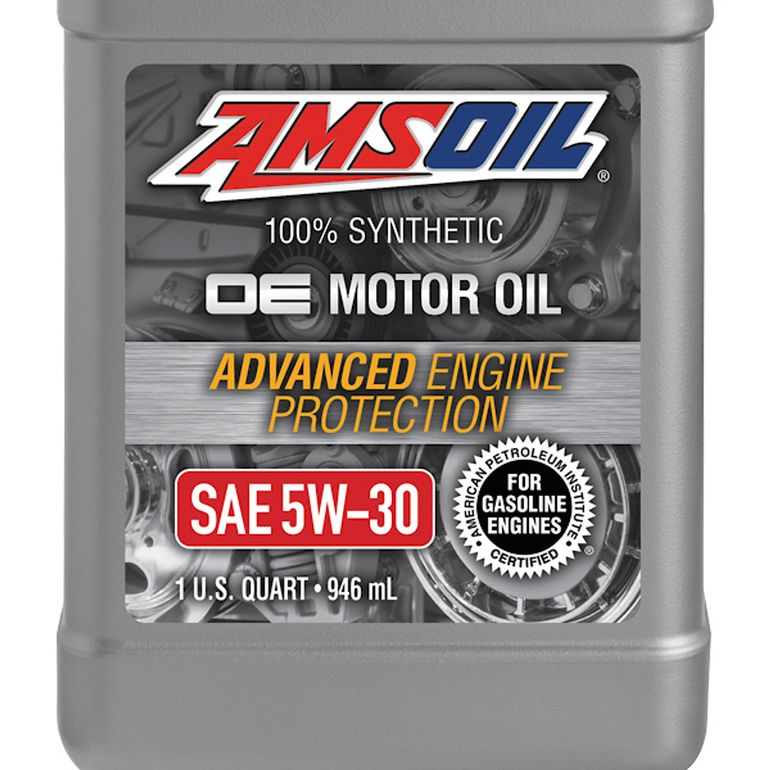
- Amsoil OE 5W-30 Full Synthetic
- Liqui Moly Special Tec AA 5W-30
- Oil filters
- Genuine dealer oils
FAQ
How can I tell if engine oil is genuine or fake?
Start with the source: buy from an authorised distributor. Then check the seal under the cap, the print quality, the batch number and production date, and the verification code if there is one. A price far below the market is a warning sign.
Is an aftermarket oil filter better than the genuine one?
Aftermarket filters from well-known brands can be good if they meet the specification, but a filter of unknown origin is a risk. A genuine filter or one from a trusted brand is the safe choice.
What are the symptoms of using counterfeit oil?
You may notice louder engine noise (ticking), especially at start-up, oil darkening and thickening unusually fast, high oil consumption, or the oil pressure warning light. If you see any of these signs, have the car checked straight away.
📲 Share this article with family and friends before their next oil change!
🔧 CarBoost is here for you: shop genuine oils and filters in our engine oils section, or book an oil and filter change at the CarBoost service center.