Free shipping for orders over 499 riyal



Quick answer: In gasoline direct injection (GDI) engines, fuel is sprayed straight into the cylinder, so it never passes over the intake valves to wash them as it does in older engines. Oil vapor from the PCV system sticks to the valves and bakes into hard carbon. Over the kilometers the result is lost torque, rough idle and misfires. The most effective fix for heavy buildup is walnut blasting, while prevention comes down to a suitable modern-spec oil and a healthy crankcase ventilation system.
Gasoline direct injection (GDI) lets manufacturers get more power out of small engines, especially with a turbo, while cutting fuel use and emissions. But this efficiency has a hidden cost inside the intake ports: many owners notice, after moderate mileage (often from 60,000 km upward, depending on the engine and driving style), a gradual loss of torque and a rough idle, sometimes with no clear fault code at first.
Why do GDI engines build up more carbon than older engines?
- Port fuel injection (PFI / MPFI): Fuel is sprayed into the intake port onto the back of the intake valves before entering the combustion chamber. The fuel and its detergents keep washing the valves, so deposits don't get a chance to stick.
- Direct injection (GDI): Fuel is sprayed inside the cylinder at very high pressure, so it never touches the intake valves and they get no automatic cleaning.
How does the carbon form?
While the engine runs, oil vapor leaves the crankcase through the ventilation system (PCV) and is routed back into the intake; some engines also add recirculated exhaust gas (EGR). When these oily vapors hit the hot intake valves, they bake into hard carbon layers that thicken over time. Things that make it worse: high-volatility or old oil, frequent short trips where the engine never fully warms up, and a faulty PCV valve or oil separator.
Some modern engines combine direct and port injection (such as the D-4S system on a number of Toyota and Lexus engines). These are much less prone to the problem because the port injector keeps washing the valves.
Symptoms of carbon buildup on intake valves
Symptom | Mechanical cause |
Gradual loss of torque and acceleration | Narrowed intake ports and less air entering the cylinder |
Rough idle and shaking at a stop | Disturbed airflow and an uneven mixture between cylinders |
Misfires, especially on cold start | Disrupted airflow and, in severe cases, a valve that doesn't seal fully |
Higher fuel consumption | Lower combustion efficiency and the ECU compensating for it |
Check Engine light with misfire (P0300–P0306) or mixture codes | The problem has grown enough for the ECU to detect it |
Note: these symptoms overlap with worn spark plugs and coils or a dirty airflow sensor, so rule those out first. You'll find the details in our spark plug and fuel system guide and our MAF sensor and injector cleaning guide. A confirmed diagnosis comes from inspecting the valves with a borescope camera.
Intake valve cleaning methods: which ones actually work?
1. Fuel additives (added to the tank)
Useful for cleaning injectors and piston tops, but they do not reach the intake valves in a GDI engine because the fuel itself never passes over them. Don't expect them to solve valve carbon.
2. Chemical sprays through the intake
Sprayed through the throttle body with the engine running. Helpful as preventive maintenance for light buildup, and they clean the throttle body itself, but their effect on hard, baked carbon is limited. With heavy deposits, chunks of carbon can break off and enter the cylinder, so it's best done by a technician.
3. Manual cleaning after disassembly
Removing the intake manifold and scraping the carbon with solvents. Effective but slow, and there is a risk of scratching the aluminum ports or leaving debris in the cylinders if not done carefully.
4. Walnut blasting
The method many dealers and European and Korean engine specialists use for heavy buildup:
- How it works: The intake ports are exposed, then crushed walnut shell media is blasted with controlled air pressure at the valve while it is closed.
- Why walnut? It is harder than carbon, so it breaks it up and removes it, yet softer than metal, so it doesn't scratch the valves or aluminum ports.
- Simultaneous vacuum: A suction hose removes the media and carbon as it goes, so nothing enters the cylinder.
Method | Effectiveness on hard carbon | When it fits |
Fuel tank additive | Doesn't reach the valves | Injector maintenance only |
Throttle body spray | Limited | Prevention or light buildup |
Manual cleaning after disassembly | Good | When walnut equipment isn't available |
Walnut blasting | High | Heavy buildup with clear symptoms |
Professional cleaning steps at the CarBoost Center
- Diagnosis first: A computer scan, ruling out plugs, coils and vacuum leaks, then a borescope inspection of the valves.
- Removing the intake manifold and fitting adapters suited to each engine to prevent any leakage.
- Setting valve position: Rotating the engine until the intake valve of the cylinder being cleaned is fully closed.
- Walnut blasting with simultaneous vacuum, one cylinder at a time.
- Reassembly with new gaskets where needed, then resetting adaptations and fuel trims with the scan tool so the ECU adapts to the restored airflow.
How to reduce carbon buildup
- Use an oil with a modern specification such as API SP or the manufacturer's approval. It is less volatile and protects turbo engines from pre-ignition, as explained in our guide to protecting the turbo and preventing LSPI.
- Stick to oil change intervals, because worn-out oil produces more vapor.
- Check the PCV valve and oil separator periodically, especially on European engines.
- Cut down on very short trips, and give the car a long highway drive from time to time.
- An intake cleaning spray now and then may slow buildup, but it's no substitute for a full cleaning once symptoms appear.
Recommended products from CarBoost
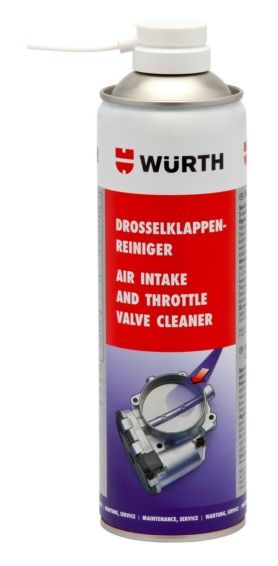
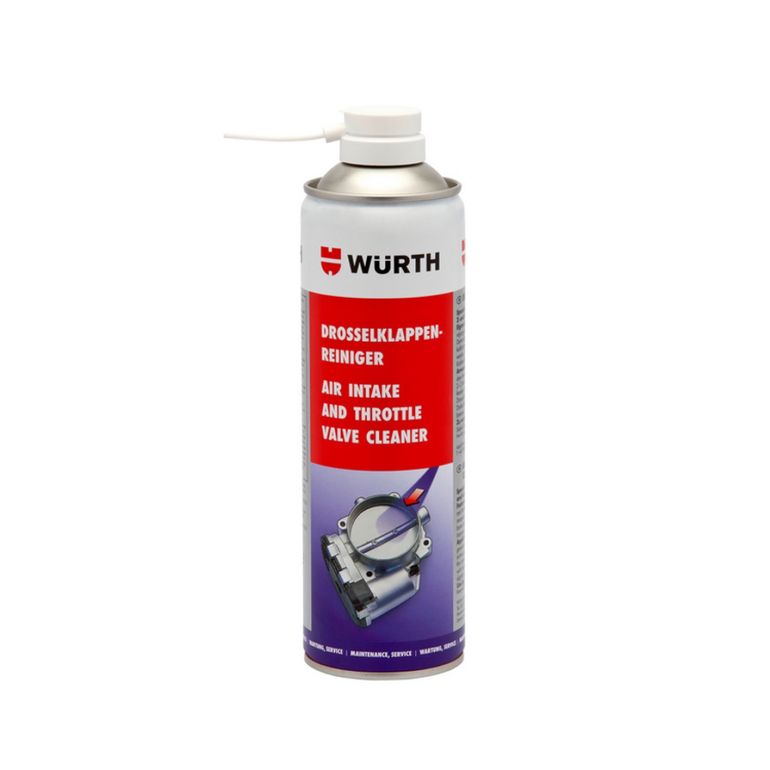
- Würth air intake and throttle cleaner 500 ml
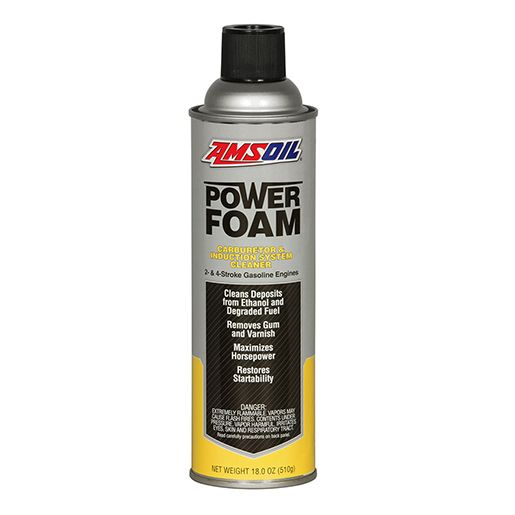
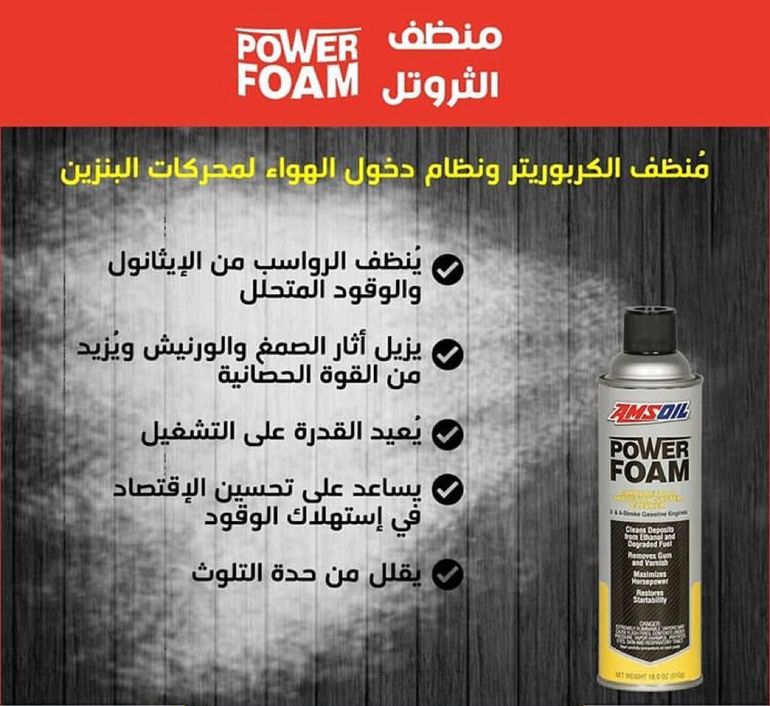
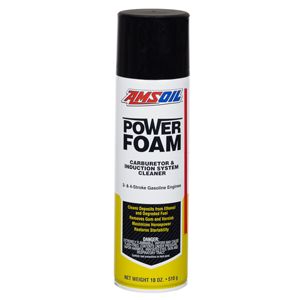
- AMSOIL Power Foam induction system cleaner
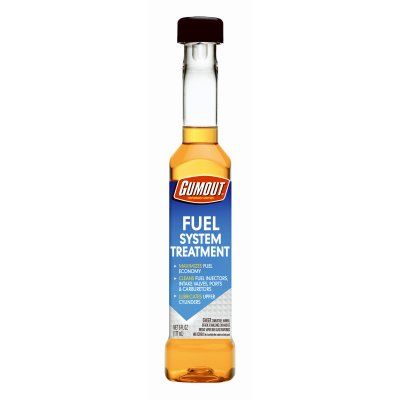
- Gumout fuel system treatment and injector cleaner
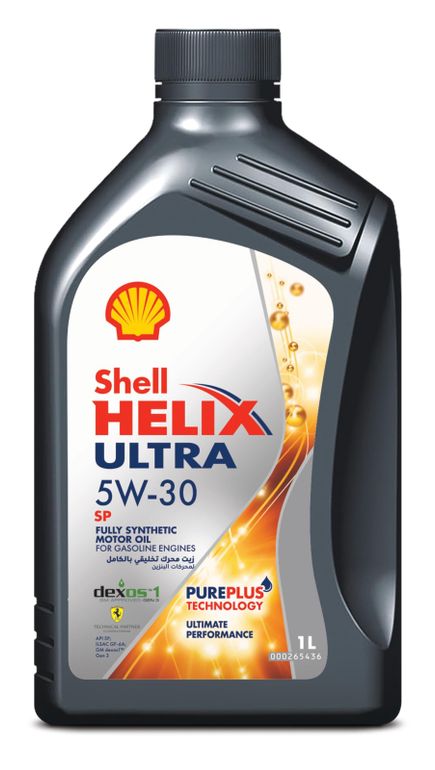
- Shell Helix Ultra 5W-30 SP full synthetic
- Browse the valve cleaners and fuel system cleaners categories
FAQ
How do I know if my car has a GDI engine?
Check the owner's manual or the engine cover for markings like GDI, TSI, TFSI, EcoBoost, SIDI or D-4/D-4S, or ask a technician using your VIN. Most modern small turbo engines use direct injection.
How often do intake valves need cleaning?
There's no fixed number. Many engines need an inspection somewhere around 60,000 to 100,000 km, and some go much longer. It's best to clean when symptoms appear or when a borescope confirms the buildup.
Does a valve cleaner added to the fuel work on a GDI engine?
It cleans the injectors and combustion chamber, but it doesn't reach the intake valves in a GDI engine because the fuel never passes over them, so it won't treat carbon on the valves.
📲 Share this article with any turbo or GDI owner who has started to feel a loss of torque.
🔧 CarBoost is here for you: Shop intake and fuel system cleaners in our engine additives category, or book an intake valve inspection and cleaning at the CarBoost Center.