Free shipping for orders over 499 riyal



Quick answer: To protect a turbo engine from low-speed pre-ignition (LSPI) and from oil coking inside the turbo, use a synthetic oil carrying a modern approval such as API SP, API SQ, ILSAC GF-6/GF-7, Dexos1 Gen 3 or ACEA C6/A7/B7, in the viscosity listed in your owner's manual. These approvals include dedicated tests against LSPI and timing chain wear. Along with the right oil, stick to your change intervals and avoid flooring the throttle at very low RPM.
Most manufacturers have moved to small turbocharged direct-injection engines (TGDI). These engines deliver strong torque and better fuel economy, but they run under much higher pressure and heat inside the cylinders. These conditions brought out a dangerous problem called LSPI, which can break pistons in an instant, alongside oil coking inside the turbo. In this guide we explain both and how choosing the right oil protects you.
What is low-speed pre-ignition (LSPI)?
Normally, the air-fuel mixture is compressed and the spark plug fires at a precisely calculated moment. With LSPI:
- Ignition happens before the spark while the piston is still rising, at low engine speeds (roughly below 2,500 RPM) under high load, such as flooring the throttle in a high gear or climbing a hill.
- One of the main causes is tiny droplets of engine oil mixed with fuel that come off the cylinder wall and self-ignite, influenced by the oil's additive chemistry.
- The pressure wave collides with the rising piston, producing a sharp "knock" or rattling sound.
Technical warning: LSPI pressures can reach several times normal combustion pressure, and a single severe event can be enough to crack piston ring lands or bend a connecting rod. Because it happens sporadically and unpredictably, drivers rarely notice it before damage is done.
Direct-injection engines also suffer from carbon buildup on the intake valves, a topic we covered in our guide to carbon buildup in GDI engines.
Why is the turbo so sensitive to oil quality?
A turbo can spin at more than 150,000 RPM, and its exhaust side can see temperatures above 800°C. Engine oil is what:
- Lubricates the turbo shaft bearings and prevents metal-to-metal contact at these very high speeds.
- Cools the shaft and carries heat away from it, helped by the coolant circuit in most modern turbos.
With a poor or non-compliant oil, the oil oxidises inside the turbo's narrow passages, a process known as turbo coking. Carbon deposits form, block the oil feed passages and wear the bearings, eventually destroying the turbo.
How do modern oils protect your engine from LSPI?
Research found that oils relying heavily on calcium detergents increase the likelihood of LSPI. Oil makers therefore reformulated their additives, reducing calcium and balancing it with magnesium detergents and molybdenum compounds, and LSPI tests were added to the following standards:
- API SP and ILSAC GF-6: include tests for LSPI protection and timing chain wear, preceded by the interim API SN Plus standard.
- API SQ and ILSAC GF-7: the latest generation of American standards, keeping the LSPI protection requirements with further improvements.
- Dexos1 Gen 3: General Motors' approval, with strict tests against LSPI and deposits.
- ACEA C6 and A7/B7: the modern European standards that added an LSPI test for direct-injection and turbo engines.
To understand these codes in detail, read our guide to API, ACEA and OEM engine oil approvals, and to learn why following them matters, see why you should follow the manufacturer's oil recommendations.
Comparison: older-spec oil vs. modern approved oil
Criterion | API SN and older oils | API SP/SQ or Dexos1 Gen 3 oils |
LSPI protection test | Not part of the standard | Included and tested |
Resistance to turbo coking | Moderate, depending on oil quality | Higher, especially in synthetic oils |
Timing chain protection | No dedicated test | Dedicated test against wear and stretch |
Viscosity stability under heat | Declines faster | More stable throughout the service interval |
Suitable for modern TGDI engines | Usually not | Yes, if it matches the manual's viscosity and spec |
Practical tips to protect a turbo engine
- Read the specification, not just the viscosity: 5W-30 alone is not enough; make sure the oil carries API SP or newer, or the approval your manual requires (such as Dexos1 Gen 3, VW 504/507 or MB 229.71).
- Don't floor the throttle at very low RPM: if you need strong acceleration, let the gearbox drop a gear (or use manual mode) instead of lugging the engine in a high gear.
- Let the engine settle before switching off: after fast driving or climbing hills, let it idle for 30 seconds to a minute so the turbo can cool down.
- Shorten oil change intervals in severe conditions: heat, traffic and dust in Saudi Arabia count as severe service, and turbo engine oil suffers faster fuel dilution and oxidation.
- Use fuel with the required octane: fuel below the manufacturer's recommendation increases the risk of knock in turbo engines.
- Look after the air filter: dust reaching the turbo damages its blades. If you are considering a performance filter, read performance air filters with turbo and ECU tuning.
Recommended products from CarBoost
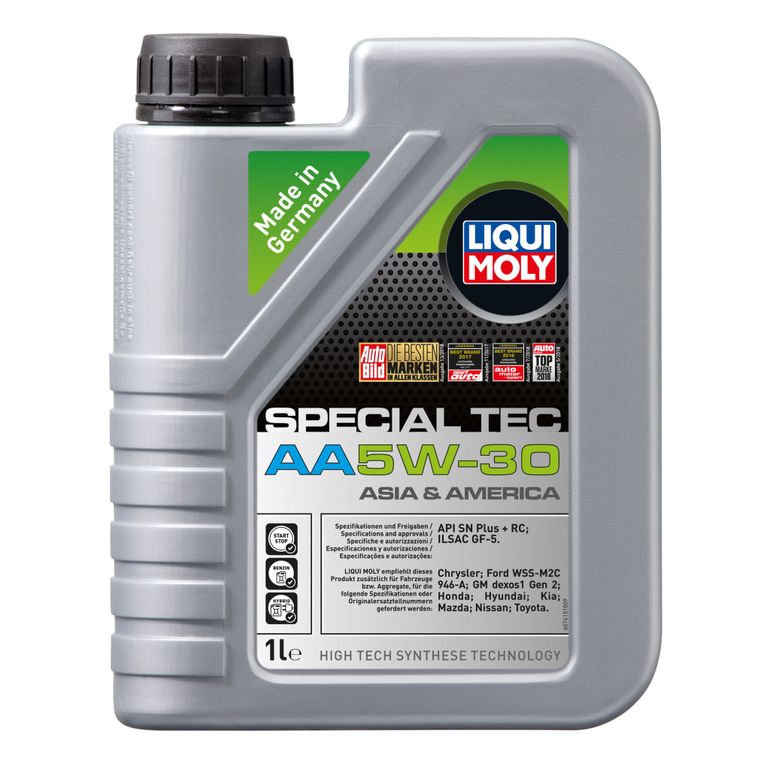
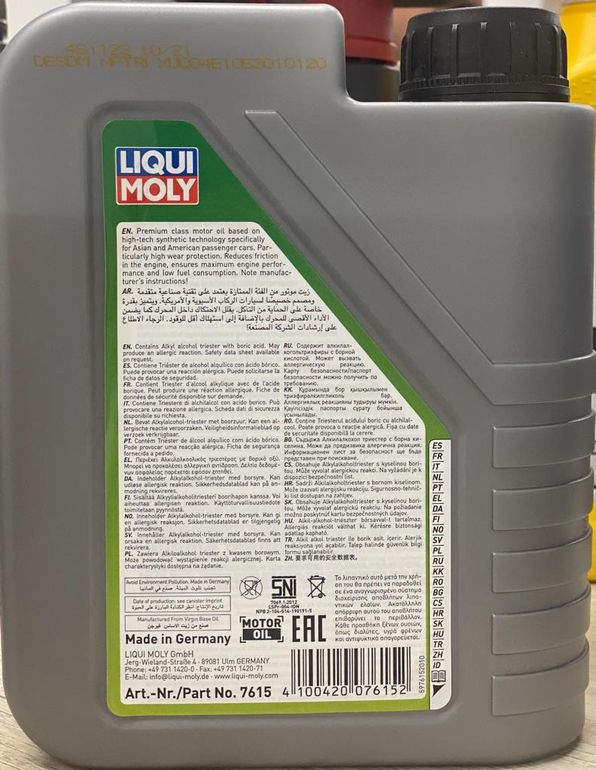
- Liqui Moly Special Tec AA 5W-30 (1L)
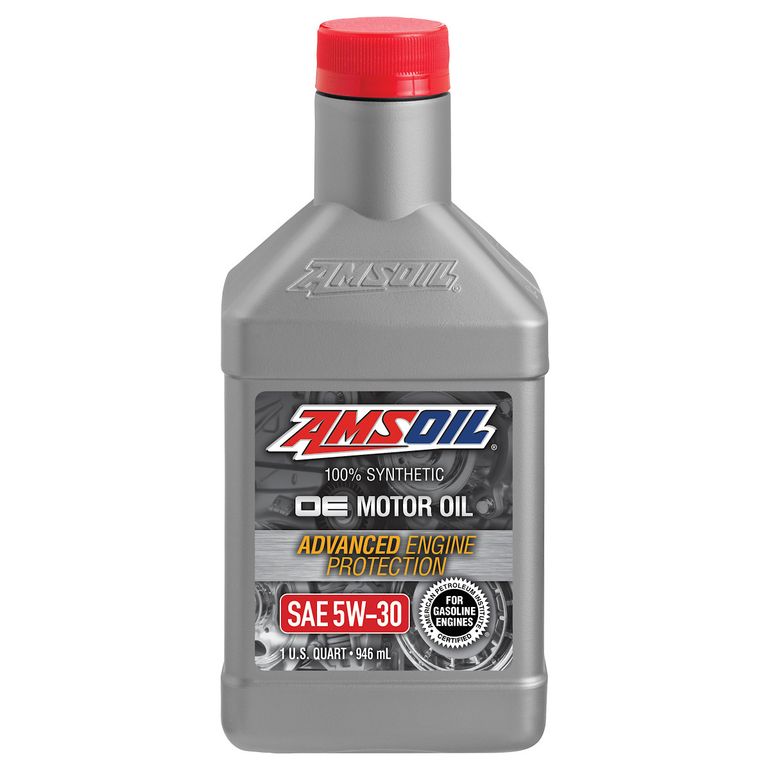
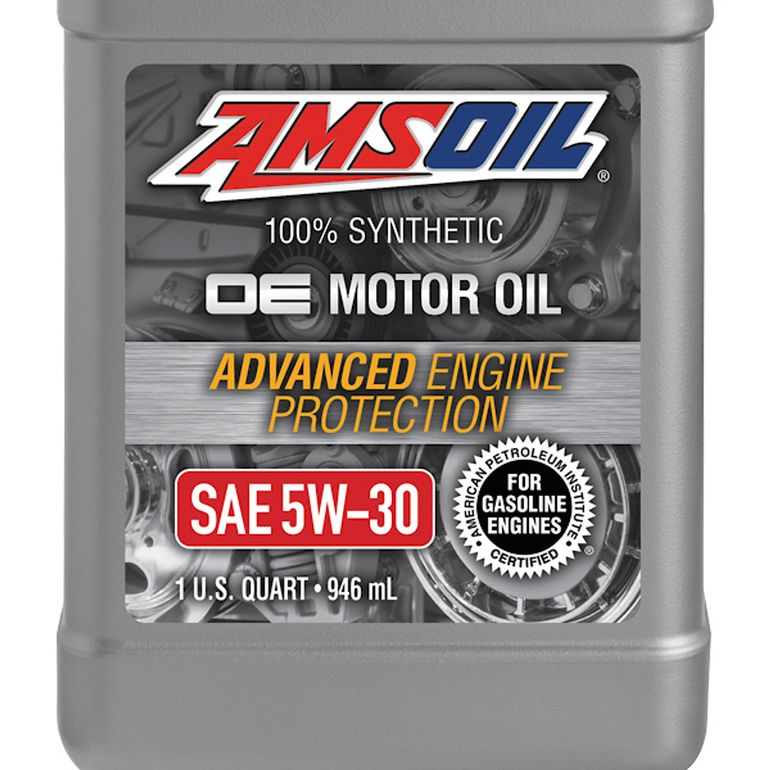
- Amsoil OE 5W-30 Full Synthetic (946 ml)
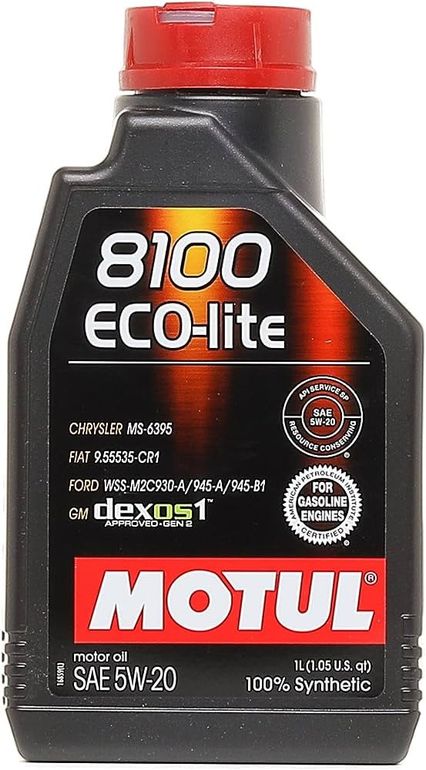
- Motul 8100 ECO-lite 5W-20 DX1 (1L)
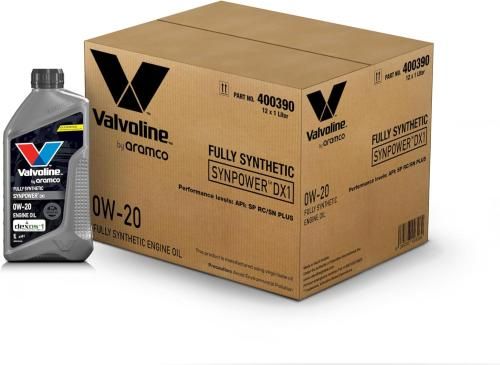
- Valvoline SynPower DX1 0W-20 (12L case)
- Fully synthetic engine oils
- 5W-30 engine oils
Before buying, make sure the specification printed on the bottle matches what your owner's manual requires.
FAQ
How do I know if my engine has experienced LSPI?
You may hear a sharp knock during hard acceleration at low RPM, and sometimes the Check Engine light comes on with a misfire or knock code. But many events go unnoticed, so prevention with an approved oil matters more than waiting for symptoms.
Does any 5W-30 oil suit my turbo car?
No. Viscosity alone is not enough; the oil must carry the specification required in the manual, such as API SP, Dexos1 Gen 3 or the manufacturer's own approval.
Do I need to warm up the car before driving and wait minutes before switching it off?
No long warm-up is needed; just drive gently for the first few minutes. After fast driving, 30 seconds to a minute before switching off is enough, and after calm city driving there is usually no need to wait.
📲 Share this article with any turbo car owner before their next oil change!
🔧 CarBoost is here for you: shop approved engine oils for turbo engines in our engine oils section, or book an oil change at the CarBoost service center.