Free shipping for orders over 499 riyal



Quick answer: Yes, a weak battery can cause harsh shifts and delayed engagement in an automatic transmission, can push it into limp mode, and can trigger false fault codes. The transmission computer and shift solenoids need a stable voltage, and any drop confuses shifting. So check the battery, alternator and ground cables first before thinking about a transmission overhaul.
When you feel a sudden jolt during a gear change, or a delay when moving the selector from P to D, your mind jumps straight to the worst case: worn clutches, a clogged valve body, or a full overhaul at a high cost. But a modern automatic transmission is an electronic system before it is a hydraulic one, and many of its annoying symptoms can be caused by nothing more than a tired battery.
The link between your car's electrics and the transmission computer (TCU)
Modern transmission control relies on two components that run entirely on electricity:
- Transmission control module (TCM / TCU): the electronic brain that reads the speed sensors, throttle position and fluid temperature, and decides the shift timing and engagement pressure with high precision.
- Shift solenoids: electromagnetic valves that open and close fluid passages inside the valve body to apply the clutches and change gears, with their current precisely controlled by the computer.
A healthy, fully charged battery reads about 12.6 volts with the engine off, and with the engine running the alternator raises the voltage to roughly 13.8–14.7 volts. If the reading drops below these levels or starts fluctuating, the computer and solenoids lose their accuracy.
In Saudi conditions in particular, high heat speeds up plate corrosion and electrolyte loss, so batteries often fail suddenly after one or two summers. For choosing the right type, see our car battery guide: AGM, EFB or standard.
Four symptoms a weak battery causes in an automatic transmission
1) Jolts and harsh shifts (Hard Shifting)
Shift solenoids need a controlled current to open and close smoothly. When voltage is low:
- The valves move slowly or irregularly.
- Fluid pressure reaches the clutches unevenly, so you feel a clear jolt between gears, especially from first to second.
2) The transmission enters limp mode
If the computer records a sudden voltage drop while driving, it may treat it as a risk to the transmission and activate limp mode:
- The transmission usually locks in a single gear (second or third, depending on the car).
- Acceleration response is reduced to protect the clutches.
- The driver thinks the gearbox has failed, while it may return to normal after a restart once stable voltage is available.
3) Loss of adaptive learning values
Many transmission units store data learned from your driving style and gradual clutch wear to keep shifts smooth. In some cars, a sharp voltage drop during cranking or disconnecting the battery erases these values, so the transmission starts hesitating between gears (gear hunting) or shifting roughly until it relearns over a few days of driving.
4) False fault codes for sensors and solenoids
Low voltage can produce false readings from transmission sensors such as the input speed sensor (TSS) and output speed sensor (OSS), so the computer lights the engine light and stores codes such as P0700 (transmission control system malfunction) or P0750 (shift solenoid A), often together with a low-voltage code such as P0562. A low-voltage code is a strong sign the problem is electrical. To understand these warnings better, see our Check Engine light and electronic diagnostics guide.
Is it the battery or the transmission itself?
Aspect | Battery / electrical fault | Mechanical fault inside the transmission |
When it happens | Usually in the morning at start-up, or when the A/C and electrical loads are switched on | Constant, and gets worse as the transmission heats up |
After a restart | May disappear temporarily after switching the car off and on | Persists and is not affected by a restart |
Transmission fluid condition | Normal colour, no burnt smell | Dark colour, burnt smell, possibly metal particles |
Voltage reading | Below 12.4 V engine off, or below 13.5 V with the engine running | Normal and stable between 13.8 and 14.7 V |
Fault codes | Low-voltage code alongside transmission codes | Slip or incorrect gear ratio codes with no voltage issue |
Checks to do before paying for a transmission overhaul
- Battery load test: make sure it is above 12.4 V with the engine off and does not drop below about 9.6 V while cranking.
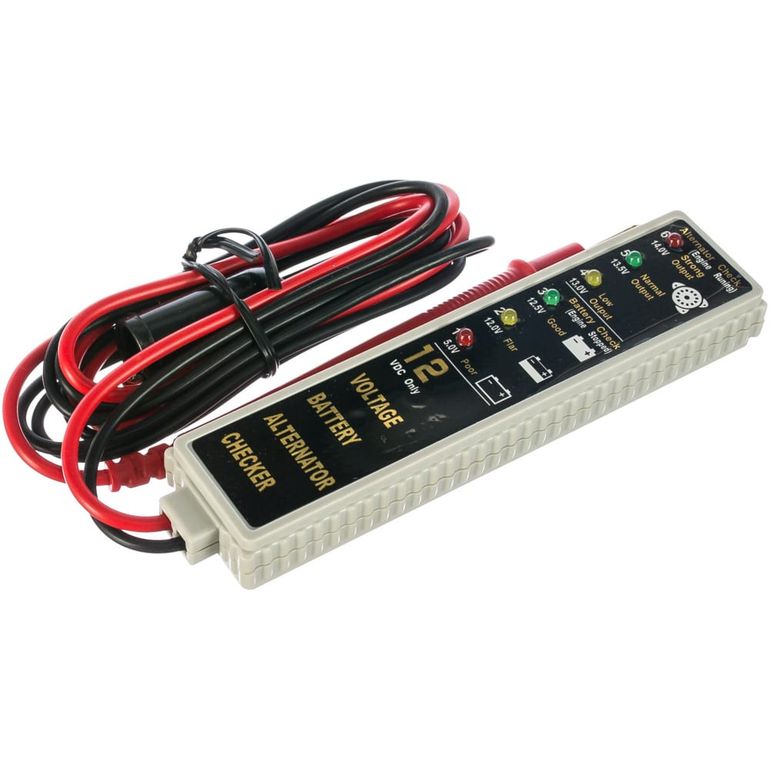
- Alternator charging check: measure the voltage with the engine running and the A/C and lights on; it should stay stable without fluctuation.
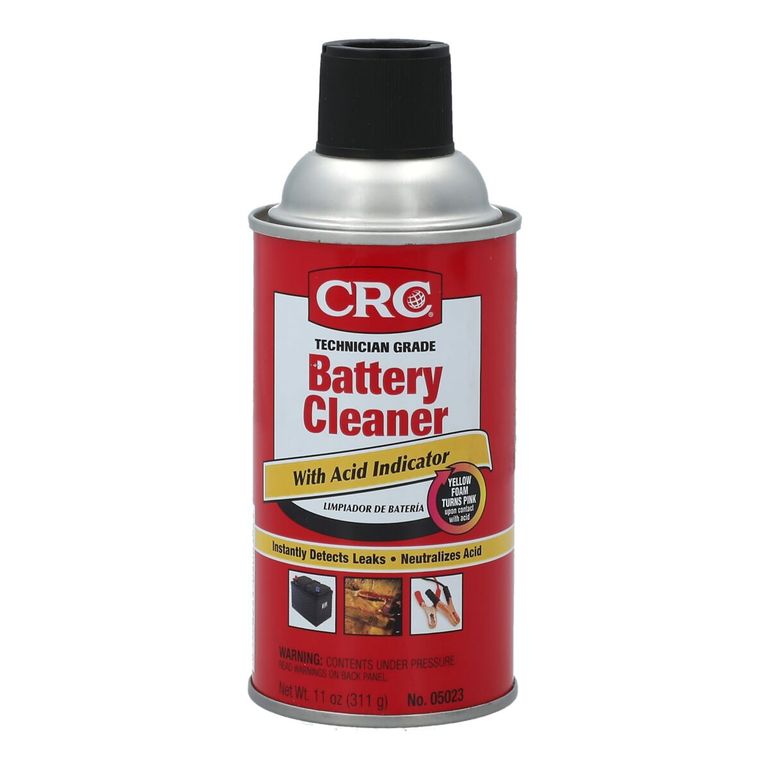
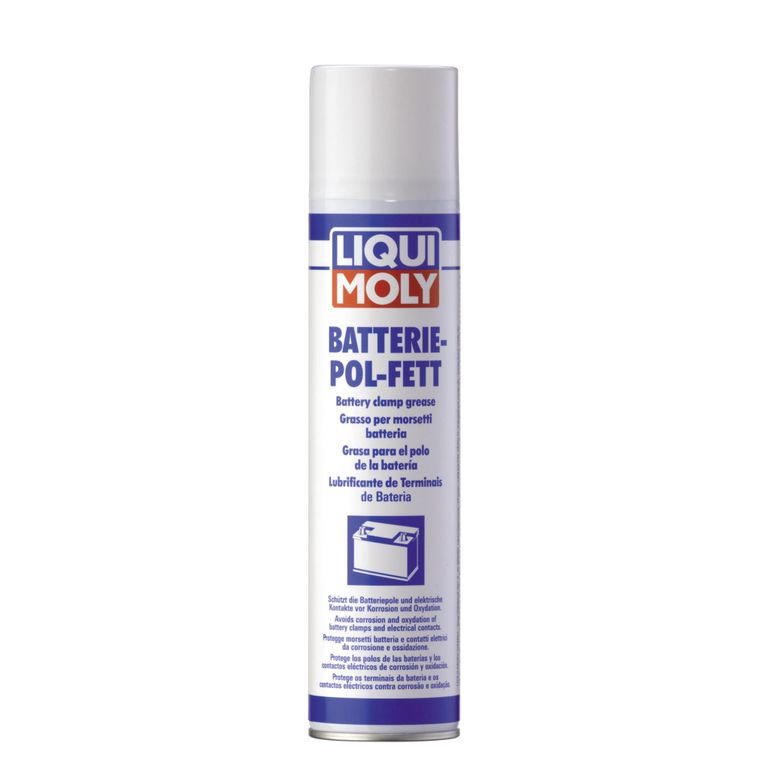
- Terminals and ground cables: corrosion and deposits on the battery terminals, or a corroded ground cable between the engine and chassis, create electrical resistance that confuses the transmission computer. Clean the terminals and protect them with dedicated grease.
- Read and clear codes: scan with a diagnostic tool, look for low-voltage codes, then clear the codes and test-drive after fixing the electrical issue.
- Check the transmission fluid: if the electrics are fine and the problem persists, check the fluid level and condition; low or degraded fluid is a common cause of harsh shifts. See our automatic transmission fluid guide: types and when to change it.
Note: after replacing the battery, some cars need a few days of gentle driving for the transmission to relearn, and some need a reset with a diagnostic tool. Don't judge the transmission on the first drive.
Bottom line
A healthy automatic transmission starts with the healthy electrical system that powers it. Checking the battery and alternator and cleaning the terminals and ground cables are simple, low-cost steps that may fix shifting jolts you thought needed an overhaul costing thousands of riyals. If the electrics prove fine, move on to checking the transmission fluid and mechanics.
Recommended products from CarBoost
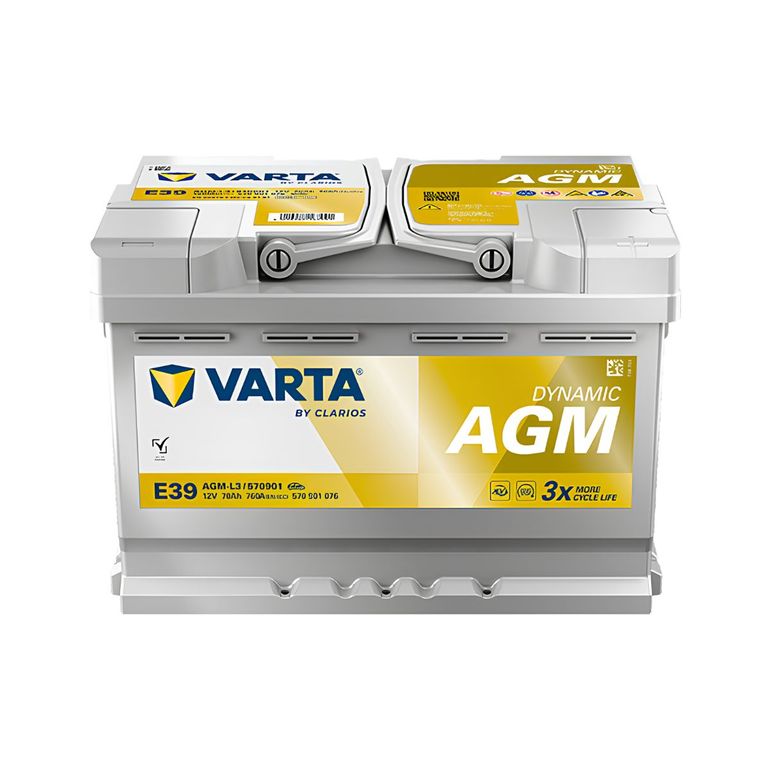
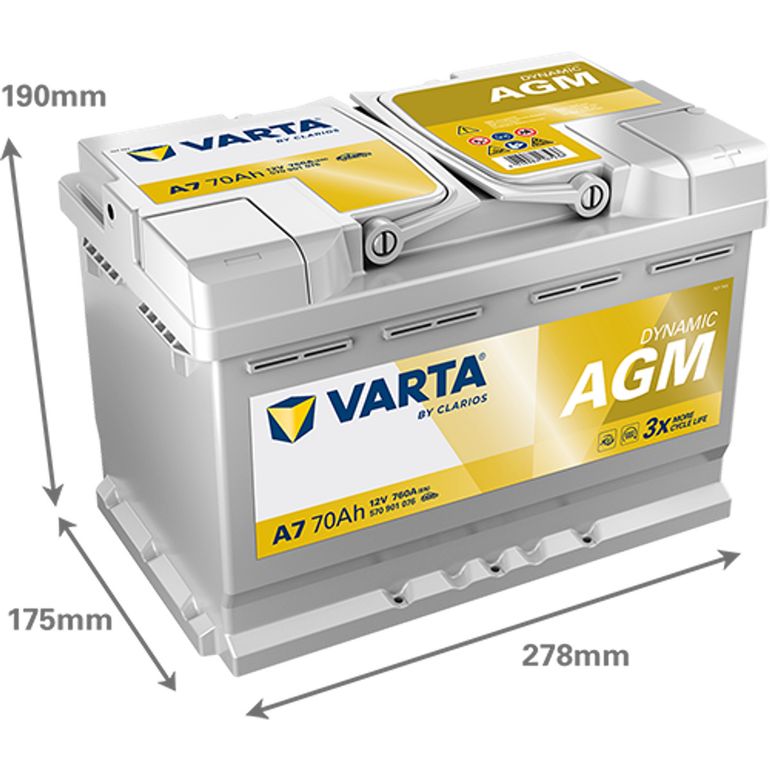
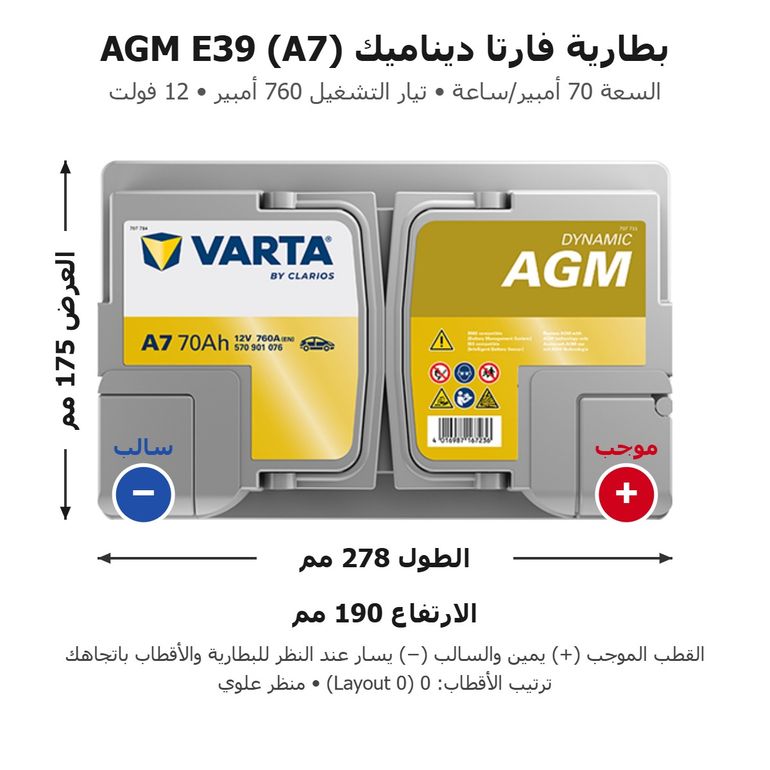
- VARTA Dynamic AGM 70Ah battery
- JTC battery and alternator tester
- CRC battery cleaner spray
- LIQUI MOLY battery terminal grease spray
- Toby's X22 car jump starter power bank
- Browse the car batteries category
- Browse the electrical testers category
FAQ
Will replacing the battery fix transmission jolts?
If low voltage was the cause, usually yes, though the transmission may need a few days of driving to relearn. If the jolt persists with a healthy battery and alternator, the problem is in the fluid or the transmission itself.
How long does a car battery last in Saudi Arabia?
Because of the heat, usually two to three years, and sometimes less in very hot cities. Check it before and after summer.
Does disconnecting the battery erase the transmission programming?
In some cars it erases the adaptive learning values, so shifting becomes temporarily rough until the transmission relearns or is reset with a diagnostic tool.
📲 Share this article with anyone complaining about transmission jolts — the battery might be the culprit!
🔧 CarBoost at your service: Shop batteries in our car batteries category, or book a battery and transmission check at the CarBoost service center.