Free shipping for orders over 499 riyal



Quick answer: Radiator coolant should be changed roughly every 2 to 5 years depending on its type and the manufacturer's recommendation. It is not chosen by color but by the technology your car's manufacturer specifies (IAT, OAT or HOAT). Use a ready-to-use 50/50 coolant or mix concentrate with distilled water, and never add tap water.
Many drivers believe radiator coolant is just "colored water" whose only job is to cool the engine. In reality it is a chemical protection system working under high pressure and heat: it carries heat from the engine to the radiator, raises the boiling point, protects metals from rust and lubricates the water pump seal. If engine heat isn't removed efficiently, the cylinder head can warp or the head gasket can fail, which are among the most expensive repairs, especially in the Saudi summer.
The right coolant for your car
Car | Common type | Usual color | Examples from CarBoost |
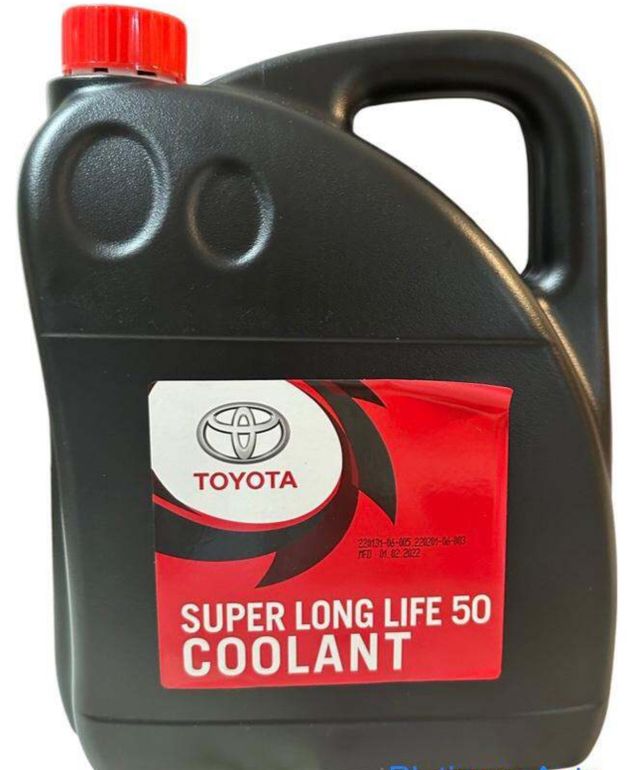
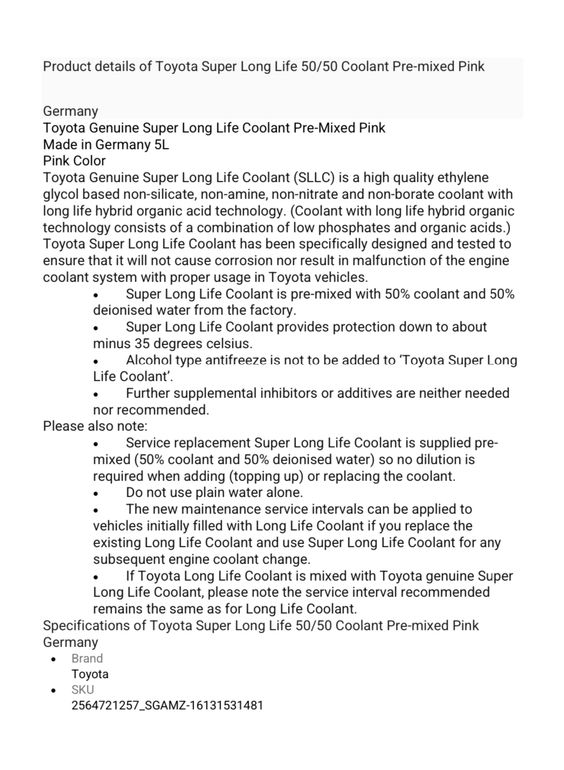
Toyota and Lexus | Super Long Life (phosphate hybrid, silicate-free) | Pink / red | |
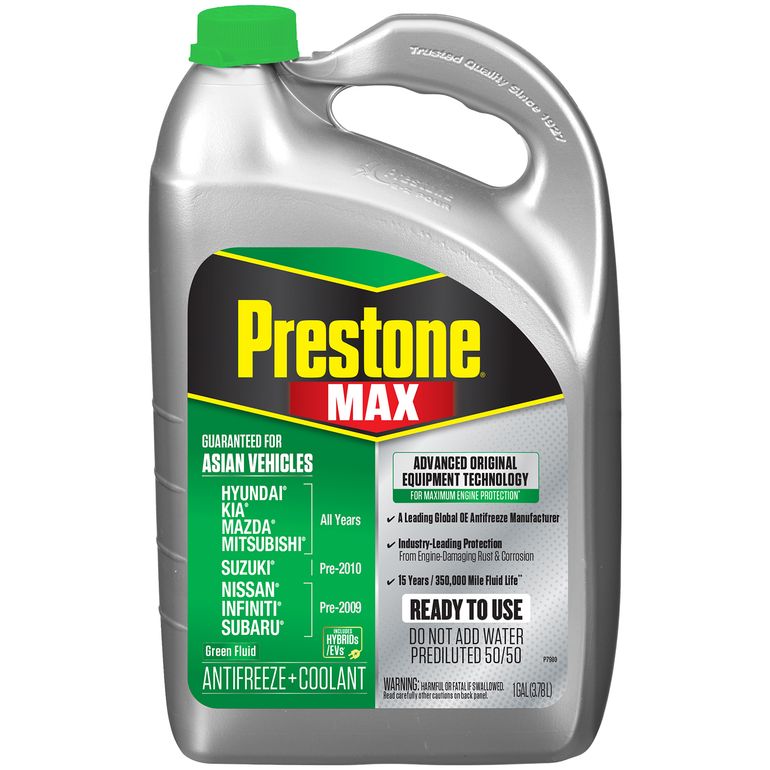
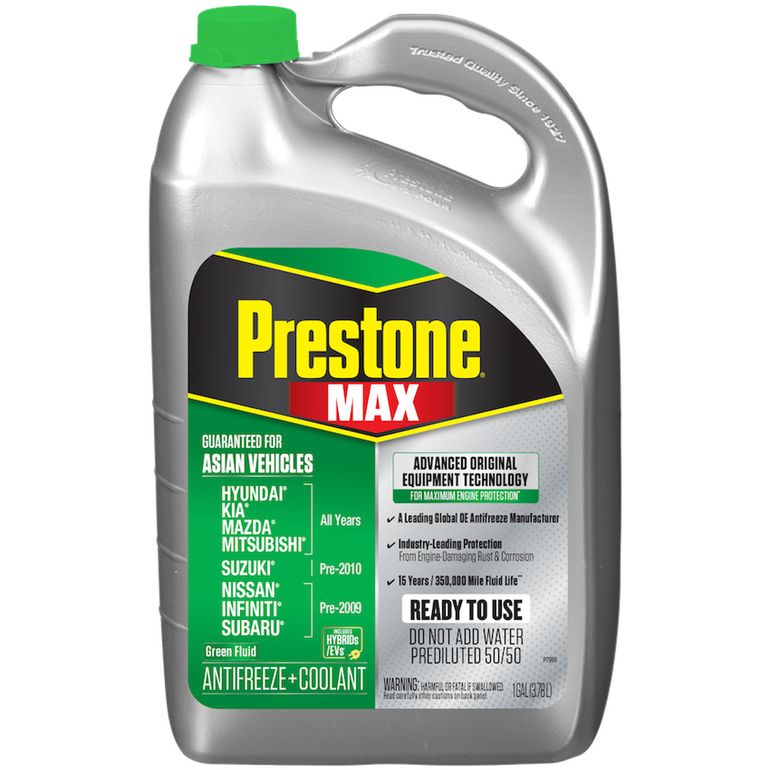
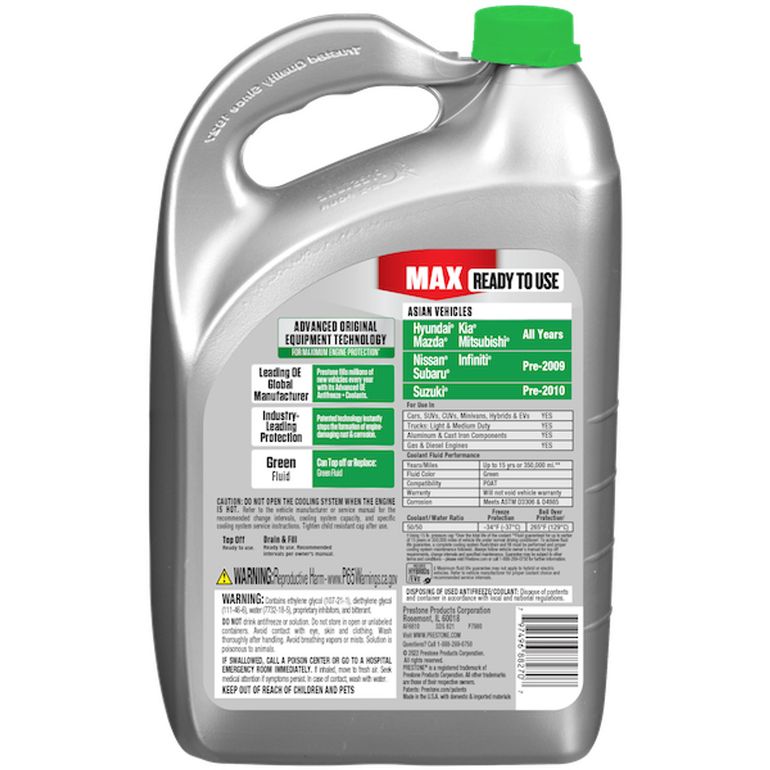
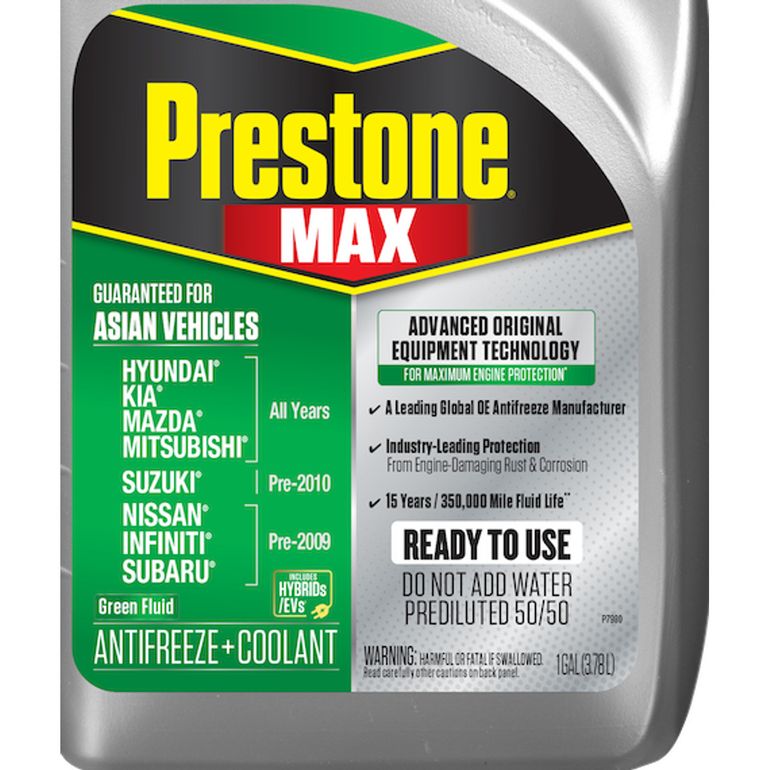
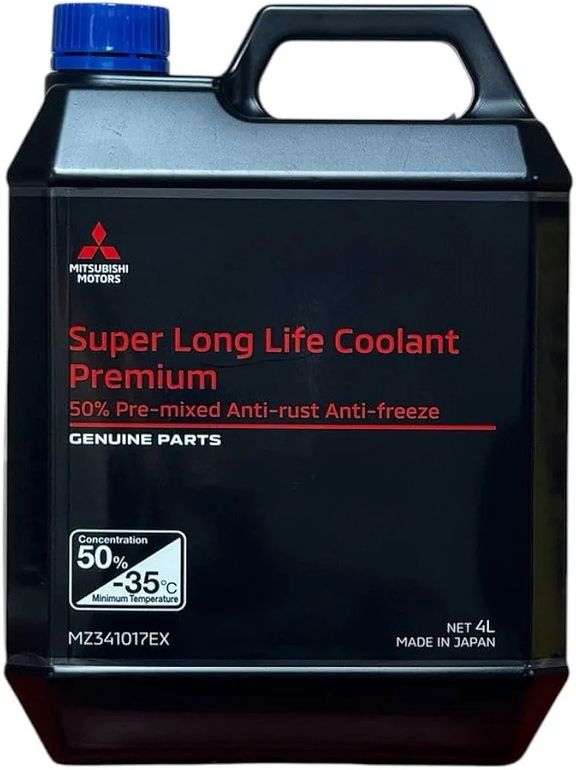
Mitsubishi, Nissan, Honda, Hyundai and Kia | Asian long-life (silicate-free) | Blue or green | Mitsubishi Super Long Life Blue · Prestone for Asian Vehicles Green |
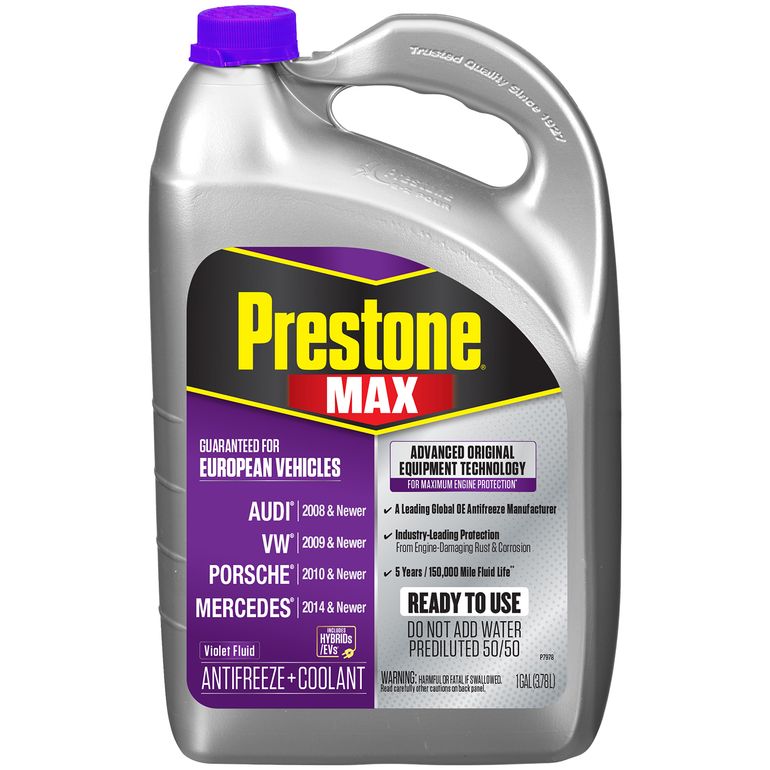
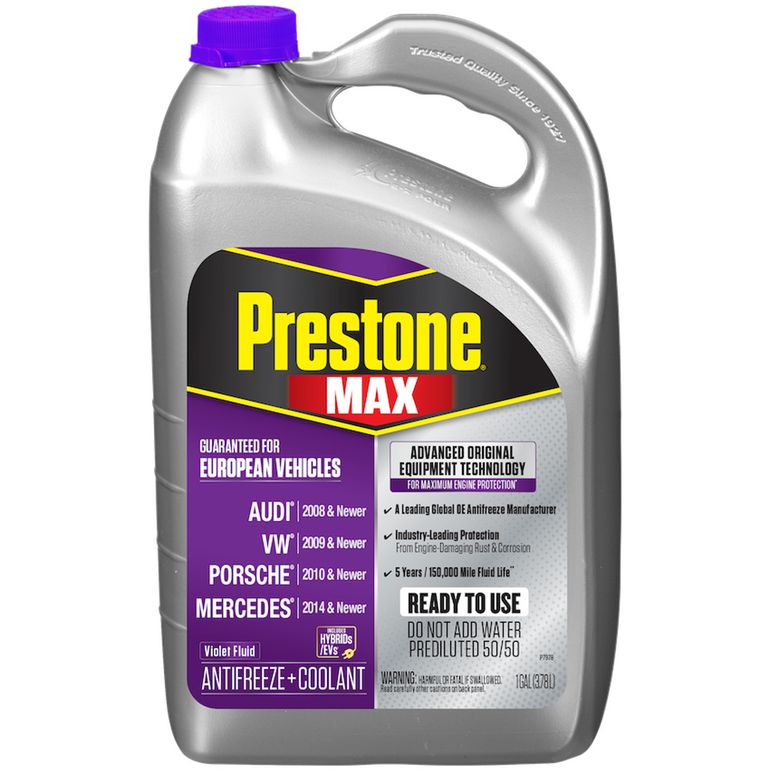
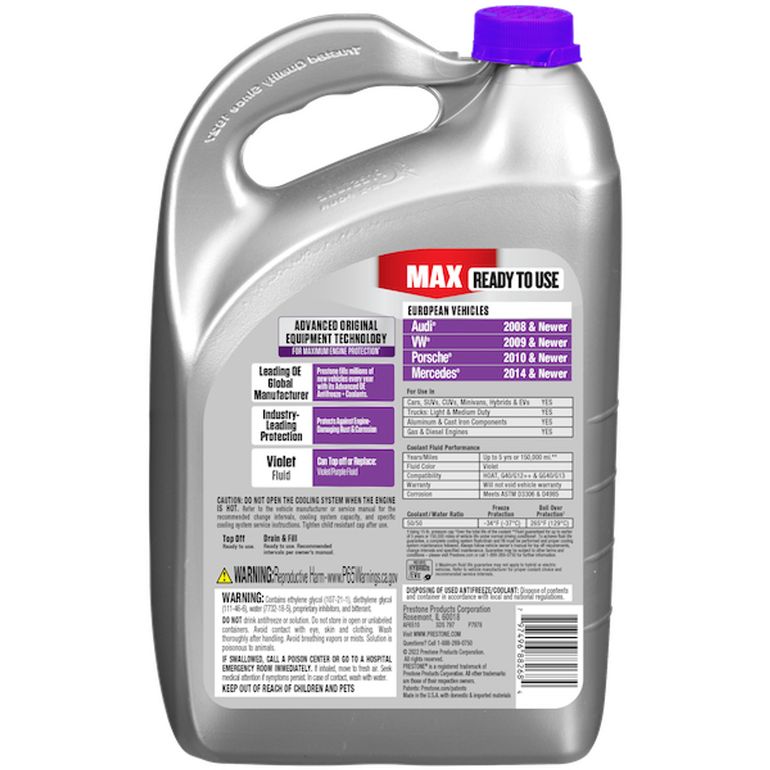
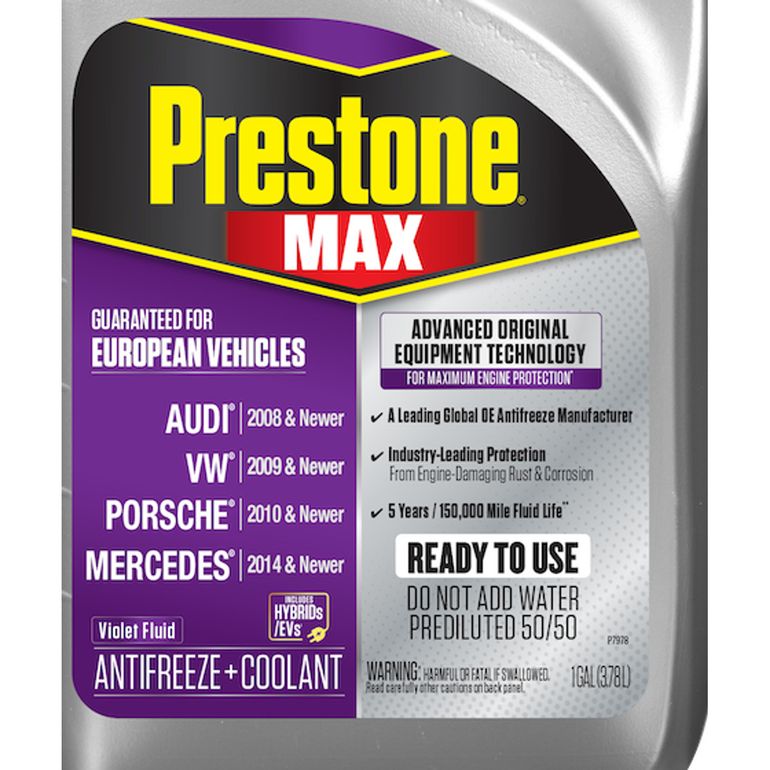
European (Volkswagen, Audi, Mercedes, BMW) | Silicated HOAT / G12+ / G12++ / G13 | Violet or blue | |
American | OAT (such as Dex-Cool) | Orange | Browse the radiator coolant section |
Always confirm the specification in your owner's manual or on the coolant reservoir; colors are just dyes that vary between companies and can't be relied on alone.
Why must radiator coolant be changed?
Over time and with heat, the chemical additives in the coolant are used up, leading to the following problems:
- Rust and internal corrosion: the engine and cooling system are made of different metals (aluminum, iron and copper). When the corrosion inhibitors run out, the coolant passages and cylinder head start corroding from the inside.
- Water pump and seal damage: healthy coolant lubricates the pump seal; when it degrades, the seal dries out and starts leaking or making noise.
- Scale and clogging: degraded coolant, or coolant mixed with tap water, forms deposits that block the fine passages in the radiator and heater core, weakening both cooling and heating.
- Lower boiling point: a 50/50 mix with a healthy radiator cap raises the boiling point to around 125°C or more under pressure, compared with 100°C for plain water. When the coolant weakens or is diluted with water, it boils sooner and the temperature gauge climbs.
Coolant types and technologies
The real difference between coolants lies in their formulation and additives. Here is a summary:
Technology | Formulation | Approximate life | Use |
IAT (inorganic) | Silicates and phosphates | About 2 years or 40,000 km | Older cars |
OAT (organic acids) | No silicates or phosphates | Up to about 5 years or 150,000 km | Many American and modern cars |
HOAT (hybrid) | Organic acids + a small amount of silicates or phosphates | 5 years or more, depending on the manufacturer | European (silicated) and Asian (phosphated) |
Some long-life coolants last even longer; for example, Toyota Super Long Life coolant is first changed at around 160,000 km and then roughly every 80,000 km, according to the owner's manual. The final reference is always your car's maintenance schedule.
Can I mix two different types?
It isn't recommended. Mixing different technologies can weaken corrosion protection, may cause gel-like deposits and reduces the coolant's life to that of the weaker one. If you're stuck on the road, use distilled water temporarily, then replace the coolant completely with the correct type.
A common mistake: adding tap water to the radiator
CarBoost engineer's warning: Don't add ordinary tap water to the radiator. It is rich in salts and minerals (such as calcium and magnesium) that deposit on the radiator walls with heat and block heat transfer, and it also dilutes the corrosion and boil-over protection.
The right way: if the coolant is a concentrate, mix it at 50% coolant + 50% distilled water, or use 50/50 pre-mixed coolant directly. If you must add water on a trip, make it distilled, and correct the concentration at the next service.
When to change coolant, and signs that call for an inspection
- By the maintenance schedule: roughly every 2 to 5 years depending on the technology and the manufacturer's recommendation.
- When it changes color or turns cloudy: if it turns brown or shows rust flakes or oil.
- Foam or a sweet burnt smell: indicates breakdown of the coolant or a leak, and sometimes a head gasket problem.
- Repeatedly low reservoir: means a leak in the hoses, pump or radiator, which must be fixed before refilling.
- Rising temperature gauge or weak heater: the cause may be a blockage, air in the system or a stuck thermostat.
Safety warning: Never open the radiator cap while the engine is hot; the coolant is under pressure and can spray out and cause burns. Wait until the engine has cooled completely.
The cooling system works hand in hand with the A/C in summer, so if you notice weak cabin cooling, read: Car A/C refrigerant guide: signs of low gas and its types. Don't forget other critical fluids such as brake fluid, which must be changed regularly, and see a complete plan in the periodic maintenance guide.
Flushing the cooling system before summer
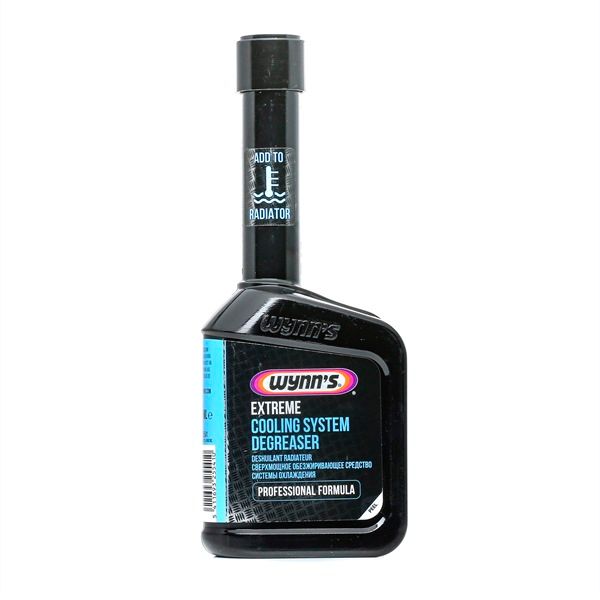
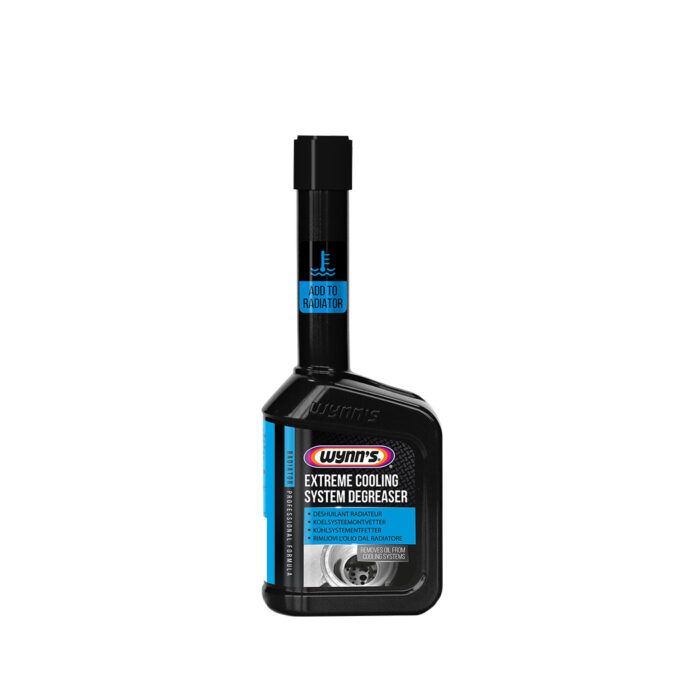
When changing coolant after long neglect, or when switching from one type to another, it is best to flush the cooling system with a dedicated cleaner, then rinse it with distilled water before filling the new coolant and bleeding the air from the system. This removes old deposits and gives the new coolant its full service life.
Recommended products from CarBoost
- Toyota Super Long Life Coolant (Red) 3.785L
- Mitsubishi Super Long Life Coolant (Blue) 4L
- Prestone Coolant for Asian Vehicles (Green)
- Prestone Coolant for European Vehicles (Violet)
- Wynn's Extreme Cooling System & Radiator Cleaner
- Radiator coolants and additives
- Radiator cleaners and conditioners
FAQ
Does coolant color tell you its type?
No. Color is a dye chosen by the company, and you may find two coolants of the same color with different technologies. Rely on the specification in your owner's manual or on the bottle (such as G12++ or a Toyota approval).
Can I use plain water instead of coolant in summer?
It is never recommended. Plain water boils sooner and causes rust and scale. Even in summer you need coolant to raise the boiling point and protect the metals, and concentrate should only be mixed with distilled water.
Why does my coolant keep running low?
A very slight drop over time is possible, but repeated loss usually means a leak in the hoses, radiator, water pump or radiator cap, and sometimes the head gasket. Inspect the system before the temperature gauge climbs.
📲 Know someone who fills their radiator with plain water? Send them this article.
🔧 CarBoost at your service: Shop approved coolants from the radiator coolant section, or book a cooling system flush and coolant change at the CarBoost center.