Free shipping for orders over 499 riyal



Quick answer: If you notice engine misfiring, hesitation when accelerating, higher fuel consumption or a Check Engine light, the cause may be a dirty mass air flow (MAF) sensor, dirty injectors or a clogged catalytic converter. The MAF sensor is cleaned only with a dedicated MAF sensor spray, injectors are cleaned with a fuel additive poured into the tank such as BG 44K, and the catalytic converter can be helped by catalytic converter cleaners in mild cases only.
Quick table: symptom, likely cause and solution
Symptom | Likely cause | First solution |
Hesitation when accelerating, rough idle, code P0101 or P0171 | Dirty MAF sensor | MAF sensor cleaner spray |
Weak torque, higher consumption, misfire on cold start | Partially clogged injectors | Fuel system cleaner additive in the tank |
Sulfur smell, choked feeling, weakness at high speed, code P0420 | Dirty or clogged catalytic converter | Catalytic converter cleaner + sensor check |
Fluctuating idle RPM | Dirty throttle body | Throttle body cleaner spray |
These symptoms can have other causes too (such as spark plugs or a vacuum leak), so if the problem continues after cleaning, scan the car with a diagnostic tool. Read: What does the Check Engine light mean?
1. Cleaning the MAF sensor
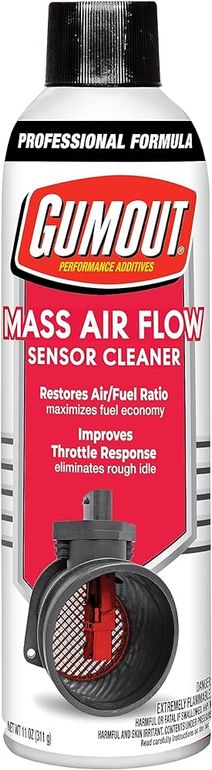
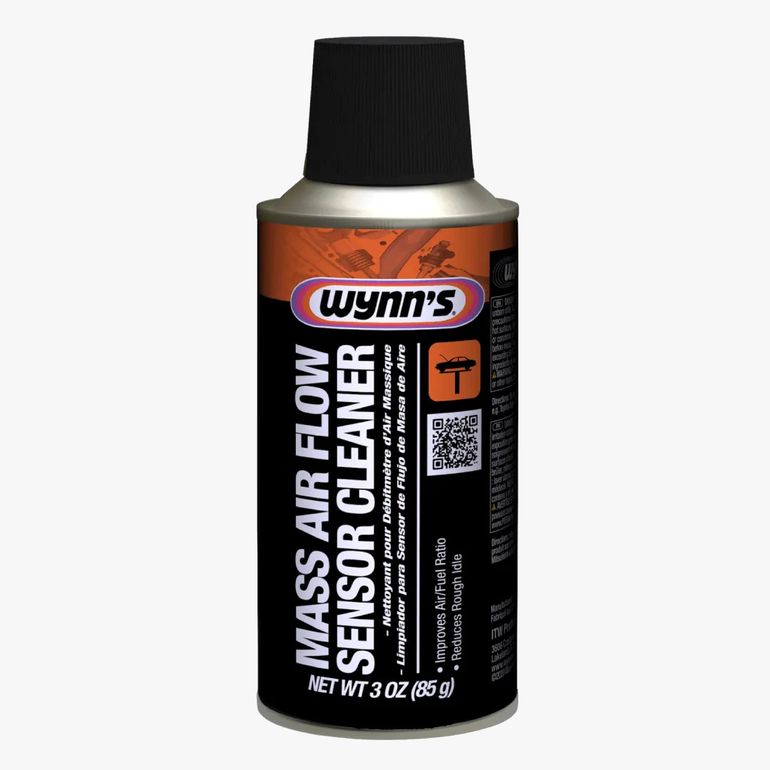
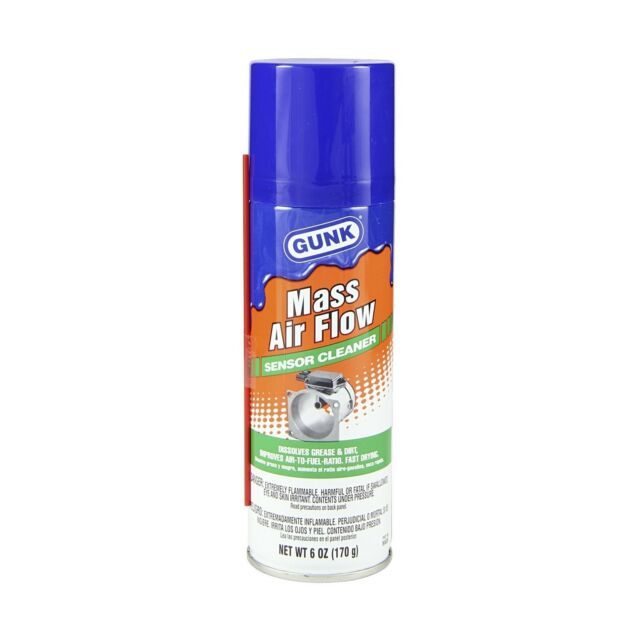
The mass air flow sensor measures how much air enters the engine so the ECU can decide how much fuel to inject. Dust and oil vapor (especially with over-oiled performance filters) coat the sensor wire, so it gives false readings.
The correct cleaning method
- Switch off the car and unplug the sensor; disconnecting the negative battery terminal is recommended.
- Carefully remove the sensor from the air duct (usually two screws).
- Spray MAF cleaner on the wire or element from about 10 cm, 10 to 15 sprays.
- Never touch the wire with any tool or cloth.
- Let it air-dry completely for 10 to 15 minutes, then refit it.
Warning: Do not use brake cleaner or carburetor cleaner on the MAF sensor; it can damage the sensitive coating. Use only a product labeled MAF Sensor Cleaner.
If you use a performance air filter, be careful with the amount of oil when servicing it; details in BMC and K&N performance filters vs. stock filters.
2. Cleaning the injectors and fuel system
Over time, carbon and varnish deposits build up on injector nozzles, intake valves and the combustion chamber, so the fuel spray becomes weak and uneven.
When should you use an injector cleaner?
- Prevention: every 5,000 to 10,000 km, or roughly with every oil change.
- Treatment: when you notice misfiring, weak torque or higher consumption.
- How: pour the bottle into a nearly empty tank, then fill up, and drive until the tank is low before the next fill.
What makes BG 44K special?
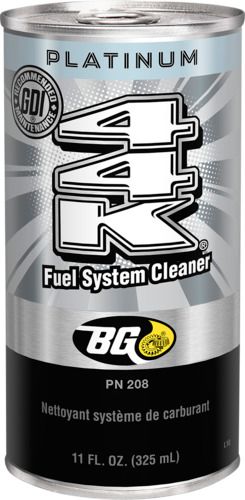
BG 44K is one of the best-known concentrated fuel system cleaners. It is used to remove carbon deposits from injectors, intake valves and the combustion chamber in petrol engines, and is usually used as an intensive treatment rather than a weekly additive. Follow the dose on the bottle (usually one bottle per full tank). For GDI direct-injection engines, where carbon builds up on the intake valves, mechanical cleaning may be needed; read The hidden risk in GDI engines.
For symptoms related to spark plugs and the fuel system: Spark plugs and fuel system guide.
3. Cleaning the catalytic converter without removing it
Catalytic converter cleaners are added to the fuel tank and help burn off light deposits and clean the oxygen sensor while driving. For best results:
- Add the cleaner to a tank that is about a quarter full.
- Drive a relatively long distance (30 minutes or more on the highway) so the converter gets hot.
- Use up the whole tank before refueling.
When does a cleaner not help? If the converter is broken inside, melted from burning oil or unburned fuel, or completely blocked. In that case, fix the root cause (such as spark plugs or oil burning) first. Full details in How to protect your catalytic converter and DPF from clogging.
4. The throttle body
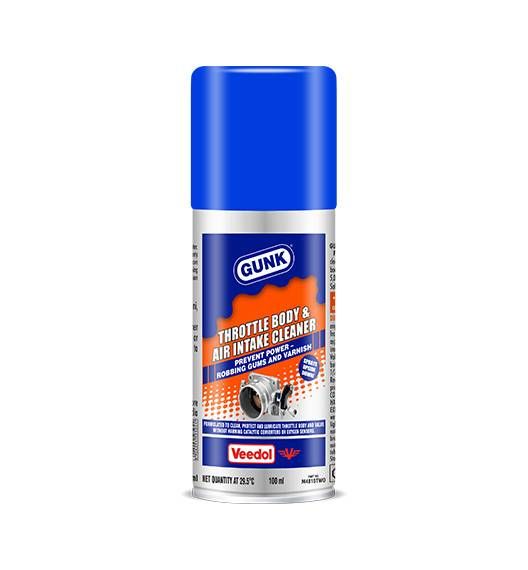
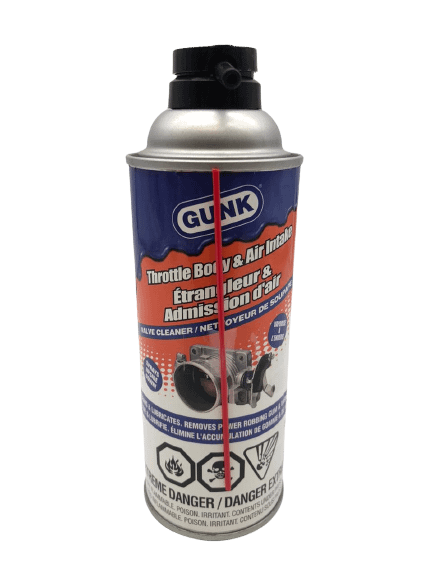
A dirty throttle body causes fluctuating idle and poor response. With the engine off, spray throttle body cleaner on the plate and the inside of the bore, then wipe with a clean cloth. On some cars the throttle needs a relearn with a diagnostic tool after cleaning.
Recommended products from CarBoost
- CRC MAF sensor cleaner spray – 311 g
- Liqui Moly MAF sensor cleaner spray – 200 ml
- BG 44K Platinum complete fuel system cleaner – 325 ml
- BG fuel system and GDI direct-injection cleaning kit
- Liqui Moly injection cleaner – 300 ml
- Wynn's catalytic converter and oxygen sensor cleaner – 500 ml
- Liqui Moly catalytic system cleaner – 300 ml
- Wynn's throttle body cleaner spray – 500 ml
- All engine cleaners and engine treatments
FAQ
Should I clean the MAF sensor or replace it?
Try cleaning first; many MAF faults are caused by dirt alone. If the fault code returns after cleaning and clearing codes, the sensor may need replacing.
Can injector cleaner harm the engine?
No, if used at the correct dose and from a trusted brand. Overusing additives or mixing several products together is what can cause problems.
How often should I use BG 44K?
Usually once every 10,000 to 15,000 km, or when fuel system deposit symptoms appear, according to the manufacturer's instructions.
📲 Know someone whose car hesitates and can't find the cause? Send them this table.
🔧 CarBoost is here to help: shop genuine cleaners in the engine additives section, or book an engine check and injector cleaning at the CarBoost service center.