Free shipping for orders over 499 riyal



Quick answer: Yes, a performance air filter works well in Saudi desert conditions, on one key condition: stick to a cleaning and re-oiling schedule that matches how you drive. In the city, cleaning roughly every 30,000–40,000 km is enough; on dirt roads and dune driving, checking it after every trip becomes essential.
1. How does a performance filter trap dust?
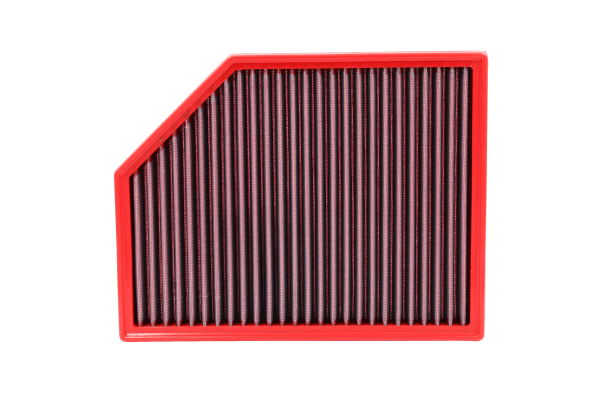
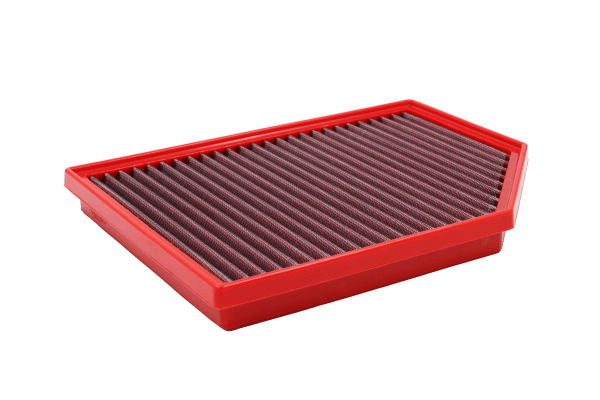
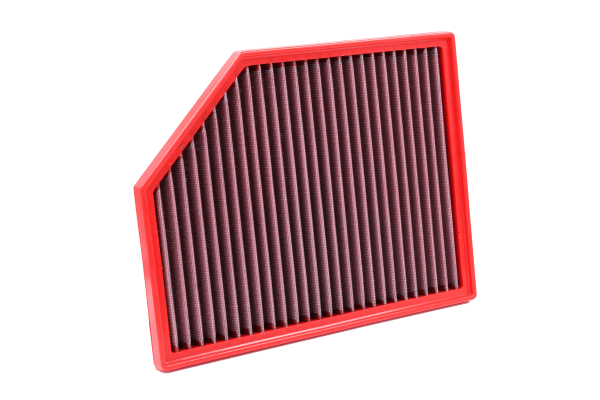
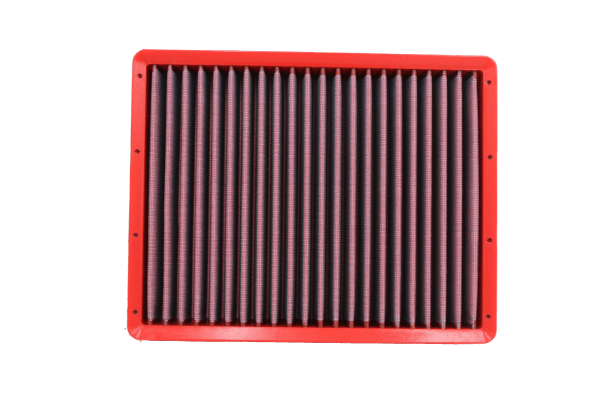
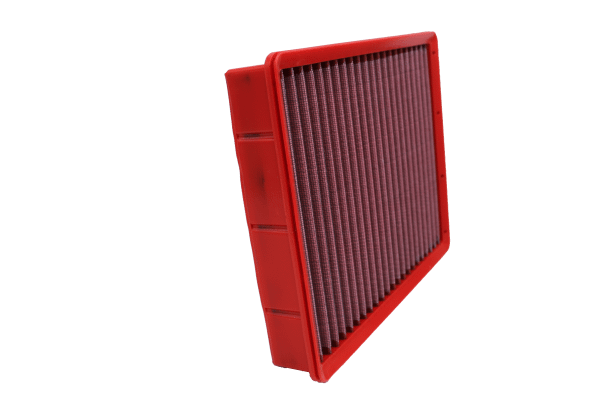
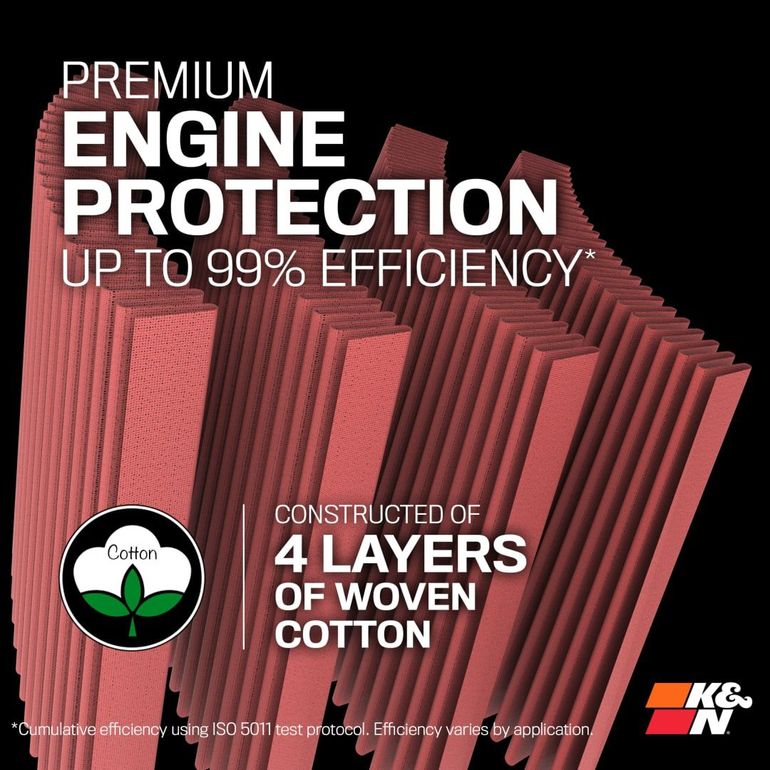
A BMC filter uses layers of cotton soaked in a special oil. Dust particles are not only blocked by the pores, they stick to the oil inside the fibers. As dust builds up it forms an extra layer that improves filtration, but it also gradually reduces airflow.
So a performance filter that is clean and correctly oiled gives excellent protection, while a dry filter (washed but not re-oiled) loses much of its ability to trap fine dust.
2. Cleaning schedule by driving conditions
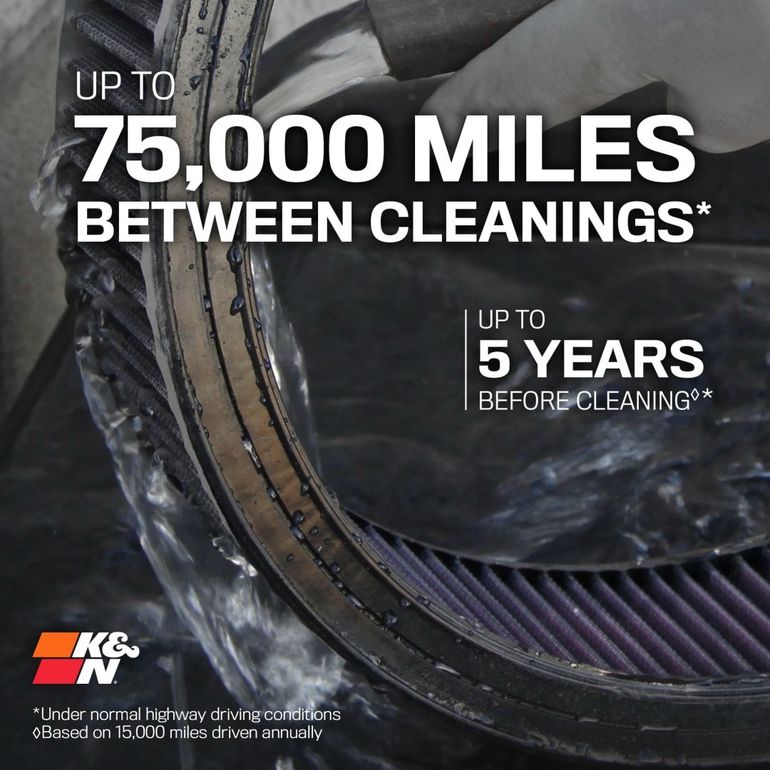
Driving conditions | Visual check | Clean and re-oil |
City driving on paved roads | Every 10,000 km | Roughly every 30,000 - 40,000 km |
Frequent highway travel with dust storms | Every 5,000 km | Every 15,000 - 20,000 km |
Dirt roads or construction sites | Every 2,000 - 3,000 km | Every 8,000 - 10,000 km |
Dune bashing and sand driving | After every trip | After every one or two trips |
After a strong sandstorm | Immediately | Depending on how dirty it is |
CarBoost rule: If you can no longer clearly see the color of the cotton (red/pink) under the dust layer, it is time to clean it, regardless of mileage.
3. Signs your filter needs cleaning
- A noticeable drop in acceleration or a "heavy" feeling engine.
- An unexplained rise in fuel consumption.
- A thick layer of dust covering the whole filter surface.
- On some cars: a Check Engine light due to incorrect airflow readings. Read What does the Check Engine light mean?
4. The correct cleaning method (in brief)
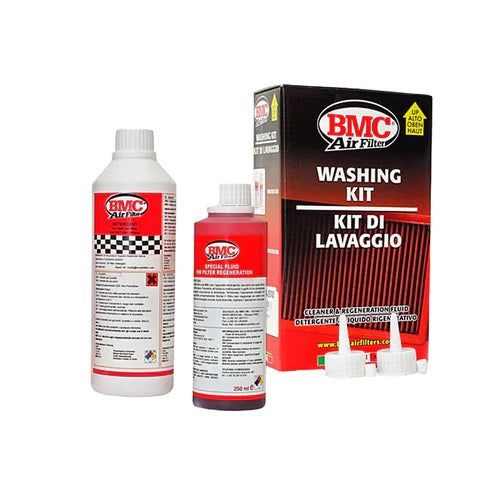
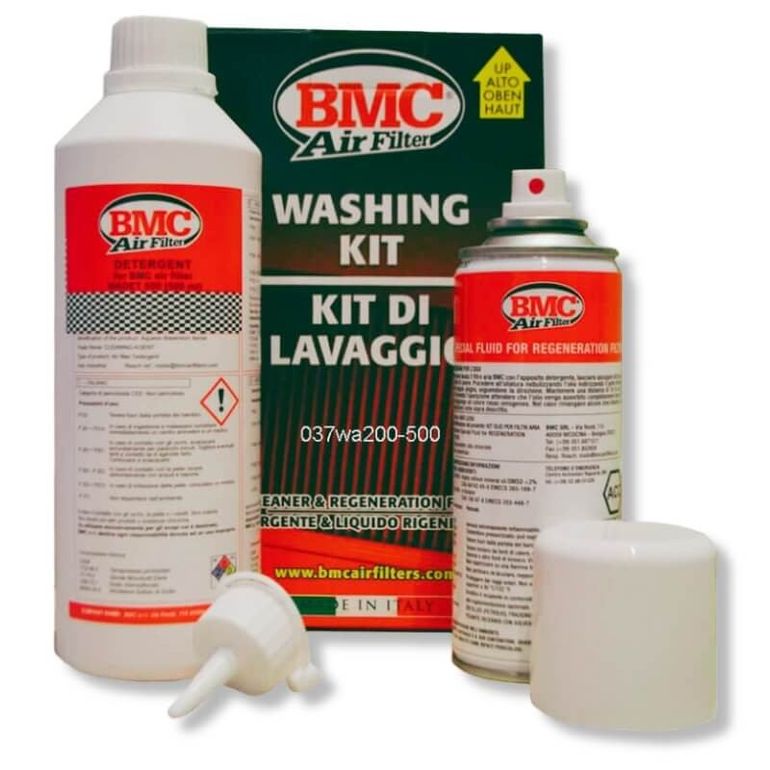
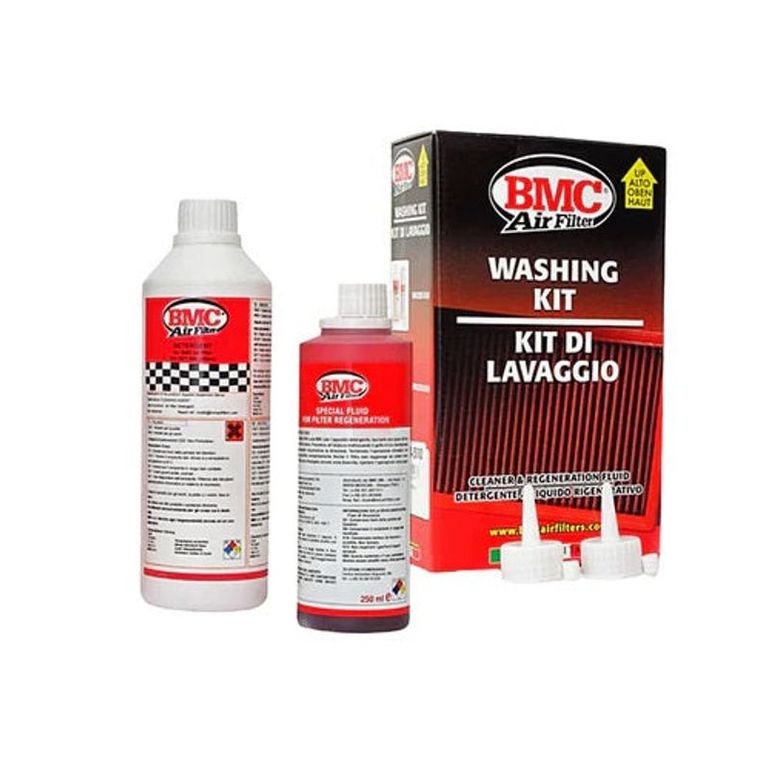
- Use only the dedicated BMC or K&N cleaning and oiling kit, not petrol or kitchen detergents.
- Tap the filter gently to remove coarse sand before washing.
- Spray the cleaner and let it soak according to the kit instructions.
- Rinse with lukewarm water at low pressure from the inside out.
- Let it dry naturally in the shade; do not use compressed air or a hair dryer.
- Re-oil with an even coat without soaking it, then refit.
5. Serious mistakes to avoid
- Fitting the filter dry after washing: lets fine dust pass into the engine.
- Over-oiling: excess oil is drawn in and contaminates the MAF sensor. If that happens, see how to clean it in Cleaning the MAF sensor and injectors.
- Using compressed air: it tears the cotton fibers and opens gaps in the filter.
- A poorly sealed airbox: any gap in the frame means unfiltered air gets in.
6. Tips for dune drivers and off-road trips
- Carry a clean, oiled spare filter on long trips.
- Avoid driving directly behind other cars in sand, where dust is thickest.
- Check the filter at the end of every dune day and clean it as soon as you return.
- Make sure intake hoses and clamps are intact; any crack lets sand straight into the engine.
To understand the real difference between performance and stock filters, read: BMC and K&N vs. stock filters.
Recommended products from CarBoost
- BMC performance filters and cleaning kits
- K&N filter cleaners and oils
- Cone filter protective wraps
- Standard air filters
FAQ
Does a performance filter let dust into the engine?
No, if it is oiled and sealed properly. Problems happen when it is fitted dry, neglected or counterfeit.
Can I clean a performance filter with water only?
No. Use the kit's cleaner and then re-oil; water alone does not remove the old dirty oil and leaves the filter unprotected.
How long does a performance filter last?
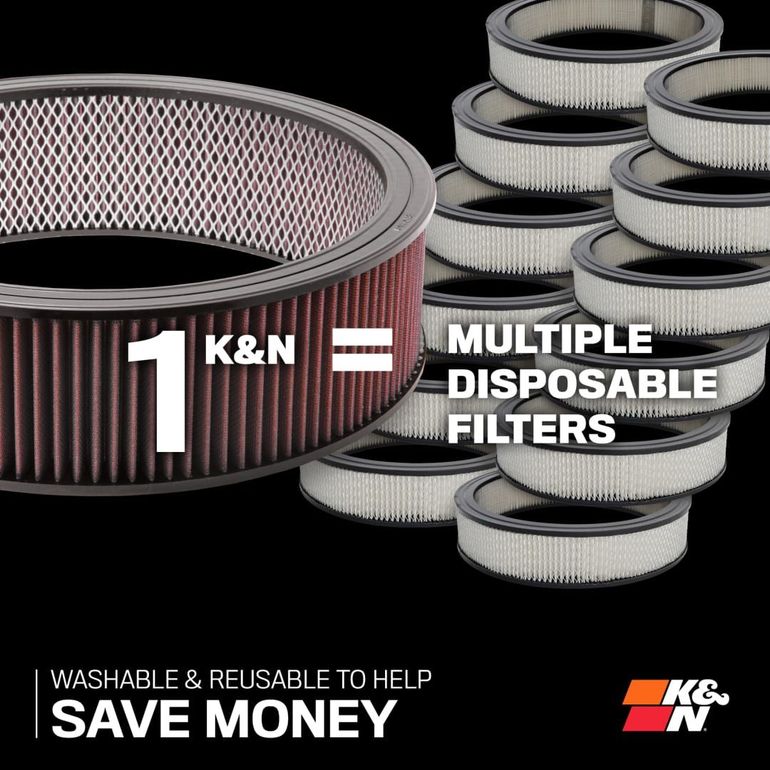
With proper care it usually lasts the life of the car, so its long-term cost is lower than buying paper filters again and again.
📲 Got a friend who loves dune bashing? Send them this cleaning schedule.
🔧 CarBoost is here to help: shop BMC filters and their cleaning kits, and genuine K&N filters, or book a filter cleaning at the CarBoost service center.