Free shipping for orders over 499 riyal


Quick answer: The main job of shock absorbers is to keep the tyres pressed onto the road, not just comfort. When they wear out, the tyre's load on the asphalt fluctuates, so braking distance gets longer (by several meters in emergency braking, according to some tests), ABS intervenes more, and the car leans more in corners and becomes less stable in quick lane changes. Have your shocks checked if you notice bouncing after speed bumps, nose-diving under braking or oil leaks.
Most drivers associate shock absorbers with ride comfort and smooth bumps. But from a safety standpoint, the suspension system (shocks, springs, control arms and bushings) is just as important as the brakes, because the brakes and steering only work properly when the tyres stay firmly in contact with the road.
The real job of shock absorbers: controlling spring movement
Springs carry the car's weight and absorb impacts. When you go over a bump, the spring compresses and then rebounds, and left alone it would keep oscillating several times. This is where the shock absorber comes in: a hydraulic damper that turns motion energy into heat and stops the oscillation quickly.
- A healthy shock: Damps spring movement quickly, so the tyre is pressing on the road again within moments.
- A worn shock: Due to oil leakage, lost gas pressure or worn internal valves, the car keeps bouncing, the tyre's pressure on the ground changes repeatedly, and on wavy roads the tyre can briefly lift off the asphalt.
Shocks wear gradually, so you may not notice the difference because you get used to it day by day, which is why periodic inspection matters.
How worn shock absorbers affect safety
Longer braking distance
For the brakes to work efficiently, each tyre must press on the road steadily. When braking hard in a car with worn shocks:
- Strong nose-dive at the front and lift at the rear, so the load on the rear tyres drops and they contribute less to braking.
- Fluctuating load on the front tyres instead of steady load, reducing available grip in repeated moments.
- More ABS intervention: When a tyre's load drops for a moment, it tends to lock, so ABS reduces brake pressure on it. The result is a longer stopping distance, especially on uneven roads.
Tests by some specialist organizations indicate that worn-out shocks can add several meters to the stopping distance from 80 km/h, a distance that can be the difference between stopping safely and a collision.
Loss of stability in corners and lane changes
When cornering or overtaking quickly, the car body leans outward (body roll). Weak shocks don't resist this lean or damp the rebound after it, so the car sways more, steering response becomes delayed, and the front (understeer) or rear (oversteer) can slide in a sudden maneuver. The risk is greater in tall vehicles such as SUVs and pickups, and at high speeds with crosswinds on highways.
Side effects: tyre wear and suspension damage
- Cupped tyre wear: Repeated tyre rebound creates a series of scalloped patches around the tread, causing a humming noise similar to a bad wheel bearing and shortening tyre life.
- Extra stress on bushings, ball joints and sway bar links: When a shock weakens, road impacts pass to the bushings, ball joints and sway bar links, so they wear faster and knocking noises appear.
- Effect on brakes: Excessive dive and vibration increase the load on the front brakes. You'll find details on rotors and pads in our rotor machining and brake pads guide.
Signs of worn shocks and suspension parts
Sign | Likely cause | Priority |
Continued bouncing after bumps | Weak damping inside the shock | High |
Wet oil and caked dust on the shock body | Failed seals | High |
Strong nose-dive when braking | Weak front shocks | High |
Excessive sway in corners or crosswinds | Weak shocks or sway bar links | High |
Cupped tyre wear | Repeated tyre rebound | Medium |
Knocking or clunking over potholes | Bushings, upper strut mounts or sway bar links | Medium |
A quick home test: Push down hard on a corner of the car and let go; if it bounces more than about one and a half times before settling, the shock is probably weak. This test is approximate, and an accurate check is done on a lift.
When should shock absorbers be replaced?
There's no single number for every car. Many technicians recommend inspecting them from around 80,000 km, and they may need replacing somewhere between 80,000 and 120,000 km depending on the vehicle and roads. Driving on dirt roads, potholes and heavy loads shortens their life. The key rule: replace shocks in pairs (both fronts or both rears together) so damping stays balanced on both sides, along with their mounts and dust boots if damaged, followed by a wheel alignment.
How we inspect suspension at the CarBoost Center
- Visual inspection of the shocks for leaks, a bent piston rod or a damaged upper mount.
- Checking bushings, ball joints and sway bar links on the lift for cracks and play.
- Tyre inspection for wear patterns that point to suspension or alignment problems.
- A test drive to observe sway, dive and noises.
- Wheel alignment after replacing any suspension part.
And remember the brakes themselves need care: old brake fluid reduces their effectiveness, as explained in our brake fluid change guide, and if the ABS light comes on in your dashboard, see our dashboard warning lights guide.
Recommended products from CarBoost
- Mobco tyre pressure gauge
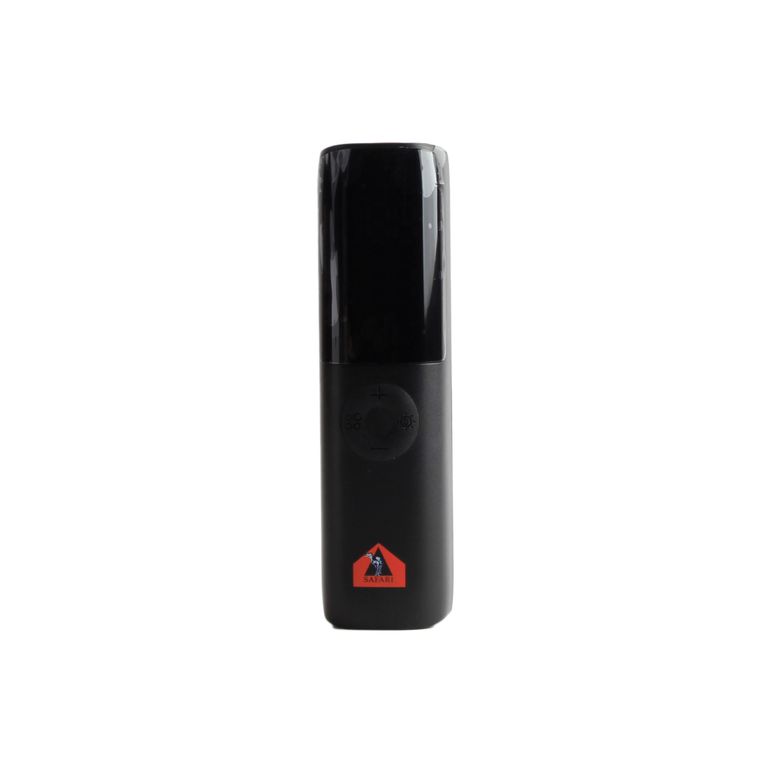
- Safari Smart Digital tyre inflator
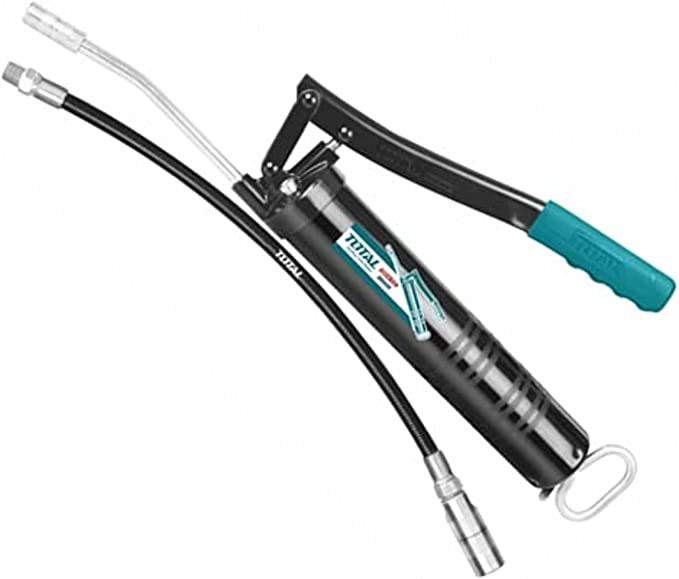
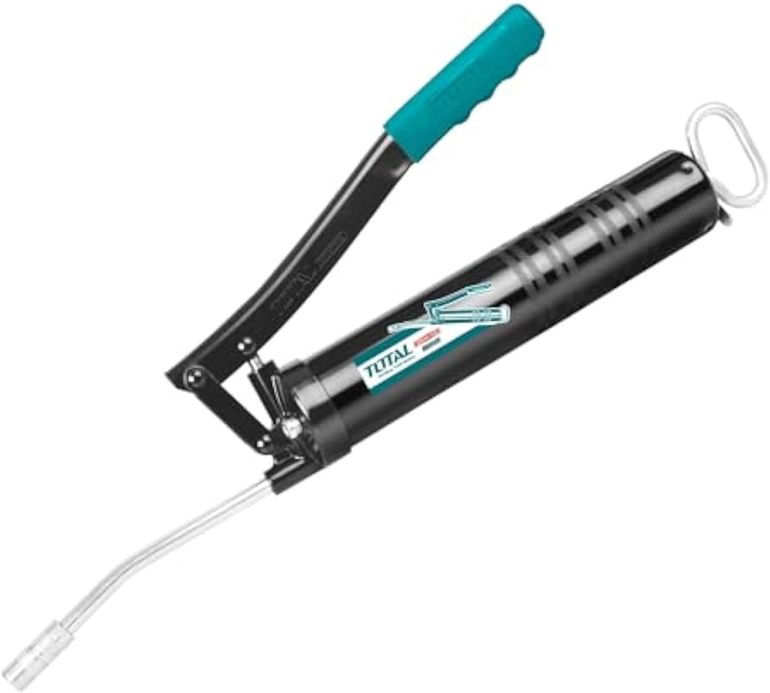
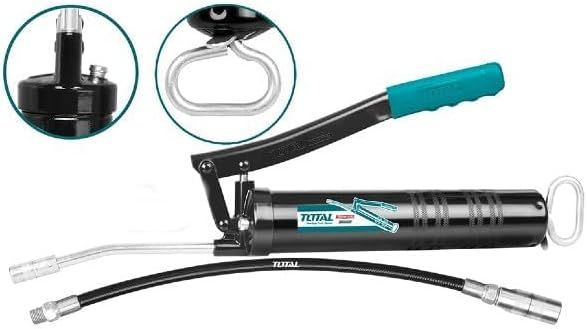
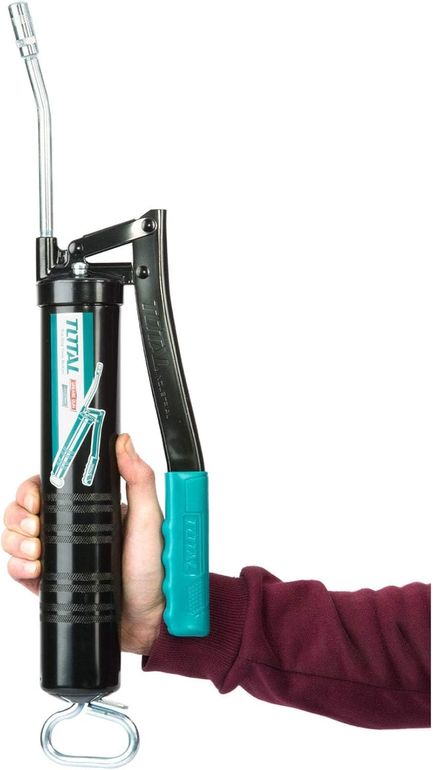
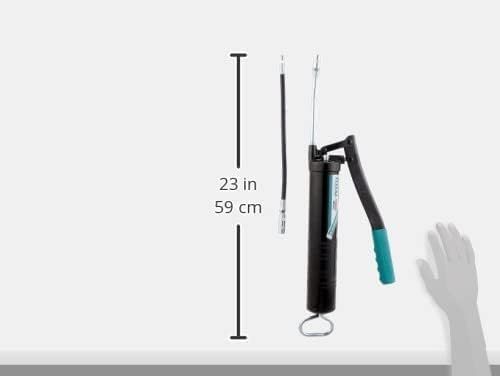
- TOTAL 400cc manual grease pump
- Browse the maintenance tools and safety tools categories
FAQ
How do I know if my shock absorbers are bad?
The main signs: the car bounces after bumps, the nose dives when braking, it sways in corners, there's oil leaking on the shock, and the tyres show cupped wear.
Can I replace just one shock absorber?
It's best to replace them in pairs on the same axle, because a new shock next to an old one creates a damping difference between the two sides that affects stability and braking.
Do worn shocks affect the tyres?
Yes. They cause irregular cupped wear and a humming noise, and noticeably shorten tyre life, so check the shocks before fitting new tyres.
📲 Share this article with anyone who feels their car "floats" on the highway or sways in turns.
🔧 CarBoost is here for you: Shop tyre and maintenance tools in our maintenance tools category, or book a shock absorber and suspension inspection at the CarBoost Center.