Free shipping for orders over 499 riyal



Quick answer: The most common causes of weak power and a rough idle are worn spark plugs or a weak ignition coil, or dirty injectors and a clogged fuel filter that restrict fuel delivery. Start with a diagnostic scan for misfire codes, then check the spark plugs according to their age (copper roughly every 20–30 thousand km, iridium every 100 thousand km or more), and clean the fuel system with the right cleaner or at the service center.
Has your car started to feel "heavy" when you press the accelerator? Or do you feel a shudder at traffic lights along with higher fuel consumption? These are direct messages from the combustion system. Engine performance depends on a basic triangle: air, fuel and spark, and any fault in spark quality or in the amount and spray of fuel robs the engine of efficiency and strains it.
Spark plugs: the source of the spark
A spark plug's job is to fire a very high-voltage spark (tens of thousands of volts generated by the coil) in a fraction of a second to ignite the air-fuel mixture. Over time its electrodes wear and the gap between them widens, so the coil needs a higher voltage, until the spark weakens or drops out.
Spark plug types and their differences
Type | Characteristics | Approximate life | Use |
Copper | Copper core with a nickel-alloy electrode; excellent conductivity but the electrode wears quickly | 20,000 – 30,000 km | Older cars and some simple engines |
Platinum / Double Platinum | Electrode withstands heat and wear much better | 60,000 – 100,000 km | Mid-age cars |
Iridium | A harder metal that allows a very fine tip, giving a focused, stable spark | 100,000 km or more (some up to 160,000 km per the manual) | Most modern and turbocharged cars |
CarBoost engineer's tip: Stick to the part number, heat range and gap specified by the manufacturer. A plug with the wrong heat range may foul with carbon or run too hot and cause pre-ignition that can damage the piston. Iridium plugs usually come pre-gapped, so don't press on their fine tip with gapping tools.
Don't forget the coils
In modern engines each cylinder has its own coil. A weak coil causes the same symptoms as a bad plug, and sometimes a plug left worn for too long is what overloads the coil until it fails. That's why both are checked together.
The fuel system: how does petrol reach the combustion chamber?
- Fuel pump: pumps fuel from the tank at a specific pressure.
- Fuel filter: traps impurities before they reach the injectors. In some cars the filter sits inside the tank with the pump and is replaced at long intervals.
- Injectors: turn petrol into a very fine spray that mixes evenly with air. Any deposits on their nozzles change the spray pattern and quantity.
Direct injection (GDI) vs port injection (MPI)
With port injection, fuel is sprayed into the intake port and constantly washes the intake valves. With direct injection (GDI / TGDI), fuel is sprayed at very high pressure directly into the cylinder, which increases power and saves fuel, but the intake valves are no longer washed by fuel, so hard carbon deposits from oil vapors build up on them. Fuel cleaners help clean the injectors and combustion chamber, but they don't reach the intake valves in GDI engines; details are in The hidden danger in GDI engines and how intake valves are cleaned.
Symptoms of worn spark plugs and a dirty fuel system
Symptom | Likely cause | Result |
Rough, stumbling idle | Worn plug, weak coil or clogged injector | Misfire and fluctuating RPM |
Slow starting in the morning | Weak fuel pump or bad plugs | Low fuel pressure or a weak spark |
Weak acceleration and response | Clogged fuel filter or injectors, or a dirty MAF sensor | Lean mixture under load |
Higher consumption and a fuel smell | Incomplete combustion from a weak spark or a leaking injector | Unburnt fuel reaching the exhaust and damaging the catalytic converter |
Flashing Check Engine light | Severe misfire | Slow down and get it checked immediately to protect the catalytic converter |
Codes such as P0300 to P0306 indicate a misfire in a specific cylinder or a random one; read What does the Check Engine light mean? to understand the diagnosis. Ignoring a misfire sends unburnt fuel to the catalytic converter, raising its temperature and shortening its life; see How to protect your catalytic converter from clogging.
Fuel system cleaners: when do they help?
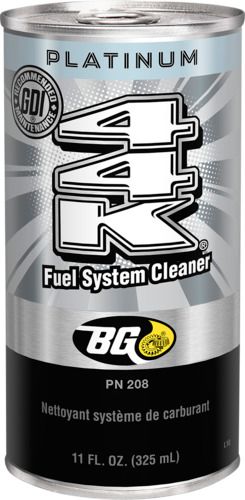
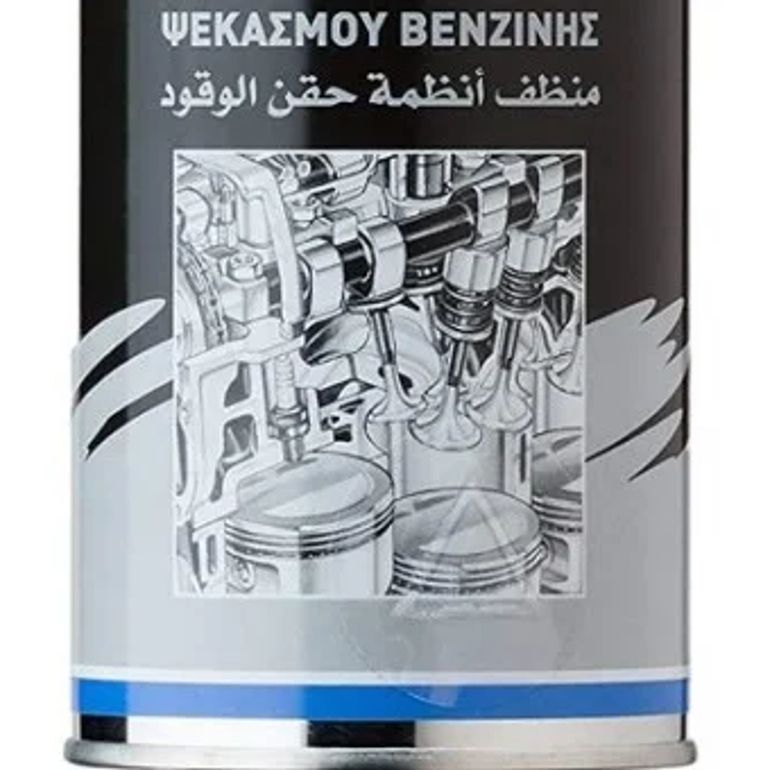
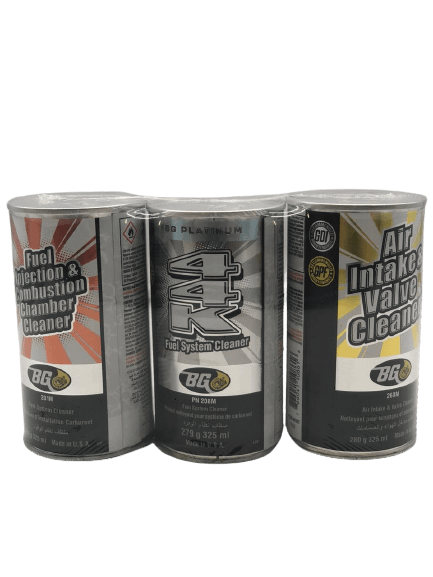
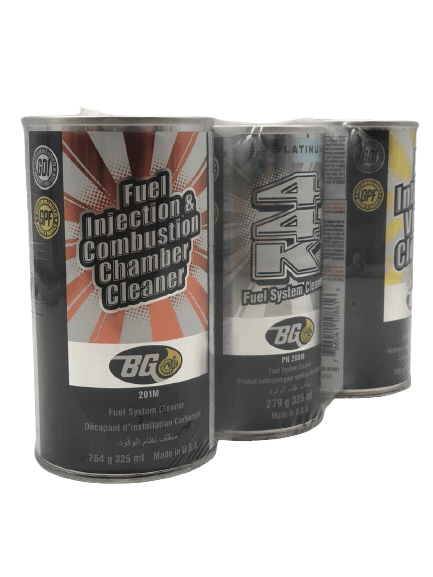
Strong petrol cleaners (such as BG 44K) are added to the fuel tank and help dissolve deposits on the injectors and in the combustion chamber. They are useful as preventive maintenance roughly every 5,000 to 10,000 km, or when a slight roughness appears due to deposits. But they don't fix a worn plug, a failed coil or a weak pump. For a comparison of cleaners and when the MAF sensor needs cleaning, read Cleaning the MAF sensor, injectors and catalytic converter.
The service plan at the CarBoost center
- Diagnostic scan and reading the misfire counters for each cylinder.
- Removing the spark plugs and checking their condition, color and gap, as plug color reveals a lot about combustion (oil, carbon, overheating).
- Testing the coils and swapping them between cylinders when needed to pinpoint the faulty part.
- Ultrasonic cleaning and testing of the injectors to measure flow, spray pattern and balance between cylinders.
- Measuring fuel pressure to confirm the pump and regulator are healthy, and replacing the fuel filter per the maintenance schedule.
Recommended products from CarBoost
- BG 44K Fuel System Cleaner
- BG GDI Fuel Cleaning Kit
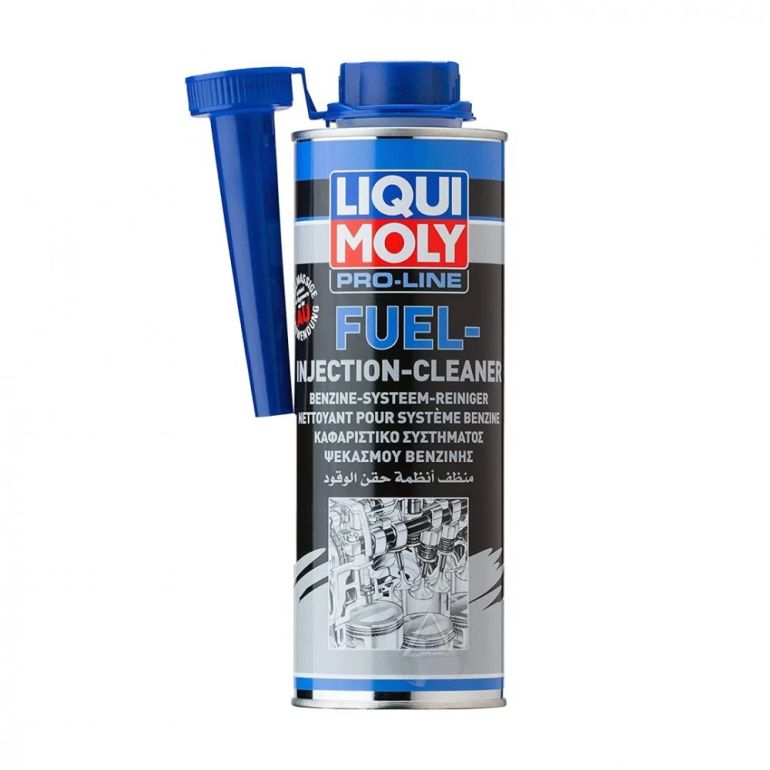
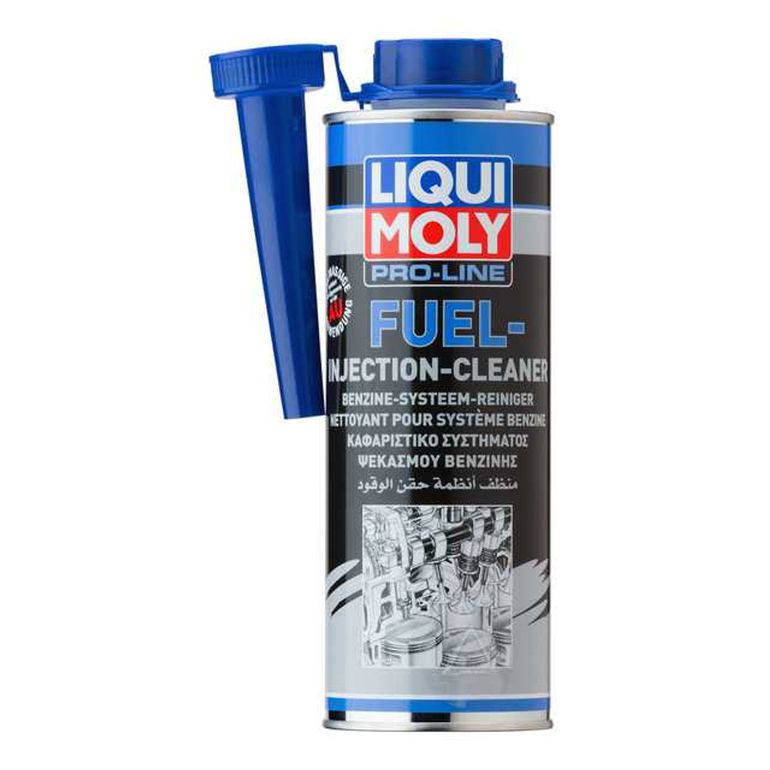
- Liqui Moly Pro-Line Fuel Injection Cleaner
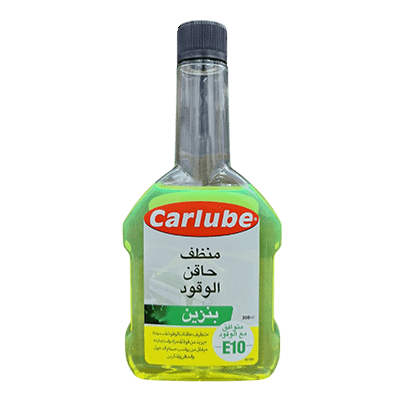
- Carlube Fuel Injector Cleaner
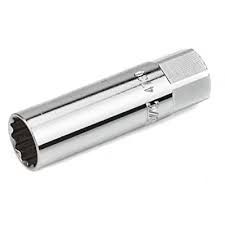
- JTC 14mm Spark Plug Socket
- Fuel system cleaners and additives
- Fuel-added injector cleaners
FAQ
How many kilometers before changing spark plugs?
It depends on the type and your owner's manual: copper roughly every 20 to 30 thousand km, platinum 60 to 100 thousand, and iridium from 100 thousand km or more. In turbo engines or when misfires occur, an earlier check is advisable.
Does injector cleaner fix a rough idle?
If the cause is deposits on the injectors, it may improve it noticeably. But if the cause is a worn plug, a failed coil or a vacuum leak, it won't, which is why a diagnostic scan comes first.
Should I replace all the spark plugs or just the bad one?
It is recommended to replace them as a complete set with the same type and part number, so the spark is equal in all cylinders and the engine runs smoothly.
📲 Does a friend's car shudder at the lights? Send them this article.
🔧 CarBoost at your service: Shop injector and fuel system cleaners from the fuel system cleaners section, or book a spark plug check and injector cleaning at the CarBoost center.