
 Free shipping for orders over 399riyal


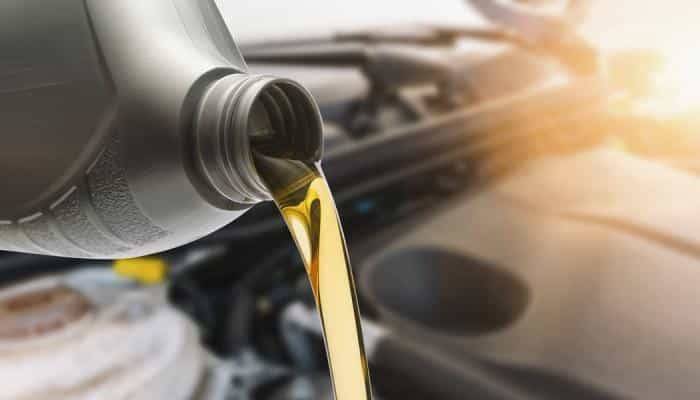
Engine oil is often called the "lifeblood" of an engine, performing vital functions that ensure optimal performance and longevity. This article explores the importance of engine oils, their types, and how to choose the right one for your vehicle.
Essential Functions of Engine Oil:
- Lubrication: Creates a thin film between moving metal parts to prevent direct contact, friction, and wear.
- Cooling: Helps dissipate heat generated by fuel combustion and moving components.
- Cleaning: Carries away contaminants, sludge, and microscopic particles to the filter for removal.
- Rust and Corrosion Protection: Coats metal surfaces with a protective barrier against oxygen and moisture.
- Sealing: Helps seal piston rings and gaskets, preventing gas leakage and improving compression.
Types of Engine Oils:
- Mineral Oils: Derived from crude oil, cost-effective, suitable for older or simple engines.
- Semi-Synthetic Oils: A blend of mineral and synthetic oils, offering a balance between performance and price.
- Fully Synthetic Oils: Chemically engineered, providing maximum protection and performance under extreme temperatures.
Viscosity Grades (SAE):
Engine oils are classified by viscosity using the SAE system, such as:
- 0W-20, 5W-30, 10W-40, 20W-50
- The number before "W" indicates cold-temperature performance (Winter)
- The number after the dash represents viscosity at high operating temperatures
Tips for Choosing the Right Oil:
- Follow your vehicle manufacturer's recommendations
- Consider your driving conditions and local climate
- Choose oil appropriate for your engine's age and mileage
- Never neglect regular oil and filter change intervals
- Use high-quality oils from reputable brands
Additional Important Information:
API Service Categories: Look for API (American Petroleum Institute) ratings like SP, SN, or CK-4 for diesel engines.
ILSAC Standards: For fuel economy and emissions system protection.
Oil Change Intervals: Typically every 5,000 to 10,000 km depending on oil type and driving conditions.
Conclusion:
The engine oil department is at the heart of vehicle maintenance. Investing in quality oil and changing it regularly will protect your engine, extend its lifespan, improve performance, and save you from costly repairs. Remember: good oil equals a happy, long-lasting engine.