Free shipping for orders over 499 riyal


Quick answer: Rotor machining only helps when the rotor surface has light scoring or a small thickness variation causing judder, and only if its thickness after machining stays above the minimum stamped on the rotor. If the rotor is thin, cracked or has blue heat spots, machining is dangerous and the answer is replacement. As for pads, ceramic pads are quieter, produce less dust and are gentler on rotors for daily driving, while semi-metallic pads handle extreme heat and heavy loads better.
Shaking in the steering wheel or pedal when braking, or a sharp squeal at every stop, are among the symptoms that worry drivers most. The brake system is your first line of defense, and its performance depends on two parts working together: the rotors (brake discs) and the pads. So when is machining enough? When must you replace? And which pads suit your car?
Brake judder and squeal: what are the real causes?
Pedal or steering wheel judder when braking
The common belief is a "warped rotor", but in most cases the actual cause is disc thickness variation (DTV): uneven layers of pad material deposited on the surface or irregular wear, which often starts with slight lateral runout caused by rust or dirt on the hub face or unevenly tightened wheel nuts. Extreme heat, such as long mountain descents with constant braking or holding the brake pedal while the rotor is very hot, makes it worse.
If the steering wheel shakes only when braking, it is usually the front rotors. If it shakes at certain speeds without braking, the cause may be wheel balancing or suspension parts, and we recommend reading our shock absorbers and stability guide.
Squealing or grinding
- Wear indicator: A small metal tab that rubs the rotor when the pad is nearly worn out, to warn you it's time to replace it.
- Pad glazing: A shiny, hardened surface caused by high heat and repeated hard braking.
- Low-quality pads with harsh friction material or without anti-noise shims.
- Dust and sand between the pad and rotor, which is common in Saudi conditions.
- Harsh metallic grinding: A serious sign that usually means the pad is completely worn and metal is hitting the rotor; get it checked immediately.
Rotor machining: when it helps and when it becomes dangerous
Machining (rotor resurfacing) removes a thin layer from the rotor surface to make it flat and parallel again, so new pads make full contact with it.
When is machining appropriate?
- Light, shallow scoring or circular lines.
- Minor thickness variation causing light judder.
- When fitting new pads to an uneven surface, provided the thickness allows it.
When should you replace instead of machining?
Every rotor has an engineering limit called the minimum thickness, stamped on the rotor edge or hat, such as "MIN TH 26mm".
A note from CarBoost technicians: Machining a rotor without measuring it with a micrometer can take it below the safe limit. A thin rotor absorbs less heat and sheds it more slowly, leading to brake fade under heat, judder coming back quickly and, in severe cases, a cracked rotor.
- Current thickness is close to the minimum, or will fall below it after machining.
- Cracks, or blue/dark spots from overheating.
- A clear lip on the rotor edge or deep wear.
- Many modern rotors are thin from the factory, and some manufacturers recommend replacing them with every set of pads or every second set.
At the CarBoost Center, we measure rotor thickness and runout before any decision; if machining would exceed the allowed limit, we recommend replacement straight away.
Condition | Right decision |
Light scoring, good thickness | Light machining with new pads |
Minor judder, thickness allows | Machining, cleaning the hub face and torquing the nuts correctly |
Thickness close to minimum | Replace |
Cracks, blue spots or deep wear | Replace immediately |
Ceramic vs. semi-metallic pads
Comparison | Semi-metallic | Ceramic |
Composition | Metal fibers (iron/steel) with binders | Ceramic fibers and compounds with little metal |
Stopping power | Very strong, especially under load and high heat | Strong and smooth for daily use |
Wheel dust | High and dark | Low and light-colored |
Noise | Can be louder | Usually quiet |
Effect on rotor | Wears the rotor faster | Gentler on the rotor |
Extreme heat tolerance | Excellent (towing, loads, spirited driving) | Very good for daily driving and road trips |
Best for | Pickups, heavy vehicles and towing | Passenger cars, city and highway driving |
More important than the type: choose pads that meet the manufacturer's specification and come from a trusted source, because counterfeit pads can lose their bite quickly under heat.
Tips for a longer brake system life
- Bed in new pads: After fitting, do several consecutive moderate stops from about 60 to 10 km/h without coming to a full stop, then let the brakes cool. Avoid hard braking for the first 200 to 300 km.
- Don't hold the brake pedal after a hard stop while the rotor is very hot, because this imprints pad material on one spot.
- On long descents, use a lower gear for engine braking instead of constant pedal pressure.
- Check brake fluid periodically: It absorbs moisture over time and its boiling point drops. See our brake fluid change guide for details.
- Clean and lubricate caliper parts with brake-specific products when changing pads to reduce noise and uneven wear.
And if the red brake light comes on in the dashboard, don't ignore it; check what it means in our dashboard warning lights guide.
Recommended products from CarBoost
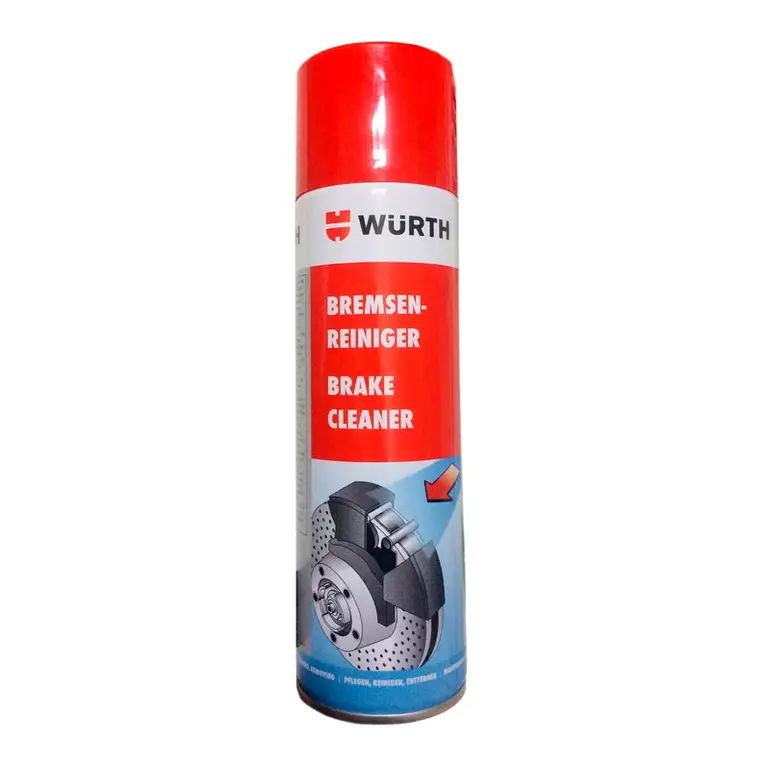
- Würth brake cleaner spray 500 ml
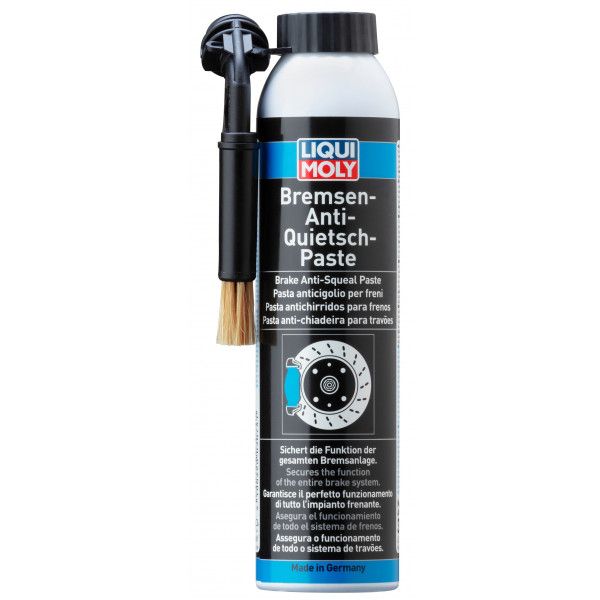
- Liqui Moly brake anti-squeal
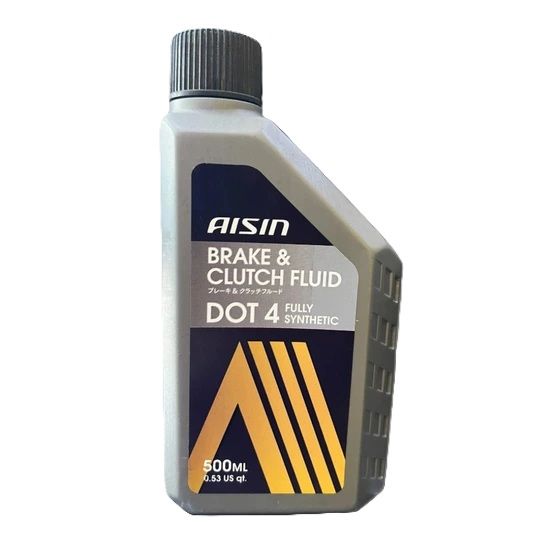
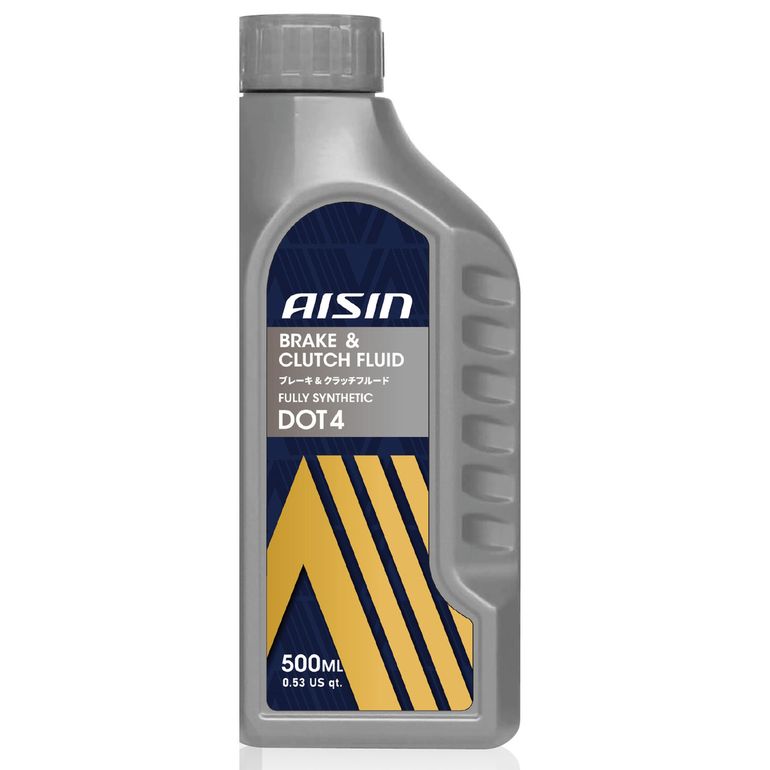
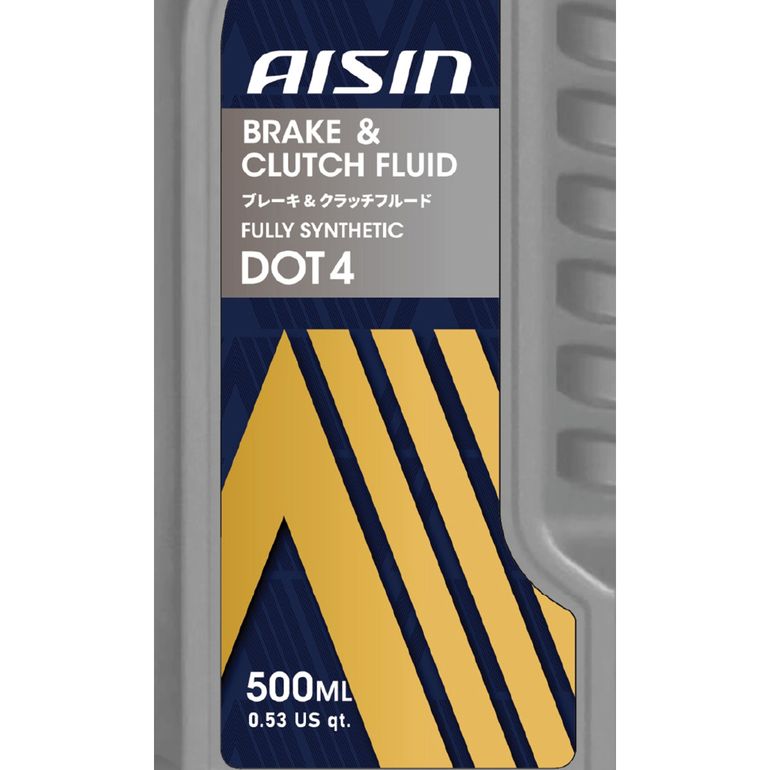
- AISIN DOT 4 synthetic brake fluid 500 ml
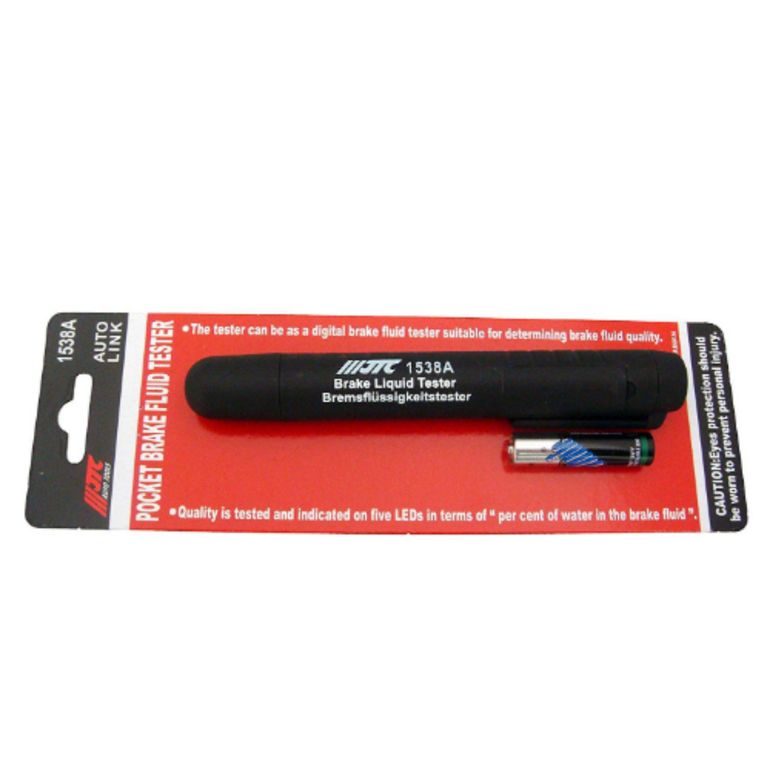
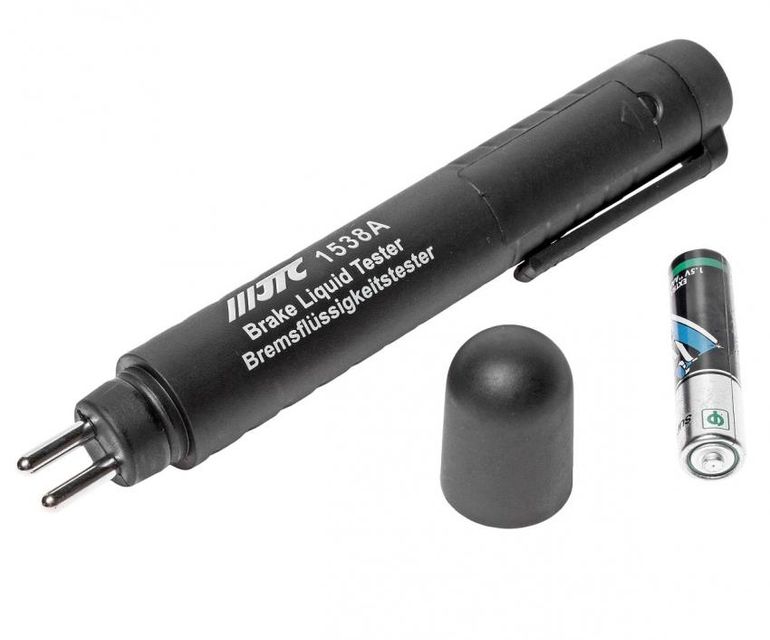
- JTC brake fluid tester
- Browse the brake cleaner and brake fluid categories
FAQ
Do I need to machine the rotors every time I change the pads?
No. If the rotor surface is flat with no judder or deep scoring and the thickness is good, you can fit new pads without machining. Unnecessary machining shortens rotor life.
How many times can a rotor be machined?
It depends on its original thickness and the minimum stamped on it. Some rotors allow only one machining, and some allow none, so a micrometer measurement is the deciding factor.
Are ceramic pads suitable for Saudi Arabia's hot weather?
Yes, good ceramic pads handle the heat of daily driving and road trips very well. For towing and constant heavy loads, semi-metallic pads are the stronger choice.
📲 Share this article with anyone feeling brake judder who can't decide whether to machine or replace.
🔧 CarBoost is here for you: Shop brake cleaners and brake fluids in our brake fluid category, or book a rotor and pad inspection at the CarBoost Center.