Free shipping for orders over 499 riyal



Quick answer: No. Passing 100,000 km is not, by itself, a reason to increase your engine oil viscosity. Modern engines are designed to run their whole life on the viscosity listed in the owner's manual, and a thicker oil can slow down the valve timing system, reduce oil flow and raise fuel consumption. If your engine is healthy, stick with the manufacturer's viscosity, and you can choose a High Mileage formula in the same grade. Going up a grade only makes sense after a diagnosis, and only by one step within what the manufacturer allows.
"Your car has passed 100k, switch to a thick 10W-40 or 20W-50" is one of the most common pieces of advice handed down in workshops. The idea is that the engine "loosens up" with use and needs thicker oil to fill the gaps. But modern engines work by different rules, and in many cases this advice does more harm than good.
Where did the "thick oil" myth come from?
- Older engines: engines from the 1980s and 1990s had wider clearances between parts and no precise hydraulic systems controlling valve timing.
- Older oils: conventional mineral oils oxidized and lost viscosity quickly in the heat, so thicker oil was a temporary fix for noise or oil consumption.
Today engines are built to very tight tolerances, their oil passages are narrower, and many are designed from the start for light oils such as 0W-20 and 5W-30. To understand these numbers in detail, read our explanation of engine oil viscosity grades.
Why stick with the manufacturer's viscosity after 100,000 km?
As long as the engine is not consuming noticeable amounts of oil and has no leaks or exhaust smoke, the rule is clear: use the viscosity and specification in the owner's manual. This isn't the manufacturer being overly cautious; the engine design itself is built around it, as we explain in our article on following manufacturer recommendations.
1) Variable valve timing (VVT / VANOS / VTEC)
These systems adjust valve timing using oil pressure itself, through precise hydraulic valves and actuators. Oil that is thicker than specified can slow their response, so you may notice weaker torque or rough running, and the engine light may come on with camshaft timing codes such as P0011 or P0014.
2) Lubrication at startup
A large share of engine wear happens in the first seconds after startup, before oil reaches every part. The right oil gets to the cylinder head and camshaft quickly. Saudi Arabia's hot climate does make the first number (W) less critical, but the second number (high-temperature viscosity) determines how easily oil flows through narrow passages while the engine is running.
3) Cooling and heat transfer
Oil doesn't only lubricate; it also carries heat away from the pistons, bearings and turbo. Oil of the correct viscosity circulates at a flow rate suited to the pump and passage design, while much thicker oil moves more slowly and increases internal friction.
Risks of randomly going thicker
- More internal friction and heat: thick oil resists movement through narrow passages.
- Higher fuel consumption: the engine works harder to turn the pump and moving parts.
- Hydraulic lifter ticking: in some engines the lifters are slow to fill, causing a ticking noise at startup.
- Timing system faults: slower VVT response and fault codes.
- Masking the real problem: thick oil can temporarily hide a symptom like oil consumption or noise while the cause (piston rings, PCV valve, valve stem seals, turbo) gets worse.
When is changing viscosity justified?
Changing viscosity is not a preventive step at a certain odometer reading. It is a remedy after a diagnosis, in cases such as:
- Noticeable and increasing oil consumption with no external leak, after checking the PCV valve, turbo and cylinder compression.
- Low oil pressure, confirmed by measurement, in an engine with very high mileage.
The rule: check the owner's manual first; many manufacturers list more than one permitted viscosity depending on temperature or region. If going thicker is necessary, go up one grade only (for example from 0W-20 to 5W-30 if permitted), not straight to 20W-50.
The smarter option: High Mileage oils
If your car has passed 100,000 km and you want extra protection, the better choice is usually the same recommended viscosity in a High Mileage formula from a trusted brand:
- It keeps the factory viscosity (such as 0W-20 or 5W-30).
- It contains seal conditioners that help reduce minor leaks.
- It often has more detergents and anti-wear additives.
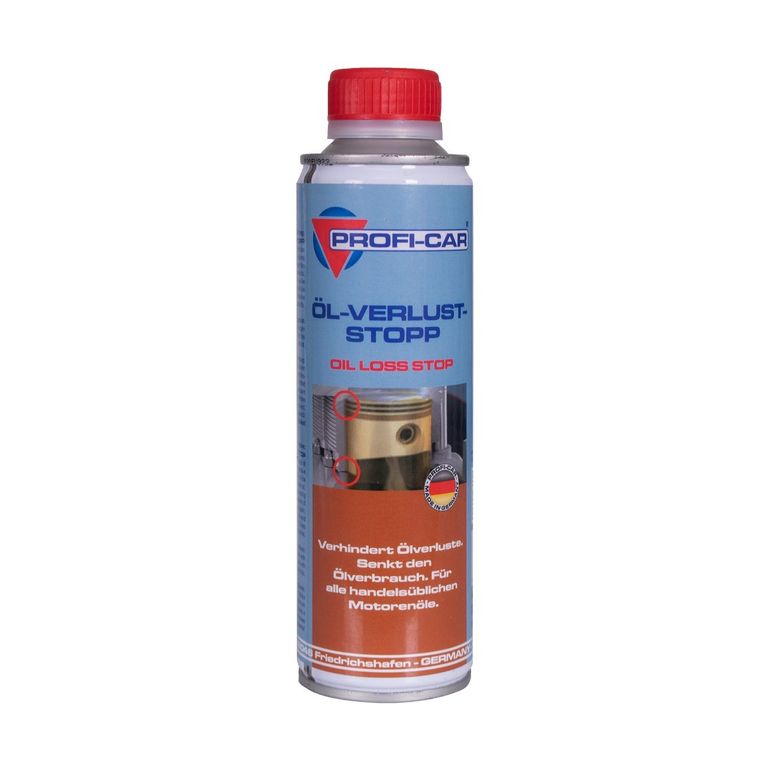
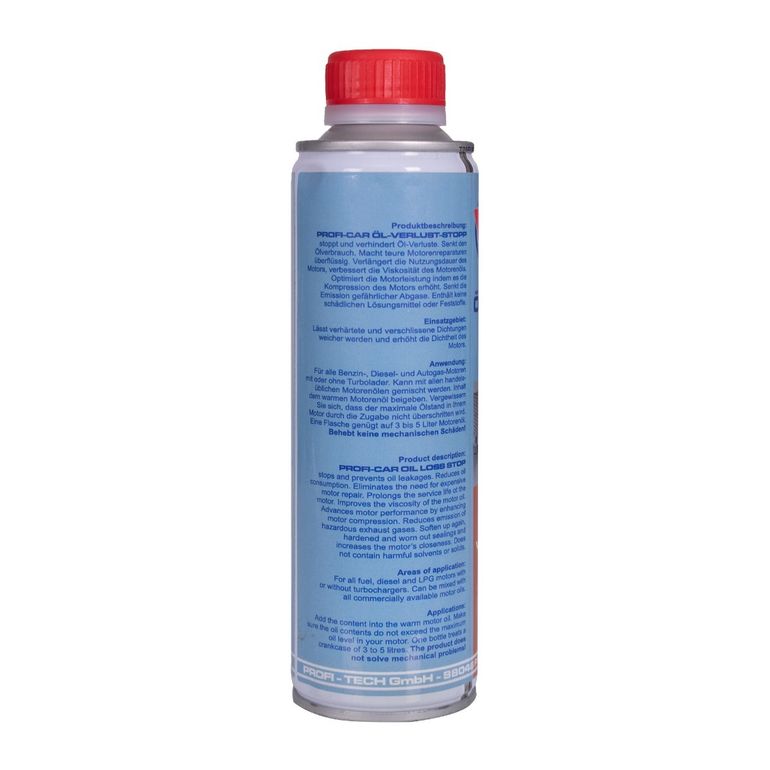
If there is a minor seal leak, an oil stop-leak additive may help as a temporary measure, but it is no substitute for a repair when the leak is obvious.
Comparison: manufacturer viscosity vs. random thickening
Aspect | Manufacturer viscosity (quality oil) | Random thickening after 100,000 km |
VVT system | Normal response and smooth acceleration | Possible slow response and fault codes |
Lubrication at startup | Oil reaches the top of the engine quickly | Slower flow through narrow passages |
Fuel consumption | Normal for the engine design | Higher due to more internal friction |
Hydraulic lifters | Quiet operation | Ticking may appear in some engines |
Hidden problems | Show up early and are easy to diagnose | May be masked temporarily and get worse |
CarBoost tips for engines past 100,000 km
- The owner's manual is the reference: viscosity and approval (API, ACEA or manufacturer approval) together, not viscosity alone.
- Use fully synthetic oil when recommended: it resists oxidation and heat better, which matters in a Saudi summer.
- Buy from a trusted source: counterfeit oil breaks down quickly whatever its viscosity.
- Check the oil level every two to four weeks: so you catch any consumption early.
- Change the filter with every oil change and stick to the right interval: see our table of how many kilometers engine oil lasts by oil type and driving conditions.
Recommended products from CarBoost
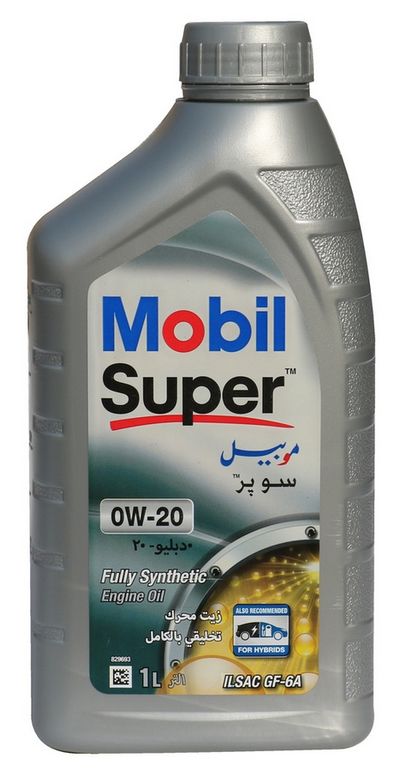
- Mobil Super 0W-20 Fully Synthetic 1L
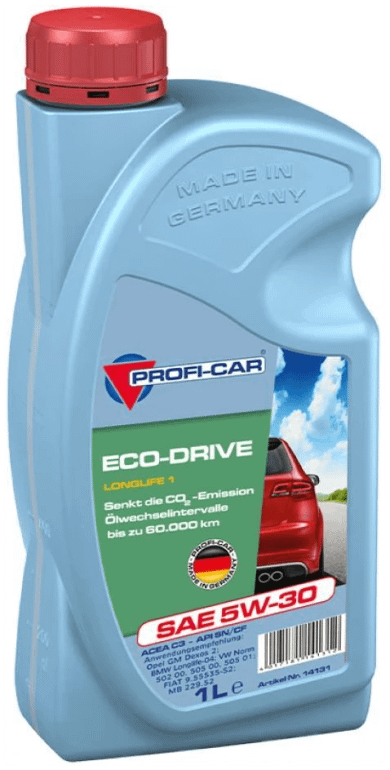
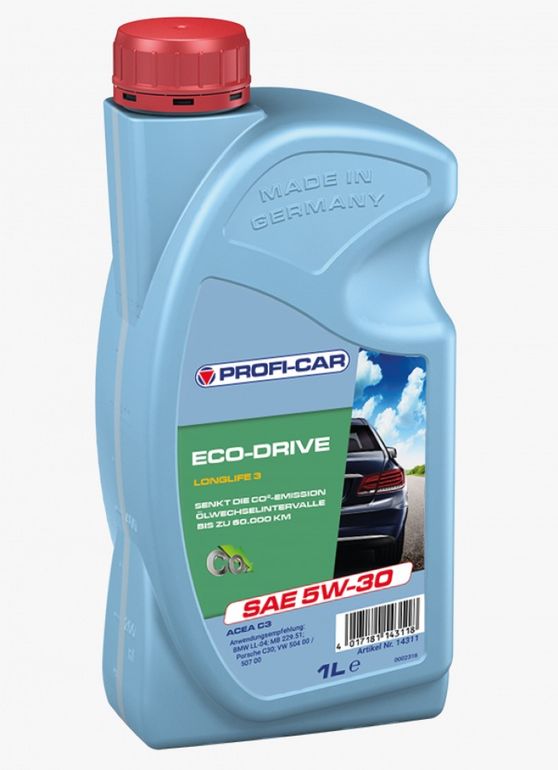
- Profi-Car 5W-30 C2/C3 Fully Synthetic 1L
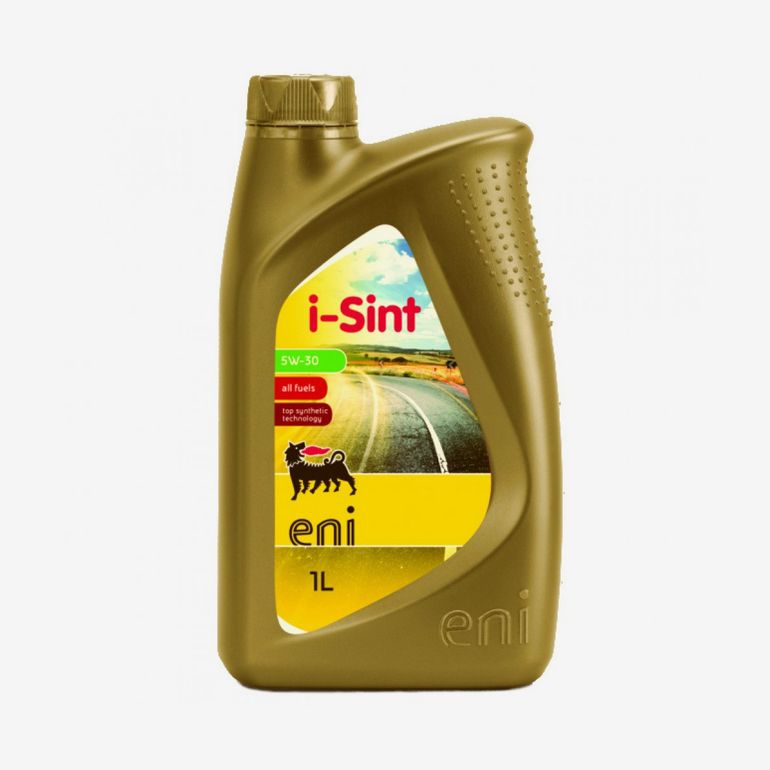
- ENI i-Sint MS 5W-30 Fully Synthetic 1L
- Profi-Car Oil Leak Stop & Consumption Reducer
- Fully synthetic oils
- Engine oil stop-leak
FAQ
Should I use 20W-50 in an older car in Saudi Arabia?
Only if the owner's manual allows it. Some older engines were designed for thicker oils, but most modern engines don't need it and it may harm them, especially those with VVT.
My engine burns oil. Is thicker oil the fix?
It's better to diagnose the cause first (external leak, PCV valve, piston rings, valve stem seals, turbo). Thicker oil may reduce consumption temporarily but it doesn't fix the cause.
Is High Mileage oil right for every car past 100k?
For most, as long as its viscosity and approval match what the manufacturer requires. In modern European cars, the manufacturer approval (such as VW or MB) matters more than the words "High Mileage".
📲 Share this article with anyone who's been told to switch to thick oil after 100k!
🔧 CarBoost is here for you: Shop genuine engine oils in every viscosity in our engine oils section, or book an oil change and engine check at the CarBoost center.