Free shipping for orders over 499 riyal



Quick answer: Choose your engine oil in three steps: (1) the viscosity listed in your owner's manual or on the oil filler cap (such as 0W-20 or 5W-30), (2) the required specification (API SP, ACEA or a manufacturer approval such as dexos or MB 229), and (3) a fully synthetic oil if you drive in heat and heavy traffic. Brand and price come after that, provided the oil is genuine and from a trusted source.
Step 1: Start with the owner's manual, not a friend's advice
The manufacturer designed the engine around a specific viscosity and specification, and any random change can reduce protection or increase fuel consumption. You will find this information in:
- The owner's manual (the specifications or "Capacities and Specifications" section).
- The oil filler cap on some cars (marked, for example, 0W-20).
- The manufacturer's or dealer's website, using your VIN.
Why does sticking to it matter? We explain in detail in our article Why you should follow the manufacturer's recommendations when choosing engine oil.
Step 2: Understand the viscosity number (e.g. 5W-30)
- The number before W (Winter): how easily the oil flows at a cold start. The lower the number (0 or 5), the faster the oil reaches engine parts at start-up.
- The number after the dash: the oil's thickness at operating temperature (100°C). A higher number (40 or 50) means a thicker oil film.
In Saudi Arabia we don't need protection from freezing cold, but a "cold" start happens every day after any long stop, and a large share of engine wear happens in the first seconds after start-up, before the oil reaches every part. That is why low numbers before the W are useful even in the heat. For a full explanation of each number, see What do 5W30, 5W40, 10W40 and 20W50 mean?
Common viscosities and when they are used
Viscosity | Usually used in | Note |
Modern Toyota, Lexus, Honda and hybrids | Don't swap it for a thicker grade without a recommendation; modern engines are designed for it | |
Ford and some Hyundai and Kia models | An older alternative to 0W-20 in some models | |
Most Japanese, Korean, American and European cars | The most in-demand grade in the Saudi market | |
European engines (Mercedes, BMW, Volkswagen) and turbos | Look for the manufacturer's approval on the bottle | |
Older cars and high-mileage engines | Usually semi-synthetic | |
Very old engines and some diesels | Don't use it in a modern engine designed for 0W-20 or 5W-30 |
To dig deeper: Should you increase oil viscosity after 100,000 km?
Step 3: Check the specification (API, ACEA and manufacturer approvals)
Viscosity alone is not enough. Every genuine oil bottle carries codes proving it has passed specific tests:
- API SP or SQ: the latest gasoline engine categories, which protect turbocharged engines against low-speed pre-ignition (LSPI).
- ILSAC GF-6 / GF-7: focused on fuel economy and protecting the turbo and timing chain.
- ACEA C2 / C3 / A3/B4: European standards; C3 is important for cars fitted with a diesel particulate filter (DPF).
- Manufacturer approvals: such as dexos1 for General Motors, MB 229.5 for Mercedes, VW 504 00 for Volkswagen, and BMW LL-01.
The full explanation is in our guide to API, ACEA and OEM engine oil specifications, and why they matter for turbo engines in how to protect your turbo from LSPI.
Step 4: Choose the oil type that suits how you drive
Type | Suits | Approximate interval in Saudi Arabia |
Mineral | Older cars and light use | 3,000 – 4,000 km |
Semi-synthetic | Moderate daily use | 5,000 – 6,000 km |
Fully synthetic | Extreme heat, heavy traffic, turbos, long trips | 7,500 – 10,000 km |
The detailed interval table is in our article How many kilometers does engine oil last?
Step 5: The brand… and above all, make sure it's genuine
Well-known global brands such as Motul, Liqui Moly, Fuchs, AMSOIL, Mobil and Castrol are all good as long as they match the viscosity and specification. For a direct comparison, read Best 5W30 oil: brand comparison. The real difference that harms your engine is counterfeit oil, so buy from a trusted source. Read: The dangers of fake oils and filters and how to spot them.
Quick recommendations by car type
- Modern Toyota, Lexus and Honda: 0W-20 fully synthetic, API SP.
- Hyundai, Kia and Nissan: 5W-30 or 0W-20 depending on model and engine.
- American (Chevrolet, GMC, Ford): 5W-30 or 0W-20, with dexos1 approval for GM vehicles.
- European (Mercedes, BMW, Audi): 5W-30, 5W-40 or 0W-30 with the specific manufacturer approval.
- Modern diesel with a DPF: a Low SAPS oil meeting ACEA C3 or the manufacturer's approval.
These are general recommendations; your owner's manual is the final reference.
Recommended products from CarBoost
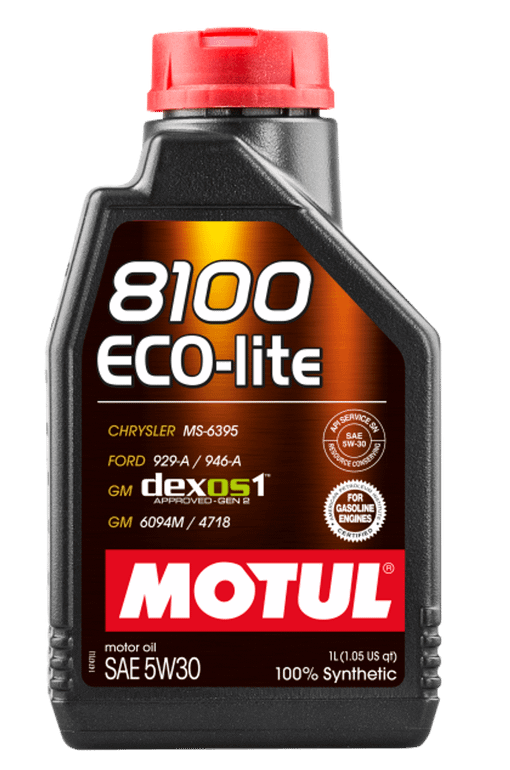
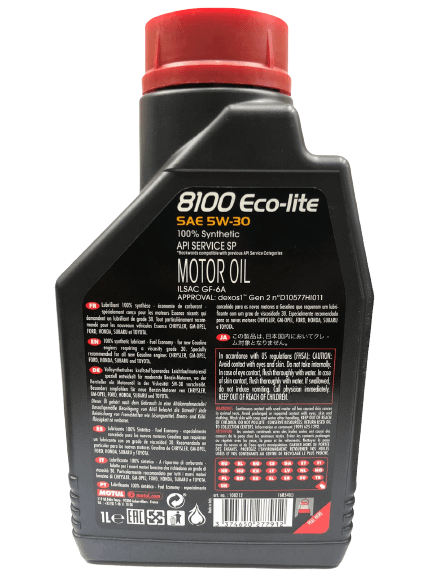
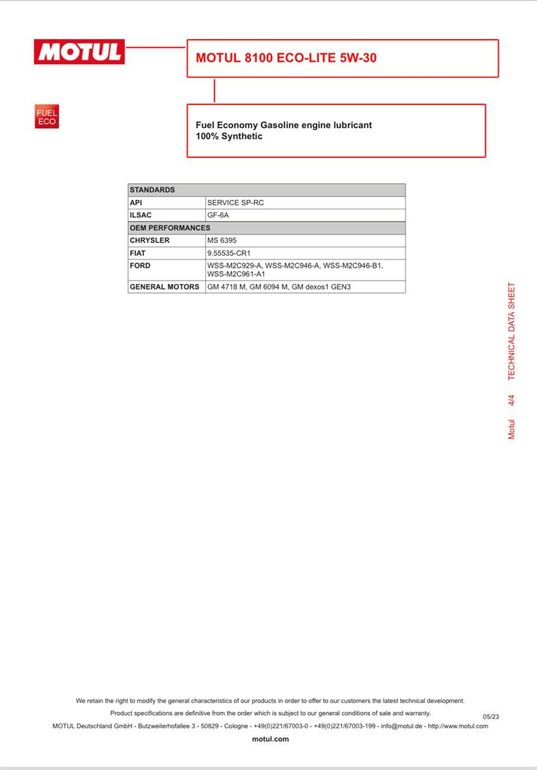
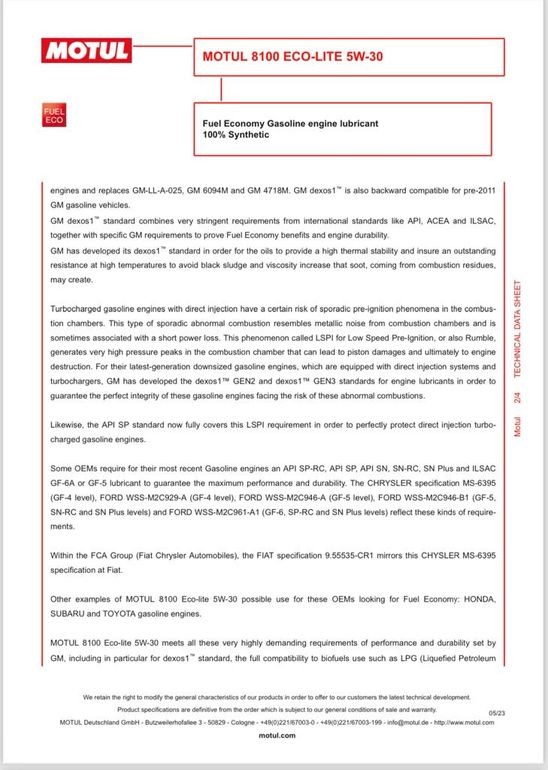
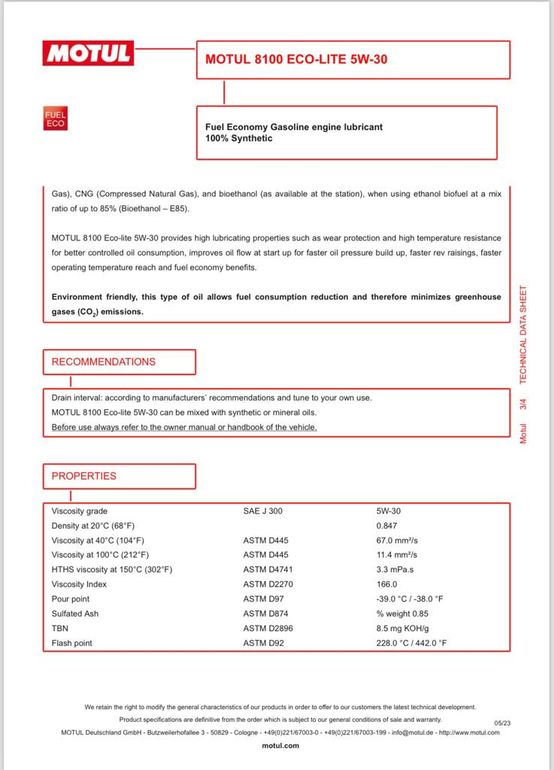
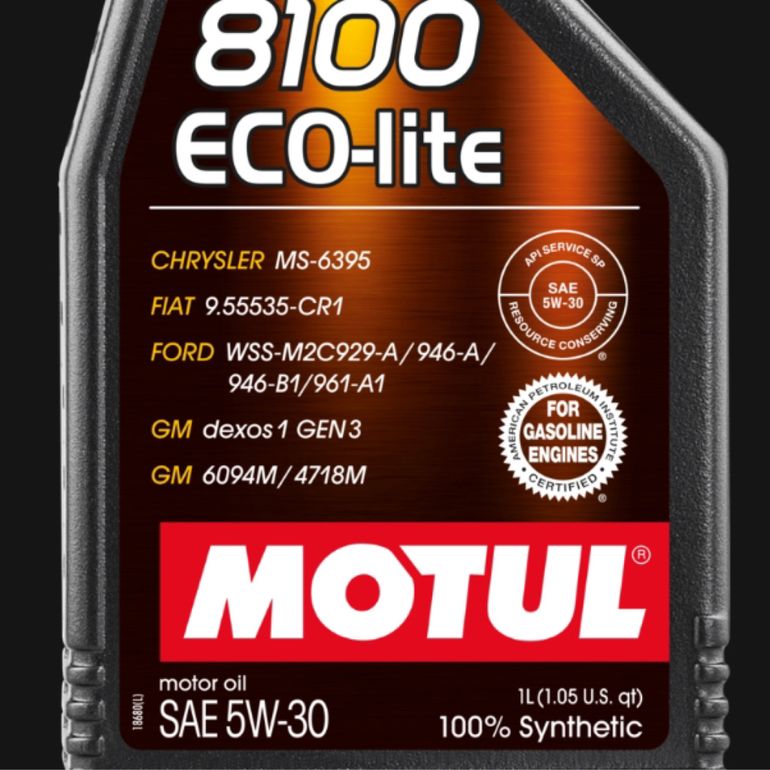
- Motul 8100 Eco-lite 5W-30 fully synthetic
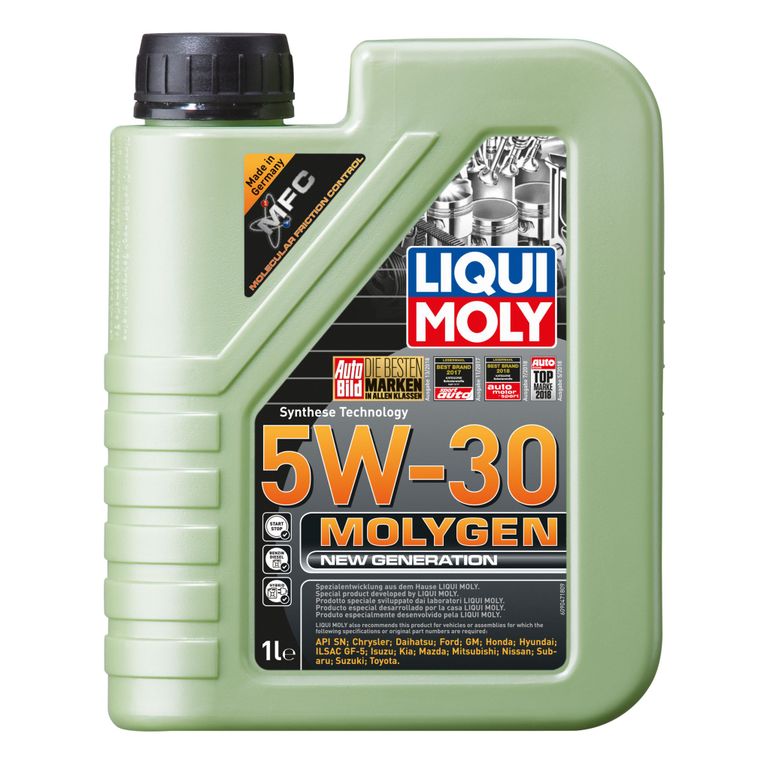
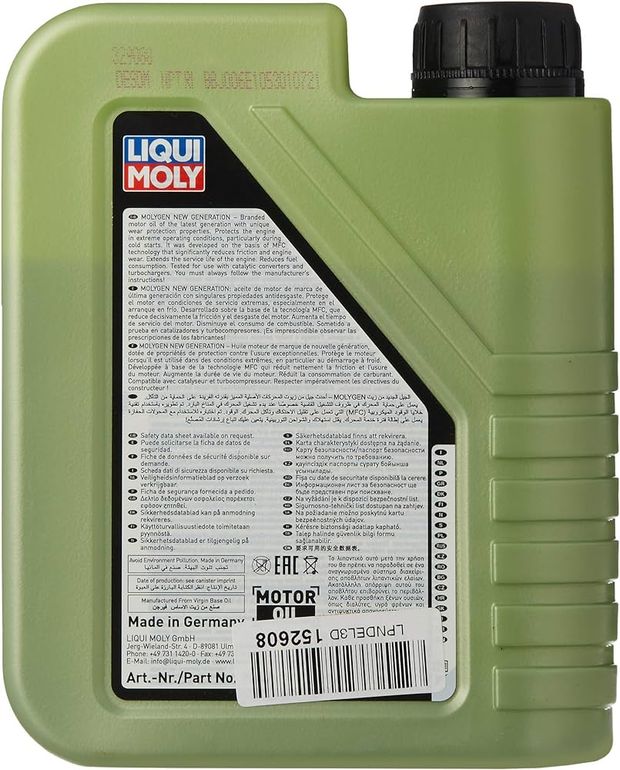
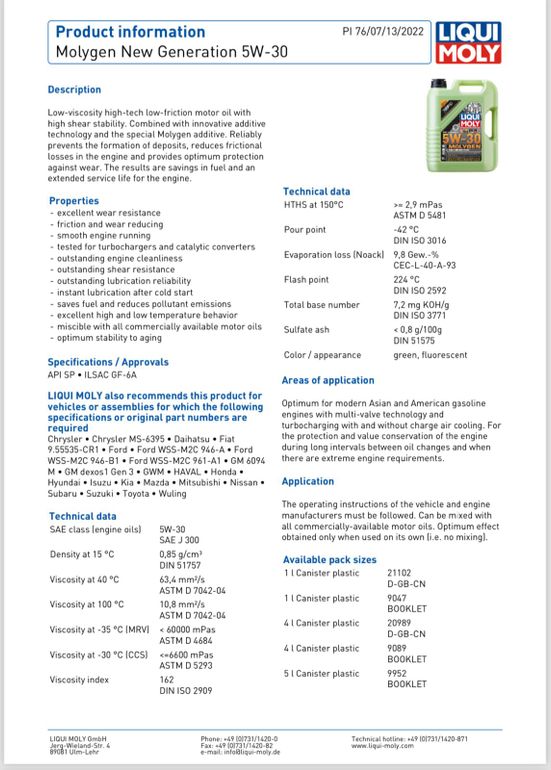
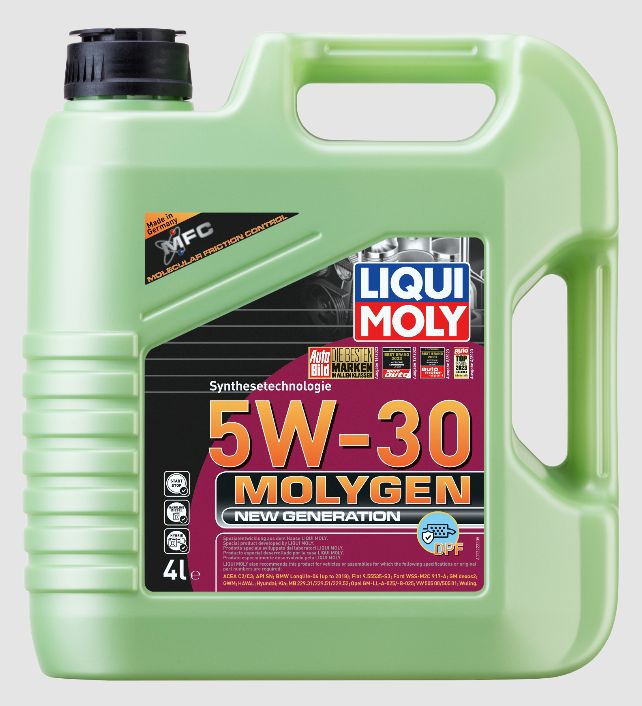
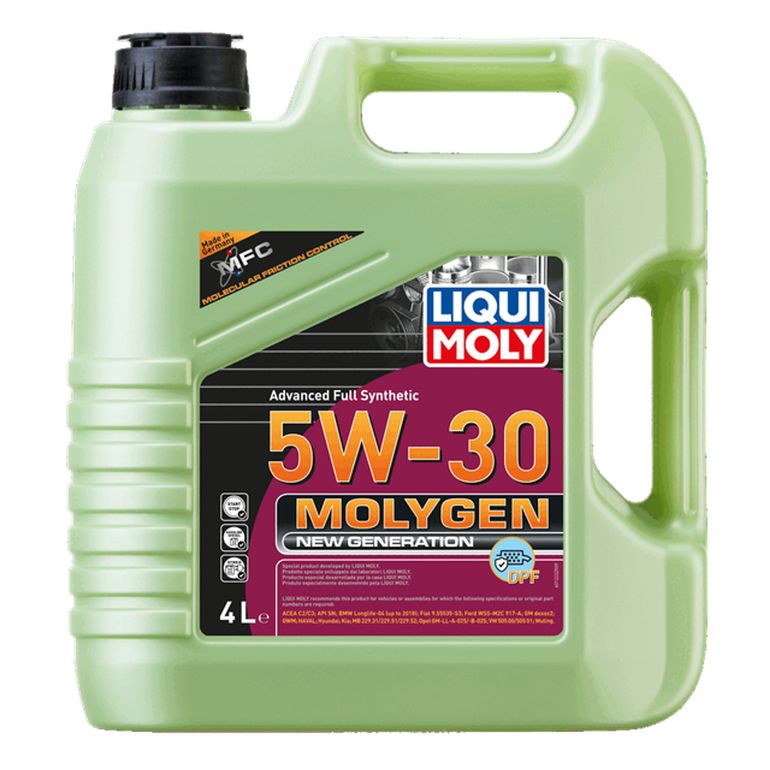
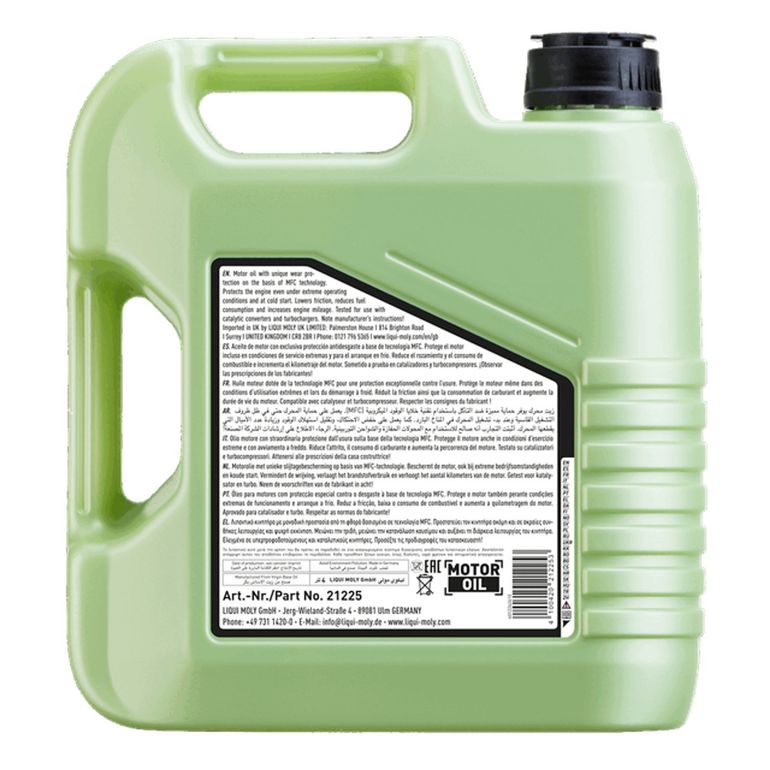
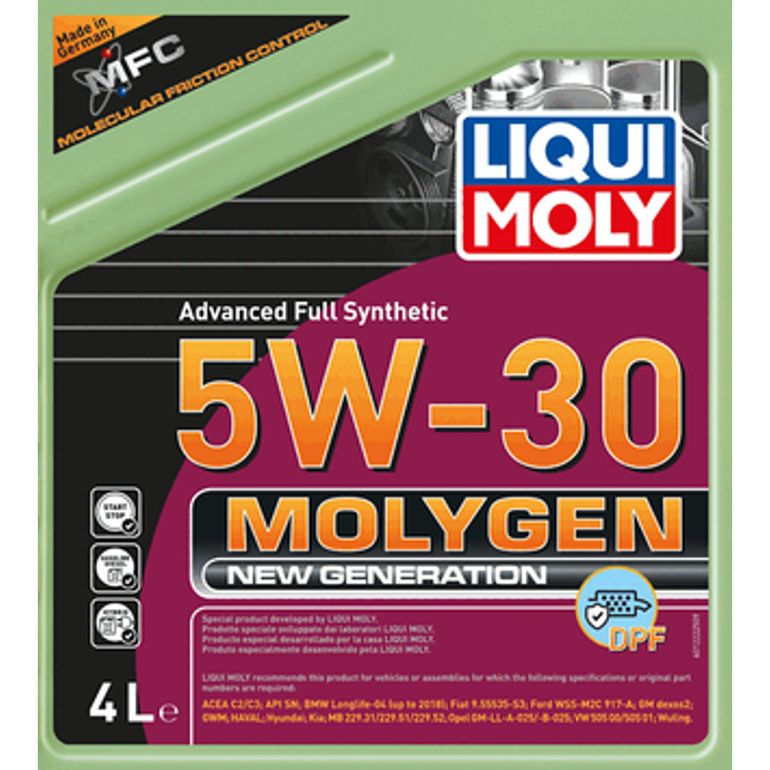
- Liqui Moly Molygen New Generation 5W-30 – 4 L
- Liqui Moly Molygen 5W-30 DPF (C2/C3) for engines with a particulate filter
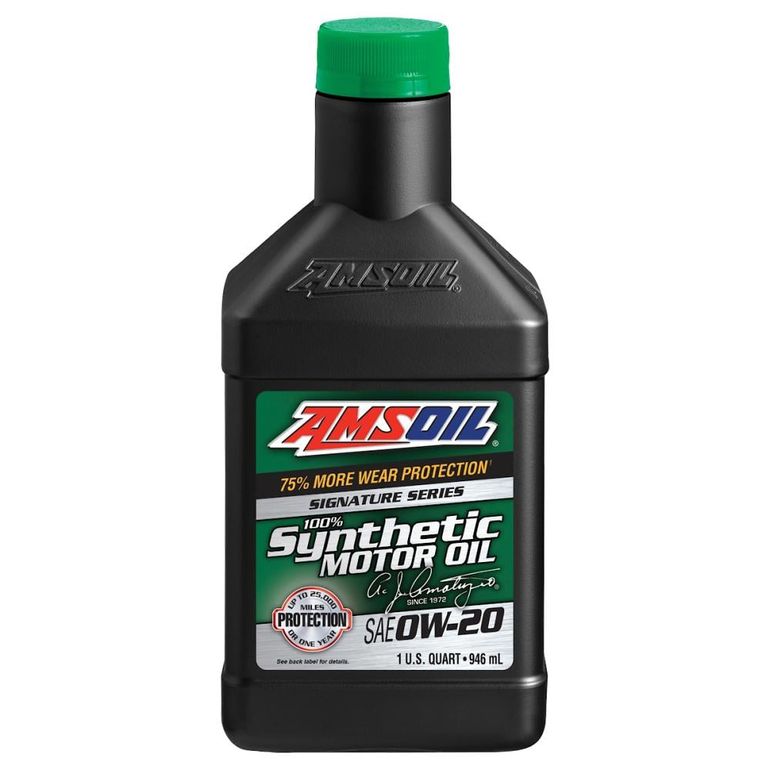
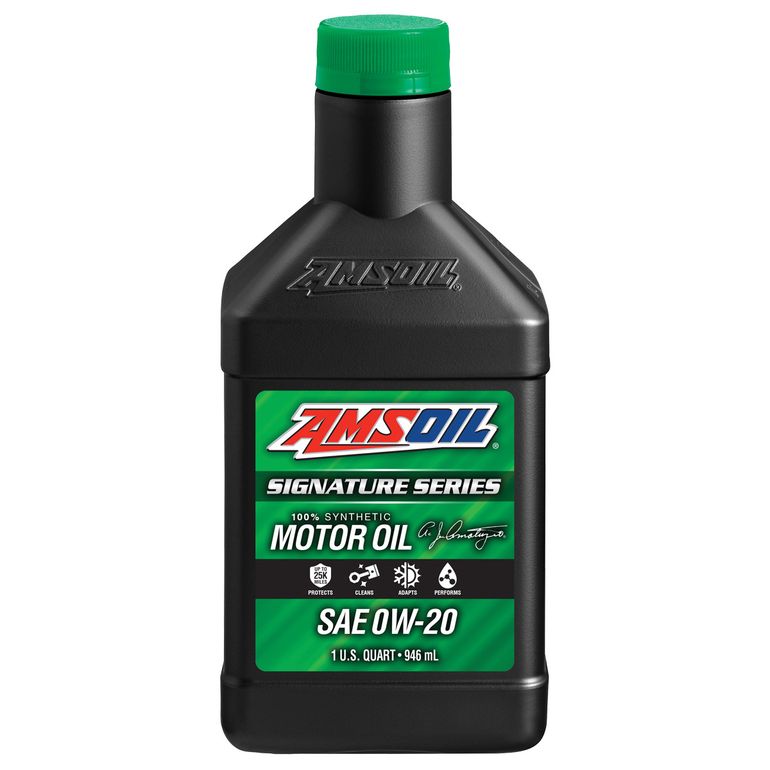
- AMSOIL Signature Series 0W-20 synthetic
- Liqui Moly Molygen 10W-30 – 4 L
- Browse the categories: engine oils and oil filters (don't forget to change the filter with every oil change)
FAQ
Is the more expensive oil always better?
No. What matters most is that it matches the required viscosity and specification. An expensive oil with the wrong viscosity is worse than a mid-priced oil with the right one.
Should I use a thicker oil in summer?
Don't change viscosity because of the heat unless your owner's manual says so. Modern synthetic oils handle Saudi heat at their original viscosity.
Should I switch from mineral to synthetic in an older car?
Yes, in most cases you can, and it helps in the heat. If the engine is leaking oil, fix the leak first.
How many liters of oil does my car need?
It depends on the engine (usually 4 to 6 liters for small and mid-size cars). The exact figure is in the manual under "engine oil capacity with filter".
📲 Know someone who can't decide which oil to buy? Send them this guide.
🔧 CarBoost at your service: Shop your genuine oil from the engine oils category with delivery across the Kingdom, or book an oil change at the CarBoost service center.