Free shipping for orders over 499 riyal



Quick answer: Because the manufacturer designed the engine, its internal clearances, lubrication system, turbo and exhaust filters around an oil with a specific viscosity and approval, and tested it for thousands of hours. Following the viscosity (such as 0W-20 or 5W-30) and the approval written in the owner's manual (such as API SP, dexos1 or ACEA C3) protects the engine from wear, deposits and LSPI, keeps fuel consumption where it should be, and protects your warranty rights.
If the engine is your car's heart, oil is the blood that keeps it running efficiently. An oil change is one of the simplest maintenance jobs, but choosing the wrong type can turn into a costly repair. Today, choosing oil no longer depends on gut feeling or a friend's advice, but on what the manufacturer writes in the owner's manual.
Viscosity grades: why does the manufacturer specify a particular number?
When the manual lists a code such as 5W-30 or 0W-20, that choice is based on the engine's design: bearing clearances, oil pump pressure, the variable valve timing (VVT) system and operating temperature.
- The number before the W: shows how easily the oil flows at a cold start. The lower the number, the faster oil reaches the upper parts in the first seconds, which is when most wear happens, even in Saudi weather.
- The number after the dash: shows the oil's viscosity at normal operating temperature (around 100 °C).
For a full explanation of these numbers, see what 5W30, 5W40, 10W40 and 20W50 mean.
Common myth: "Thicker oil is always better in summer."
The truth: modern engines are built with tight clearances and need thin oils such as 0W-20 or 0W-16. Oil thicker than required flows more slowly at start-up, can confuse the VVT system and raise fuel consumption, without adding real protection. Summer heat is already accounted for in the manufacturer's choice.
The same mistake is common with high-mileage cars; read should you increase oil viscosity after 100,000 km? before changing viscosity.
Approvals and standards: sometimes more important than viscosity
The manufacturer's recommendation doesn't stop at viscosity; it also covers the oil's quality level and chemical formulation through:
- API: such as SN, SP and the newest SQ for petrol engines.
- ACEA: such as A3/B4 for European engines without exhaust filters, and C3 for engines with them.
- Manufacturer (OEM) approvals: such as dexos1 for General Motors, MB 229.5 or 229.51 for Mercedes, and VW 504.00 for Volkswagen.
These approvals ensure the right detergents and additives in the right amounts: enough to prevent deposits and wear, without excess ash that clogs DPF/GPF filters and the catalytic converter. For a detailed explanation of each code, see the engine oil approvals guide: API, ACEA and OEM.
Following the recommendation vs ignoring it
Aspect | Following the manufacturer's recommendation | Random oil that doesn't match |
Engine life | Protection designed for the engine's clearances and loads | Faster wear, especially at cold start |
Fuel consumption | The consumption the engine was designed for | More internal friction and higher consumption |
Turbo | Proper lubrication and cooling with fewer deposits | Heat deposits (coking) that shorten turbo life |
Catalytic converter and DPF/GPF | Ash within permitted limits | Early clogging with high-ash oils |
Timing chain and VVT | Proper oil pressure and protection | Chain stretch or VVT faults over time |
Warranty | Your rights are protected with service receipts | A claim may be rejected if damage is shown to come from non-compliant oil |
Low-speed pre-ignition (LSPI) in turbo engines
In turbocharged direct-injection (TGDI) engines, the mixture can ignite too early at low revs and high load, a phenomenon called LSPI. In severe cases it can break piston rings or pistons. Oil plays an important role in it, which is why API SP, dexos1 Gen 3 and ACEA C6 include dedicated tests to prevent it. Details are in how to protect your turbo and avoid LSPI.
When is it OK to deviate slightly from the recommendation?
- Choosing a newer category: SP instead of SN is allowed and better, as long as the viscosity is the same.
- An alternative viscosity listed in the manual: some manuals list an alternative such as 5W-30 instead of 0W-20 depending on climate or severe driving conditions, and that is acceptable because it comes from the manufacturer itself.
- Otherwise: don't change viscosity or switch from a C-class oil to a high-ash oil without technical advice.
Summary: the manual is in your glovebox
- Open the owner's manual and find the oil table (viscosity, approval and capacity).
- Choose an oil carrying the same approval or a newer one, not just the viscosity.
- Buy from a trusted source and keep your receipts as proof of maintenance for the warranty.
- Stick to the right change interval for your driving conditions and the climate.
Recommended products from CarBoost
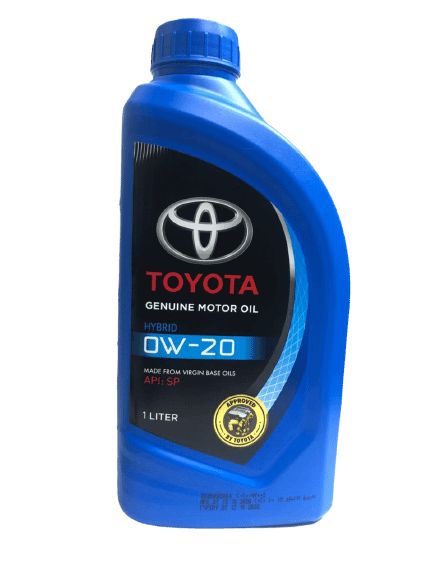
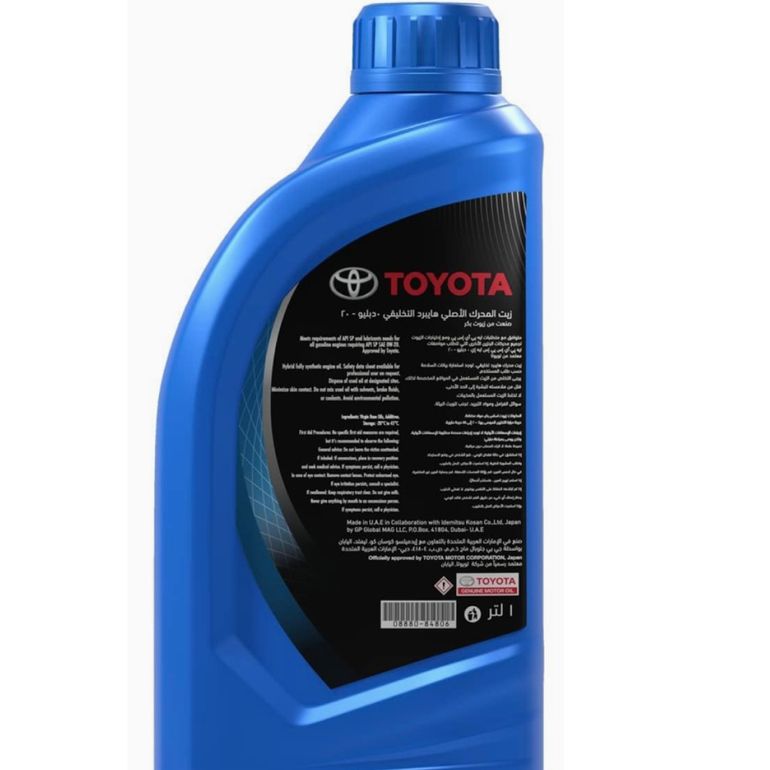
- Toyota genuine Hybrid 0W-20 API SP engine oil
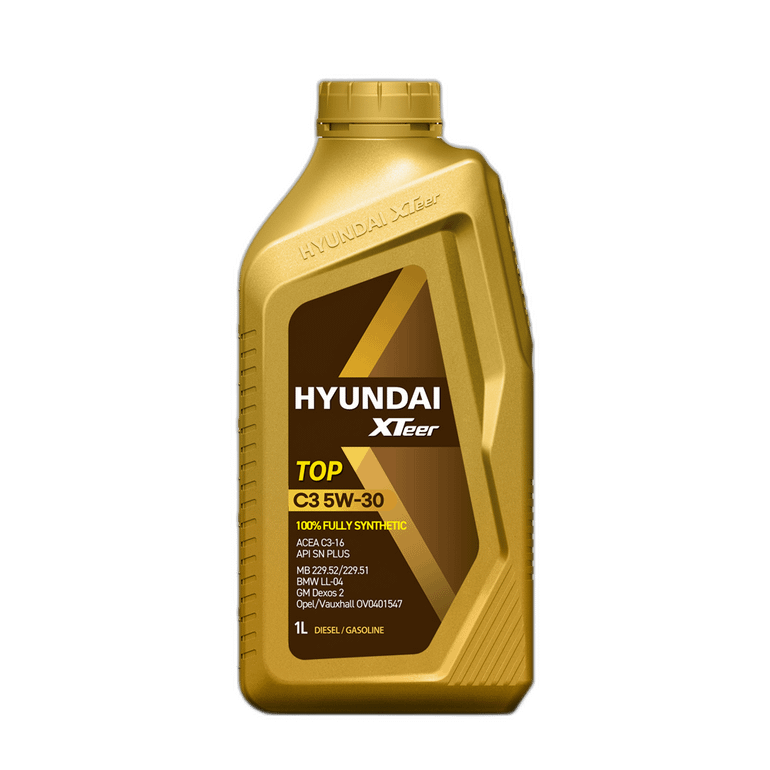
- Hyundai XTeer TOP 5W-30 full synthetic
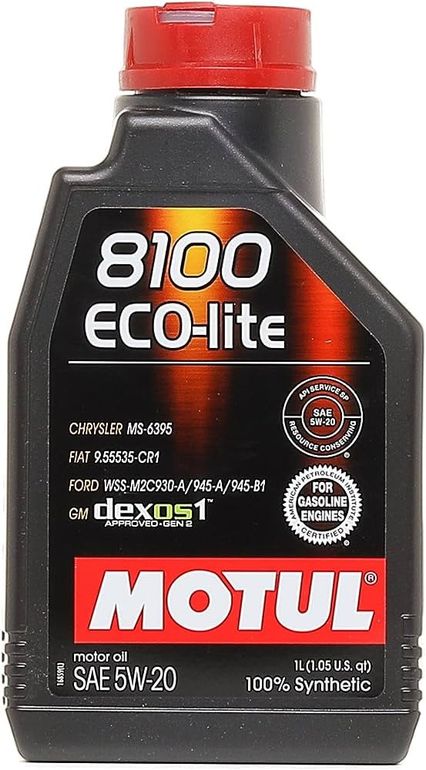
- Motul 8100 ECO-lite 5W-20 DX1
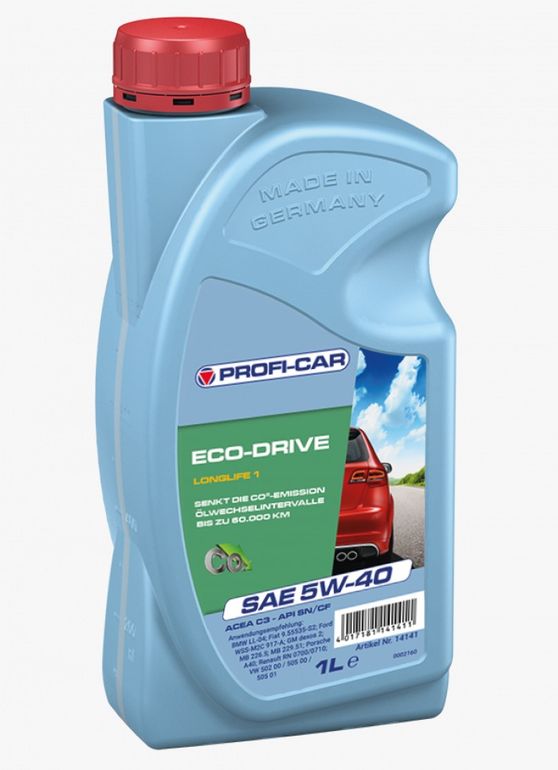
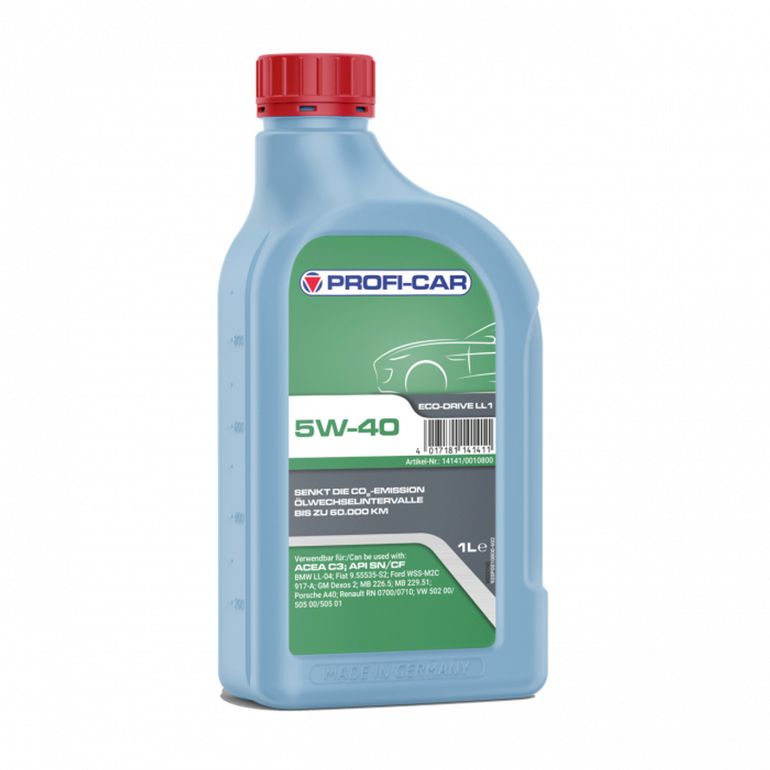
- PROFI-CAR 5W-40 C3 Eco Drive
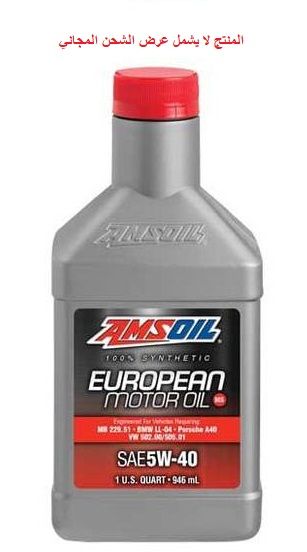
- AMSOIL European Motor Oil 5W-40
- Browse the genuine dealer oils and engine oils categories
FAQ
Does using non-dealer oil void the warranty?
No, as long as the oil matches the viscosity and approval listed in the manual and you have receipts showing it was changed on time. Problems arise when the oil doesn't meet the specification.
Can I use 5W-30 instead of 0W-20?
Only if your manual allows it as an alternative. Otherwise stick with 0W-20, because the engine was designed for it, and the difference in protection won't favour the thicker oil.
Where can I find the oil specification for my car?
In the owner's manual under maintenance or "Engine Oil", and sometimes on the oil filler cap. If you don't have the manual, the CarBoost team can help using your VIN.
📲 Share this article with anyone who changes their oil "by experience"!
🔧 CarBoost at your service: Shop manufacturer-approved engine oils at the CarBoost store, or book an oil change at the CarBoost center.