Free shipping for orders over 499 riyal


Quick answer: Periodic maintenance saves money because you replace relatively cheap consumables (oil, filters, fluids, brake pads) on time, protecting expensive parts like the engine, transmission and brakes from damage. The result: fewer sudden breakdowns, better safety, better fuel economy, and a higher resale price backed by a documented service history. In Saudi Arabia's hot, dusty climate, many cars fall under "severe driving conditions", so follow the schedule your owner's manual gives for that.
Many of us treat our cars with an "if it runs, leave it" attitude. We only visit the workshop when we hear a noise, a dashboard light comes on, or the car stops on the road. This approach seems to save money in the short term, but it is often the fastest route to costly repairs and a quick drop in the car's value.
What is preventive maintenance?
The idea is simple: replace consumables and inspect parts before they wear out and damage other components. Oils, filters, fluids and brake pads are designed to wear and be replaced after a set distance or time, and their job is to protect the expensive main components.
For example, delaying an engine oil change doesn't save the cost of the oil; it exposes the engine to faster wear, higher temperatures and deposits that can end in a costly rebuild. To find the right interval for your oil, see our table of how many kilometers engine oil lasts in Saudi Arabia.
Five real benefits of periodic maintenance
1) Avoiding big repair bills
A clear example: replacing the timing belt on schedule costs little compared with repairing the engine if the belt snaps in an "interference" engine, where the pistons hit the valves. (Note: many modern cars use a timing chain that doesn't need periodic replacement, so check which type your car has.)
2) Road safety
- Checking brake pads and rotors ensures a safe stopping distance.
- Changing brake fluid on time prevents its boiling point from dropping as it absorbs moisture, as explained in our article on why brake fluid should be changed.
- Checking tires and tire pressure reduces the risk of a blowout on hot summer highways.
- Checking shock absorbers and suspension keeps the car stable.
3) Better fuel economy
A clean air filter, healthy spark plugs, correctly inflated tires and oil of the right viscosity all help the engine run efficiently. The difference varies from car to car, but a neglected car usually burns more fuel and loses torque.
4) Longer life and smoother performance
Clean oils and fluids protect the engine and transmission from friction and deposits, so the car stays smooth for more years.
5) Higher resale value
A regular, documented service history gives buyers confidence and often helps you sell faster and for a better price.
Comparison: preventive maintenance vs. fixing it when it breaks
Aspect | Periodic (preventive) maintenance | Repair when it breaks |
Cost | Small, spread-out, predictable amounts | Large, sudden bills |
Safety | More confidence in brakes and tires | Risk of breaking down at a critical moment |
Engine and transmission life | Longest possible life | Early wear and repeated faults |
Fuel consumption | Normal and stable | Usually higher, with weaker torque |
Downtime | A few hours, booked in advance | Days waiting for parts and repairs |
A guide to the key service milestones
Exact intervals depend on the owner's manual, the type of oil and parts, and how you drive. This table is approximate for modern passenger cars in Saudi conditions:
Item | Approximate interval | Note |
Engine oil and filter | Every 5,000 to 10,000 km | Depends on oil type and manufacturer recommendation |
Fluid levels and tires check | Every two to four weeks | Oil, coolant, brake fluid, washer fluid, tire pressure |
Engine air filter and cabin filter | Every 10,000 to 20,000 km | Sooner with dust and sandstorms |
Tire rotation | About every 10,000 km | With alignment and balancing checks when needed |
Brake fluid | About every two years | Depends more on time than distance |
Automatic transmission fluid | Every 40,000 to 80,000 km | Even if labeled "lifetime", changing it is advisable under severe use |
Spark plugs | 30,000 to 100,000 km | Depends on type: standard, platinum or iridium |
Coolant | Per its type and the manual | Some long-life types last very long distances |
Timing belt and accessory belts | Per the manual | Inspect accessory belts regularly because of the heat |
Battery | Check every 6 months | Heat shortens its life; it usually lasts 2 to 3 years |
To find the right coolant for your car, read our coolant guide by car, and for transmission fluid see our guide to transmission fluid types and when to change them.
CarBoost tip: high heat, dust, stop-and-go traffic and short trips all count as "severe driving conditions" in most owner's manuals. If that describes your driving, follow the severe-use schedule in your manual, which is usually shorter than the normal one.
How the CarBoost center makes periodic maintenance easier
- Multi-point inspection: with every service we check for leaks and inspect hoses, brakes and tires, not just the part you came in for.
- Oils and fluids that match the manual: we use the viscosity and approvals your car requires.
- Modern diagnostic tools: to read fault codes and reset the service indicator.
- Service records: we document your car's maintenance so you can easily see when the next service is due.
Recommended products from CarBoost
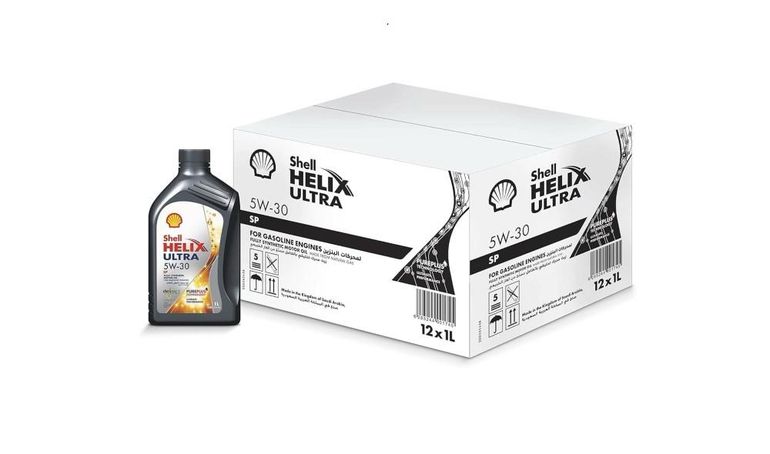
- Shell Helix 5W-30 SP Fully Synthetic Carton (12L)
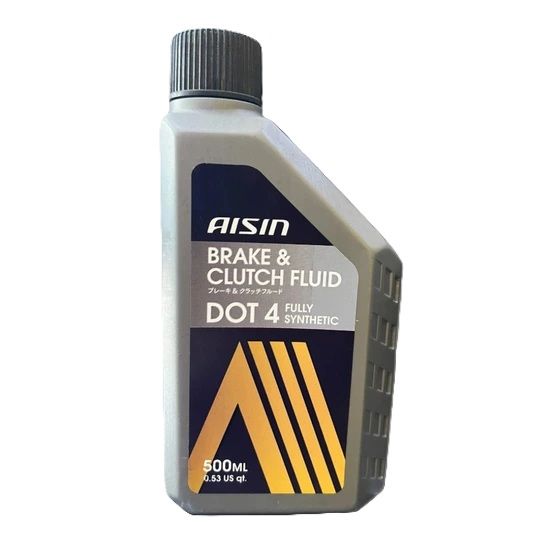
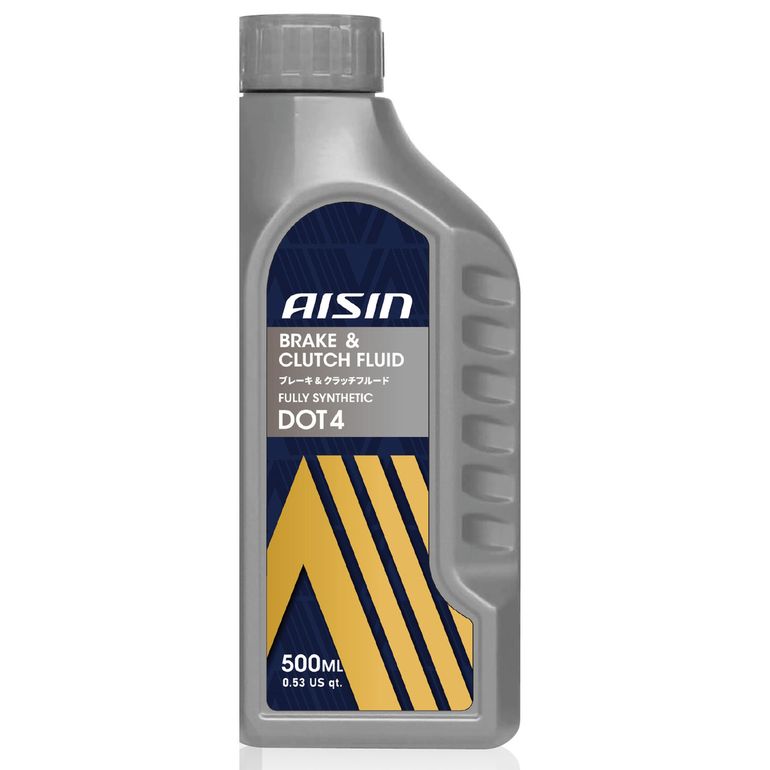
- AISIN DOT 4 Brake Fluid
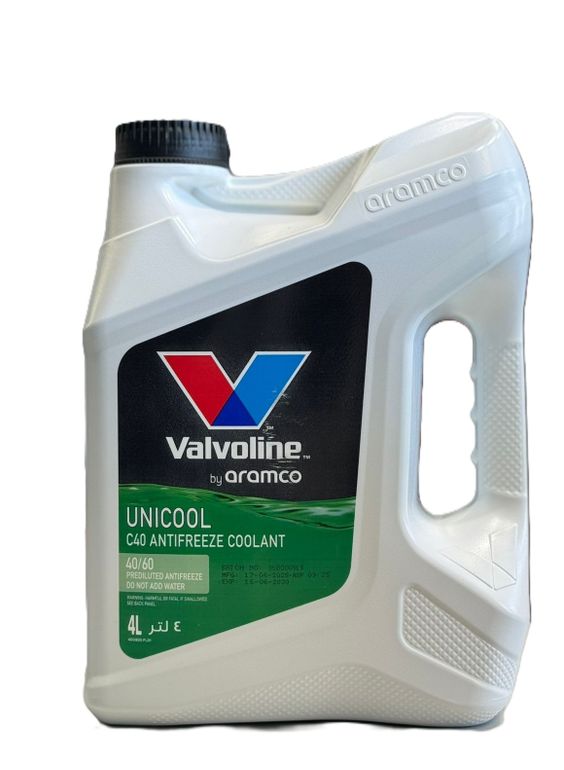
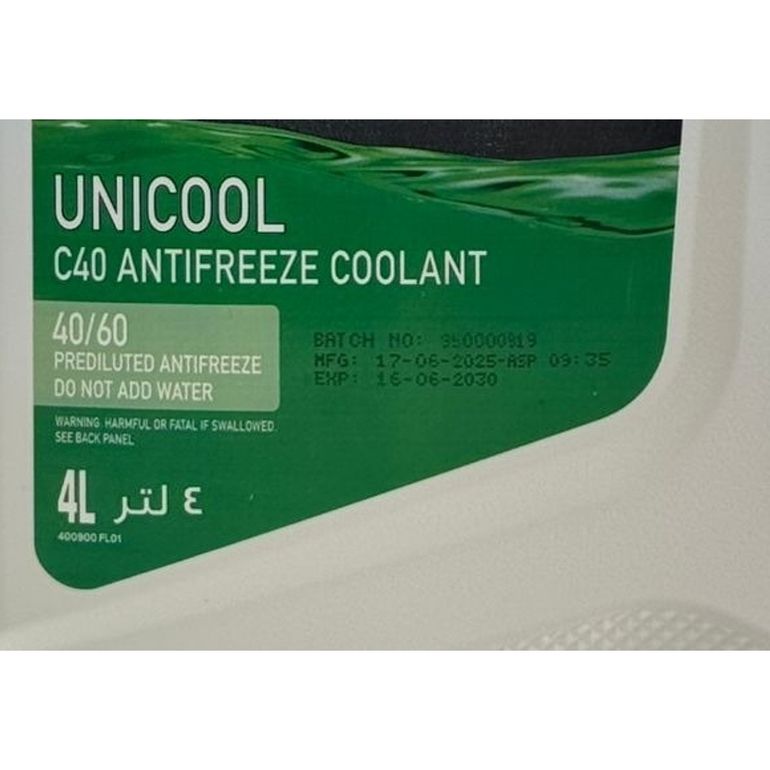
- Valvoline Unicool C40 Coolant 4L
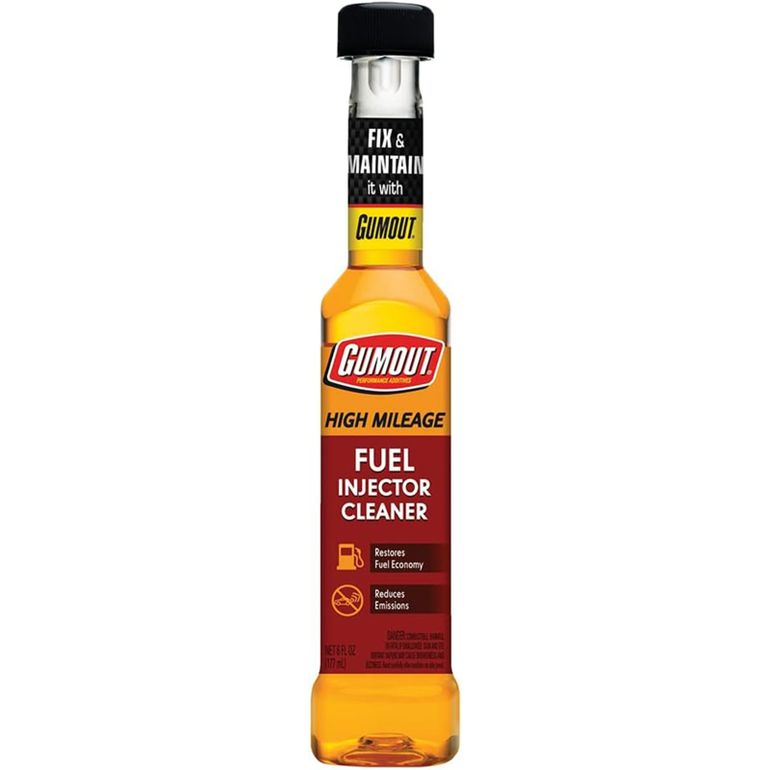
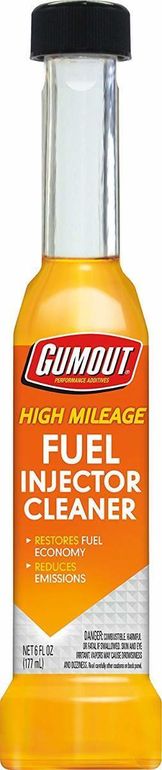
- Gumout High Mileage Fuel Injector Cleaner
- Filters
- Car care (service center)
FAQ
How often should I service my car?
At minimum with every oil change (usually every 5,000 to 10,000 km) along with a general check, and a more thorough inspection about once a year or per your manual's schedule.
Does servicing outside the dealership void the warranty?
It depends on your warranty terms. Generally, what matters most is using parts and oils that meet the specifications and keeping invoices and a service record, but check the warranty terms or with the dealer to be sure.
My car is new. Does it need early maintenance?
Follow the manual's schedule from the start, and consider the severe-use schedule if you drive in heat, dust and traffic. Regular fluid and tire checks matter from day one.
📲 Share this article with anyone who says "if it runs, leave it"!
🔧 CarBoost is here for you: Shop genuine oils, filters and fluids in our engine oils section, or book a periodic service at the CarBoost center.