Free shipping for orders over 499 riyal

Quick answer: Use Tiptronic (manual mode + / −) in four main situations: on long descents to use engine braking and keep the brakes from overheating, when climbing steep grades or towing to hold a gear and stop constant shifting, before overtaking to have the right gear ready in advance, and on sand or slippery roads to control torque. For normal everyday driving, D is the right choice, and using manual mode correctly does not harm the transmission because the transmission computer rejects dangerous commands.
Most drivers notice a + / − symbol next to the gear lever or paddles behind the steering wheel (paddle shifters), yet many never use them or assume they are only for show. In fact, manual mode in an automatic transmission is an important control and safety tool, especially on Saudi mountain roads such as the Al-Hada pass and the roads to Abha and Al-Baha, and when driving on sand.
What is Tiptronic?
Tiptronic is a technology that lets the driver select gears manually in an automatic transmission (conventional, CVT or dual-clutch) without a clutch pedal, while the transmission computer remains responsible for protection. Porsche introduced the "Tiptronic" name in the early 1990s, and the idea then spread to every manufacturer under different names. In CVTs, the manual "gears" are virtual, programmed as fixed ratios.
Manufacturer | Common name for manual mode |
Porsche / Audi / Volkswagen | Tiptronic (and S tronic and DSG dual-clutch units with manual mode) |
BMW | Steptronic |
Mercedes-Benz | Touch Shift / M mode |
Toyota / Lexus | Sequential Shift (S or M mode) |
Hyundai / Kia | Shiftronic / Sportmatic |
Ford / Lincoln | SelectShift |
Chevrolet / GMC | Tap Shift / Driver Shift Control |
Honda / Acura | Sequential SportShift |
Nissan / Infiniti | Manual Mode |
When should you use Tiptronic?
1) Descending hills and mountains (engine braking)
This is the most important case of all:
- The problem: on a long descent in D, gravity increases your speed, so you keep pressing the brakes. Pad and rotor temperatures climb and friction weakens (brake fade), and the brake fluid may boil, especially if it is old and has absorbed moisture, making the pedal spongy and losing much of your stopping power.
- The solution: switch to manual mode and drop to second or third gear, depending on the steepness, before the descent begins. The engine will get louder, which is normal, and engine braking will hold your speed so you only brake intermittently instead of constantly.
This is why changing brake fluid on schedule matters for anyone who travels to mountain areas, as we explained in why brake fluid must be changed regularly.
2) Climbing grades and towing trailers
- When climbing a steep grade or towing in D, the transmission may keep switching between two gears (gear hunting), raising transmission fluid temperature and accelerating clutch wear.
- The right move: hold second or third gear manually so the engine stays in a stable torque band.
3) Overtaking quickly on highways
- When you press the accelerator hard in D, the transmission needs a moment to understand the request and downshift (kickdown).
- The right move: downshift one or two gears manually before you start overtaking, so the car is ready to accelerate immediately. Always make sure the road is safe and overtaking is permitted.
4) Sand (dune driving) and slippery roads
- On sand: a sudden upshift while climbing through sand kills momentum and gets you stuck. Holding first or second gear keeps torque and momentum up.
- In rain or on slippery roads: pulling away in second gear (if the car allows it) reduces sudden torque at the tyres and limits wheelspin.
Quick table: D or manual mode?
Situation | Right mode | Suggested gear (approx.) |
Everyday city driving | D | Automatic |
Long mountain descent | Manual | 2 or 3 depending on gradient |
Climbing a grade or towing | Manual | 2 or 3 |
Overtaking on a highway | Manual, temporarily | One or two gears lower |
Soft sand | Manual | 1 or 2 |
Slippery road or rain | Manual when pulling away | 2 |
Does Tiptronic harm the transmission or engine?
The technical fact: in modern cars, the transmission control unit (TCU) rejects commands that could damage the engine or transmission, so using manual mode correctly does not cause damage.
- Over-rev protection: if you are doing 120 km/h and select first gear by mistake, the computer refuses the command.
- Stall protection: if you slow down while in a high gear, the computer downshifts automatically.
- At the redline: most cars upshift automatically or cut fuel when the rev limit is reached.
What matters is that the transmission fluid is in good condition, since climbing and towing raise its temperature. For more, read machine vs. traditional transmission fluid change.
Common mistakes when using manual mode
- Driving for long periods at very high revs: even with protection in place, constant high RPM raises temperature and fuel consumption.
- Forgetting to return to D: the car stays in a low gear with higher consumption and more noise.
- Relying on engine braking in emergencies: engine braking is only for gradual slowing; a sudden stop requires pressing the brakes hard.
- Aggressive downshifts on sand or slippery roads: a sudden downshift can make the rear tyres slip on rear-wheel-drive cars, so downshift gradually.
Remember that stability on descents and in corners also depends on the condition of your brakes and shock absorbers, as we explained in how worn shock absorbers affect braking distance and stability.
Recommended products from CarBoost
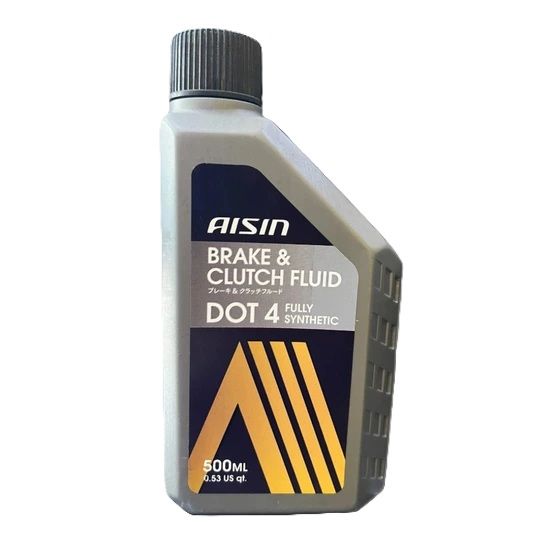
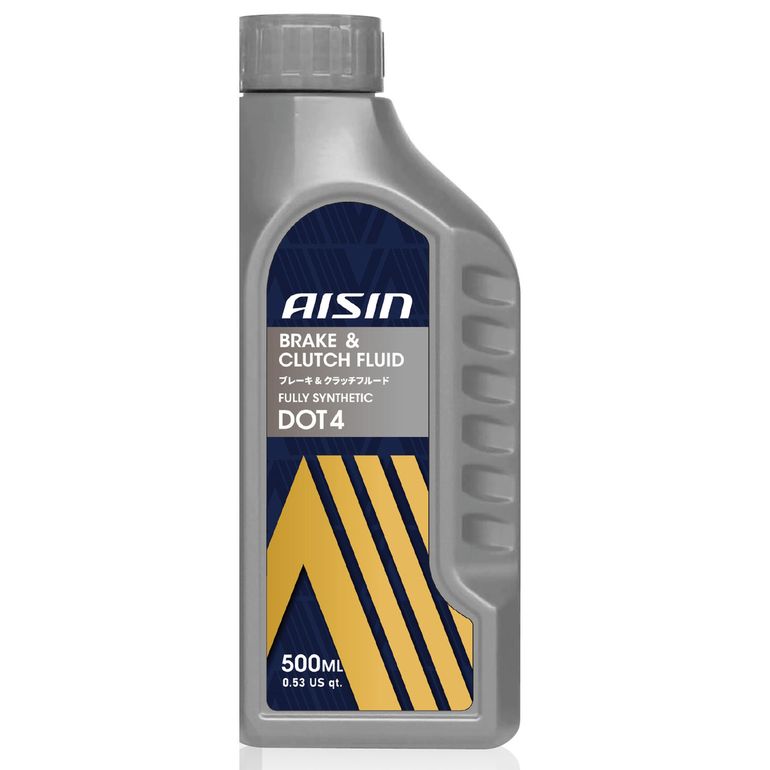
- AISIN Fully Synthetic DOT 4 Brake Fluid 500 ml
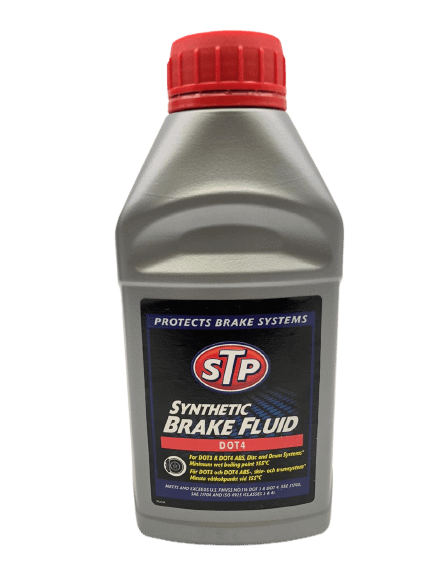
- STP Synthetic DOT 4 Brake Fluid 500 ml
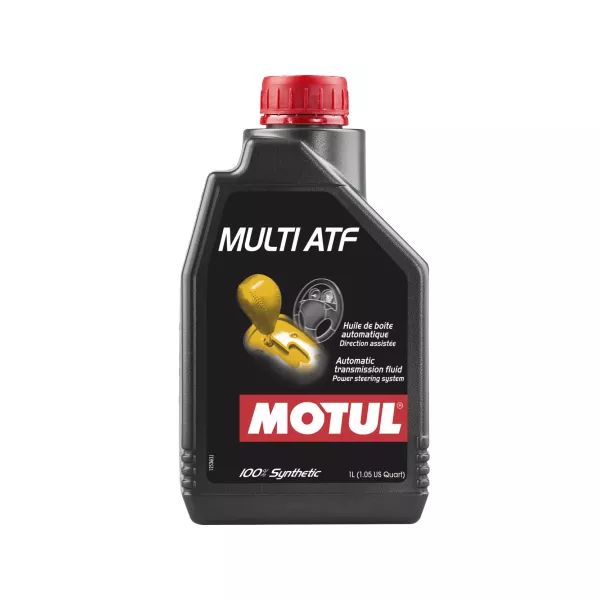
- Motul Multi ATF Fully Synthetic 1L
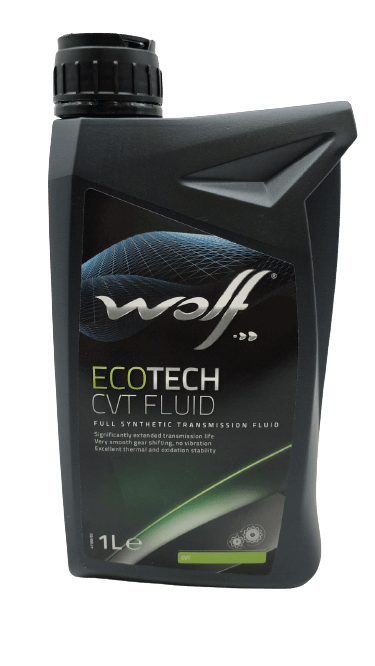
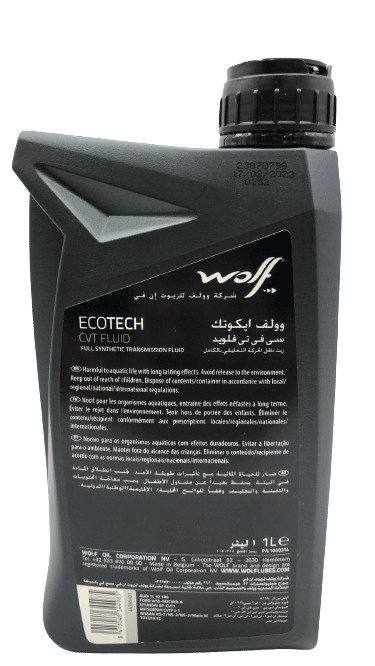
- Wolf Full Synthetic CVT Fluid 1L
- DOT 4 brake fluids
- Automatic transmission fluids
FAQ
Does using manual mode increase fuel consumption?
Yes, if you stay at high revs for a long time. But when engine braking on a descent, most modern cars cut fuel to the injectors, so consumption does not rise.
Can I switch from D to manual mode while driving?
Yes. Manual mode is designed to be engaged on the move, and you can return to D at any time without stopping the car.
Which gear should I use on the Al-Hada pass or a mountain descent?
A practical rule: descend in the same gear you would need to climb that slope, usually second or third in small and mid-size cars, while braking intermittently.
📲 Share this article with anyone heading south or going dune driving!
🔧 CarBoost is here for you: shop transmission fluids and brake fluids in our transmission oil section, or book a transmission and brake check before your trip at the CarBoost service center.